

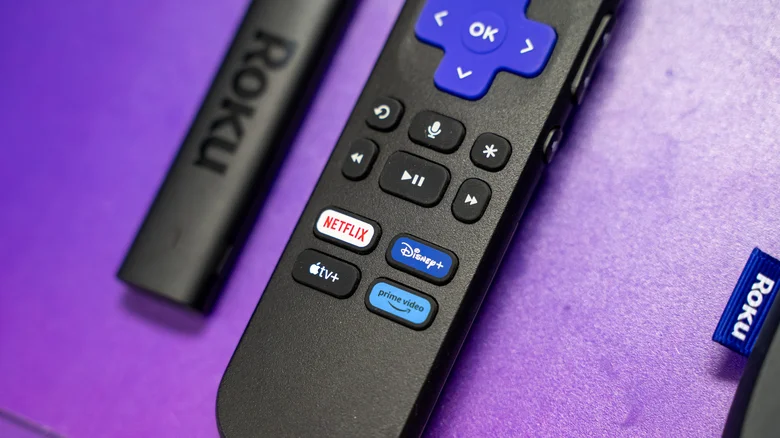
Among the many streaming brands competing for space in the digital living room, Roku is one that sparks both loyalty and frustration. It comfortably occupies the middle ground — not bad enough to abandon, but not outstanding enough to universally love. Roku devices do exactly what they promise: they stream movies and shows across the most popular apps. Yet, that simple competence isn’t unique. Amazon’s Fire TV Stick and Google TV deliver the same experience with comparable speed, app support, and interface design. So why does Roku seem to draw mixed opinions, sometimes even disdain, from long-time users?
The biggest criticism often revolves around Roku’s hardware and business model. While the devices themselves are functional, the remotes tend to disappoint users with inconsistent build quality, clunky button design, and unpredictable battery life. Some users claim their Roku remote drains batteries far faster than expected, while others find the interface awkward compared to sleeker competitors. Yet, it’s not just the remotes that irritate users — it’s what the software and business practices behind Roku represent. Unlike older, no-strings-attached set-top boxes, today’s Roku environment feels more commercialized and data-driven than ever.
Advertising Takes Over the Experience
One of Roku’s most notable weaknesses, according to users, lies in how aggressively the platform pushes advertising. The Roku Channel is the company’s main content hub — an otherwise welcome addition that gives access to hundreds of free movies and shows. However, viewers quickly realize those “free” benefits come at the cost of frequent and repetitive ads. These ads aren’t just limited to shows either; they invade the user interface itself, popping up on the home screen and even within menus. In effect, your TV’s main dashboard — once an ad-free hub of convenience — becomes another billboard for sponsors and streaming networks.
Even more controversially, Roku has started testing video ads that appear before the main menu loads, forcing users to sit through commercials before they can navigate their apps. This move has drawn considerable backlash across online forums and social media. Many customers described it as “the final straw,” frustrated that ads now block them from simply accessing their devices. Most viewers prefer fewer ads, not more, and they see these placements as an intrusion into an otherwise simple streaming experience. In this respect, Roku’s advertising practices seem to erode the goodwill it built as a budget-friendly, user-first platform during its early years.
Concerns Over Data and Privacy
Beyond advertising, what really divides opinion is Roku’s data collection. Modern smart TVs and streaming devices have turned passive viewing into a massive data product. Roku is no exception — it collects viewing data, app usage history, and even device location. These practices allow Roku to sell targeted ad space, creating a profitable cycle of user data monetization. While privacy settings exist to limit tracking — such as disabling “Automatic Content Recognition” — critics argue that users should not have to opt out to secure their privacy. Tracking and surveillance features should be disabled by default, not the other way around.
Privacy controversies have escalated further following lawsuits like the one recently filed by the state of Florida, which accuses Roku of violating children’s privacy laws by allegedly selling sensitive user data, including voice recordings and geolocation. For many privacy-conscious consumers, the idea that a home entertainment device may record or sell personal information feels like a betrayal of trust. In an age where connected devices blur the line between convenience and intrusion, Roku’s reputation for data collection represents a growing unease among tech users who crave control over their information.
The Wider Streaming Landscape
To be fair, Roku isn’t alone in these practices. Amazon’s Fire TV Stick also relies heavily on advertisements, prominently featuring sponsored content right on the home screen. In fact, Amazon’s ecosystem thrives on targeted marketing, subsidizing lower device prices through ad revenue. Similarly, Google TV tracks user behavior across devices, using that data to recommend content and sell personalized ads. Even smart TV manufacturers like Samsung and LG engage in similar monitoring to tailor user experiences — or, more cynically, to fuel their advertising networks. In short, the entire streaming industry depends on consumer data as a form of currency.
That broad reality means Roku cannot be singled out entirely, though it arguably leads the pack in normalizing the presence of intrusive advertising on consumer hardware. Ironically, many users still praise Roku for affordability, app variety, and platform stability, especially compared to Fire Sticks that frequently freeze or Google TVs with buggy third-party integrations. It’s a reminder that even with growing discontent, millions continue to use Roku devices daily without major issues.
Balancing Convenience, Cost, and Control
Ultimately, Roku embodies the modern streaming dilemma: it’s affordable, practical, and simple to set up, yet its ease of use masks a complex ecosystem built on advertising and analytics. Some users respond by tightening privacy settings, disabling tracking options, or sideloading private apps to avoid the ad-heavy interface altogether. Others accept the trade-off—seeing ads as the price for free or low-cost access to a massive entertainment library. In either case, Roku mirrors the current direction of consumer tech as a whole: increasingly connected, endlessly monetized, and gradually less private.
As the streaming market grows more crowded, companies like Roku walk a fine line between consumer satisfaction and profit-driven experimentation. The more invasive their advertising and data collection become, the more they risk alienating loyal customers who once viewed them as a refreshing alternative. For now, Roku remains a capable, budget-conscious entry point into streaming—but for privacy advocates and ad-averse viewers, it also serves as a cautionary tale of how convenience can come at a hidden cost.