
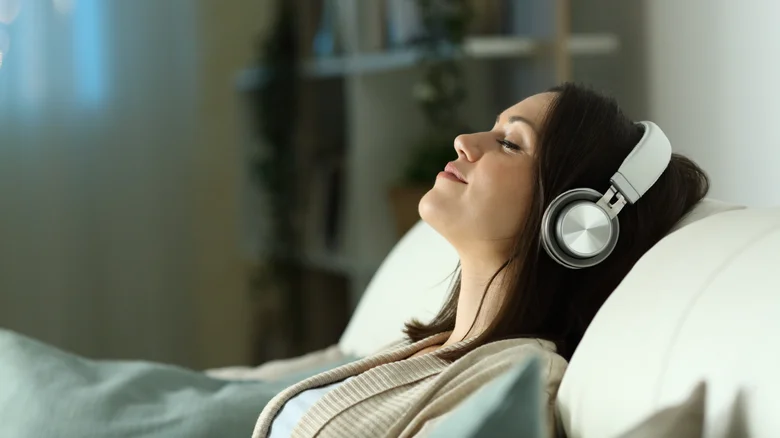
Many turn to headphones for bedtime audio to drown noise or relax into sleep, but prolonged overnight use poses serious health risks to ears, skin, and safety. Over-ear models compress tissue causing necrosis from restricted blood flow, while earbuds trap moisture breeding infections and compact earwax. High volumes accelerate hearing loss, and obstructed awareness misses critical alarms—wired cords add strangulation hazards.
External speakers deliver identical soothing benefits without physical contact dangers. Combined with proven sleep hygiene, these alternatives match headphone efficacy safer. Ditch in-ear pressure for ambient sound that promotes deeper rest.
Key Health Dangers of Overnight Headphone Use
Overnight wear compounds multiple threats:
– **Hearing Obstruction**: Blocks emergency sounds like smoke alarms or cries for help.
– **Volume-Induced Damage**: Prolonged exposure above 85dB erodes cochlear cells permanently.
– **Necrosis and Skin Issues**: Tight bands cut circulation, killing tissue and forming lesions.
– **Ear Infections**: Moisture trapped breeds bacteria, causing pus, pain, swelling.
– **Wax Impaction**: Blocks natural expulsion, requiring medical extraction.
– **Cord Strangulation**: Wired models tangle during sleep movements.
Studies link nightly use to tinnitus and noise-induced hearing loss within months.
Safer Audio Alternatives for Bedtime
Replace headphones with non-invasive sound sources:
External Bluetooth speakers on nightstands provide white noise, podcasts, or lullabies at safe volumes.
Pillow speakers vibrate sound through fabric without ear insertion.
Smart speakers with voice controls adjust playback hands-free.
All maintain ambient awareness while masking disturbances—position away from head minimizes even these low risks.
Steps to Implement Speaker-Based Sleep Audio
– Select compact Bluetooth speaker with 10+ hour battery for overnight use.
– Position 3-5 feet from head at 40-60dB volume (conversation level).
– Curate playlist of delta-wave music, nature sounds, or guided relaxations.
– Test emergency sound penetration before routine adoption.
– Pair with sleep timer to auto-shutoff after 1-2 hours.
Comprehensive Sleep Hygiene Beyond Audio
Layer sound strategies with foundational habits:
– **Environment Optimization**: Blackout curtains, 60-67°F temperature, breathable bedding.
– **Routine Discipline**: Consistent 10pm-6am schedule, no screens 1hr pre-bed.
– **Dietary Controls**: Zero caffeine post-2pm, light protein dinner 3hrs before sleep.
– **Pre-Bed Wind-Down**: 10min meditation, progressive muscle relaxation, or journaling.
– **Pet Management**: Crate rambunctious animals or use separate sleep spaces.
Avoid sleep anxiety—track patterns weekly, not nightly, to reduce pressure.
Headphones vs Speaker Sleep Audio Comparison
| Factor | Headphones/Earbuds | External Speakers |
|---|---|---|
| Safety | High risk (infection, necrosis) | Low risk |
| Emergency Awareness | Blocked | Maintained |
| Hearing Damage Potential | High | Low |
| Comfort Overnight | Pain/pressure | Non-contact |
| Setup Ease | Insertion required | Place and play |
Advanced Sleep Sound Optimization Tips
White/pink/brown noise apps mask tinnitus better than music for some.
Bone-conduction headbands transmit via skull vibration, bypassing ear canals.
Weighted blankets amplify relaxation 20% per studies when paired with audio.
Circadian lighting: dim red bulbs pre-bed enhance melatonin vs blue light. Track via apps like Sleep Cycle for personalized volume/timing.
Long-Term Ear Health Preservation
Annual audiograms detect early loss from past habits. Clean speakers weekly prevents dust allergens disrupting sleep. Hydrate ears with omega-3s reducing inflammation risks.
Transitioning eliminates reversible damage while sustaining audio benefits. Most report deeper sleep within one week—prioritize safety for sustainable rest.