

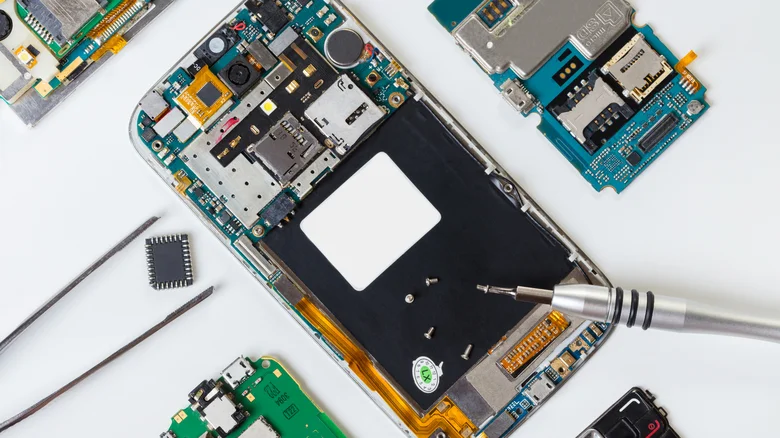
Consumer technology permeates daily life through smartphones, laptops, smart TVs, and gadgets, but frequent breakdowns force tough choices between costly repairs at authorized centers or expensive replacements. The Right to Repair movement challenges this binary, advocating consumer access to documentation, parts, and tools for independent fixes. Championed by sites like iFixit, this legislative push confronts manufacturers designing products for obsolescence rather than longevity, sparking debates over repair rights, environmental impact, and corporate control.
iFixit and the Right to Repair Revolution
As of early 2025, Right to Repair bills gained traction across all 50 U.S. states, with successes in California, New York, Minnesota, Oregon, and Colorado mandating public availability of repair manuals, schematics, and components. These laws empower independent shops and DIY enthusiasts, bypassing proprietary service monopolies that inflate costs through diagnostic restrictions and part scarcity.
iFixit spearheads the charge as the world’s largest free repair manual repository, hosting over 127,000 device-specific guides covering Android phones, iPhones, laptops, consoles, vehicles, appliances, and wearables. Community-driven teardowns, step-by-step visuals, and troubleshooting forums supported 100 million repairs, democratizing expertise once guarded by manufacturers. Their parts marketplace and mobile app enable on-the-go fixes, while partnerships with governments pressure compliance.
The movement exposes planned obsolescence—glued batteries, pentalobe screws, paired components failing simultaneously—forcing wasteful upgrades. Legislation compels OEMs to supply genuine parts within timelines, publish service manuals, and prohibit software locks blocking third-party repairs.
Manufacturer Resistance and Counterarguments
Tech giants fiercely oppose, citing intellectual property protection, cybersecurity risks from unvetted repairs, data privacy vulnerabilities, and safety hazards from unqualified technicians. Apple argues exposing firmware risks bricking devices or exposing encryption keys; John Deere warns farmer modifications could destabilize autonomous tractors. Insurers claim DIY fixes void warranties, spiking liability.
Revenue models underpin pushback: authorized service networks generate billions; replacement sales sustain growth. Repair restrictions extend product lifecycles strategically, timing failures with new launches. Critics label opposition anti-competitive gatekeeping prioritizing profits over sustainability.
Supporters counter that proprietary lockouts stifle innovation, inflate e-waste (60 million tons annually), and burden low-income users unable to afford $800 screen replacements. Independent repair shops thrive where mandated, cutting costs 40-60% versus OEM rates.
Global Momentum and Legislative Wins
Europe’s 2021 Right to Repair directive mandates spare parts availability for 10 years; New York’s 2022 law covers digital electronics comprehensively. Massachusetts pioneered auto repair data access in 2013 after dealership battles. Federal momentum builds via FTC investigations into repair restrictions.
Success stories abound: Colorado’s law unlocked John Deere tractor software; EU farmers fixed combines independently. iFixit’s self-repair programs for Fairphone, Framework laptops, and Pixel phones demonstrate feasibility, with return kits minimizing waste.
Challenges persist—software tethering, firmware signing, part authentication—but victories mount. Apple’s 2022 self-service program, though limited, signals concession.
Environmental and Economic Impacts
Right to Repair slashes e-waste: refurbished phones emit 80% less CO2 than new; repair economies support 1.5 million U.S. jobs. Consumer savings exceed $15 billion annually, with small businesses gaining $3 billion in revenue.
Manufacturers gradually adapt—Samsung publishes manuals voluntarily; Google partners iFixit for Pixels. Full compliance promises circular economies recycling rare earths responsibly.
Future Directions and Consumer Empowerment
Momentum accelerates toward federal standardization, potentially bundling repair rights with warranties. Blockchain-tracked parts, open-source diagnostics, and modular designs like Framework emerge as solutions. Consumers wield power through petitions, local advocacy, and choosing repair-friendly brands.
iFixit’s vision—”repair is a right”—transforms disposability culture into stewardship, ensuring technology serves humanity sustainably rather than extracting endless upgrades. Legislative victories prove collective action dismantles monopolies, restoring agency over possessions in digital age.