
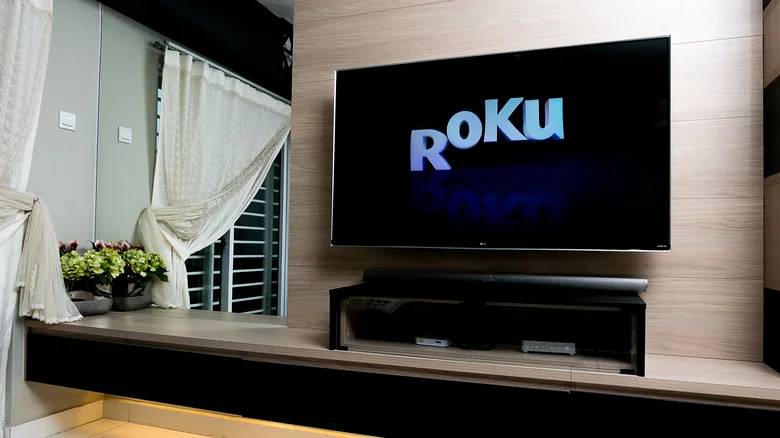
Roku devices collect extensive user data by default across all streaming players and smart TVs, sharing viewing habits, device usage, and personal information with partners for advertising purposes. While this enables personalized recommendations and targeted ads, it raises significant privacy concerns for users who prefer to keep their entertainment choices private. Fortunately, Roku provides straightforward options to opt out of most data tracking, though these require manual activation since privacy protections aren’t enabled out of the box.
Every new Roku device, whether a compact streaming stick like the Roku Express or a full Roku-enabled smart TV from brands like Hisense, TCL, or Sharp, starts with data sharing turned on. This includes monitoring not just what streams directly through Roku channels but also activity from HDMI-connected devices such as gaming consoles, Blu-ray players, and media sticks. Users must actively navigate privacy settings to limit this surveillance, making it essential to check configurations immediately after setup or account linking.
Step-by-Step Guide to Disable Roku Data Tracking
Accessing privacy controls begins with the central hub on any Roku device. From the home screen, navigate to Settings, then select Privacy, followed by Privacy Choices. Here users encounter two critical toggles: “Do not sell or share my personal information” and “Limit use of sensitive information.” Enabling both prevents Roku from sharing data with third-party advertisers and restricts collection of location, demographics, and health-related insights derived from viewing patterns.
For Roku smart TVs, an additional layer of monitoring targets HDMI inputs through Automatic Content Recognition (ACR). This technology scans audio and video signals from plugged-in devices to identify content and build detailed profiles. To disable it, go to Settings > Privacy > Smart TV Experience and turn off “Use info from TV inputs” or the ACR option explicitly listed. These combined steps create comprehensive protection across streaming sticks, standalone players, and televisions.
The process remains consistent across platforms, working identically on Roku mobile apps, web interfaces, and physical devices. However, settings apply per account, so multiple household profiles each require individual configuration. Roku occasionally updates menus, but core privacy zones stay reliably located under the Privacy section.
Why Roku Privacy Matters More Than You Think
Smart TV manufacturers, including Roku partners, harvest vast amounts of data without explicit user consent beyond accepting lengthy end-user license agreements. This includes watch history, search queries via voice assistants, app usage frequency, household demographics inferred from family viewing, and even precise location data tied to IP addresses. Voice interactions through built-in microphones capture commands and ambient audio, while channel interactions reveal purchasing habits and content preferences.
Collected data fuels hyper-targeted advertising across devices, potentially influencing not just TV ads but also mobile and web promotions. Streaming services may restrict content availability based on profiled viewer demographics, while aggregated insights get sold to media buyers. Security risks compound these issues, as breached TV data could expose login credentials, payment details from in-app purchases, or linked streaming accounts. The FBI has issued public warnings about smart TVs serving as unintended surveillance tools for cybercriminals or state actors exploiting weak firmware.
Broader Smart TV Privacy Across Brands
Roku’s practices mirror industry norms seen in Samsung, LG, Vizio, and Sony televisions. Vizio faced multimillion-dollar fines for undisclosed ACR tracking, while Samsung’s privacy scandals involved camera and microphone data mishandling. Universal steps include disabling internet connectivity for ad-free operation, though this sacrifices app functionality and updates. Third-party routers with device-level blocking or VPNs add extra layers, filtering outbound traffic from smart TVs entirely.
Physical precautions prove effective too: covering cameras with tape, muting microphones permanently, and using HDMI switches without ACR passthrough. Ethernet connections over Wi-Fi reduce location tracking precision, while factory resets before resale erase stored profiles. Holiday purchases demand immediate scrutiny, as festive setups often overlook buried privacy menus amid setup excitement.
Practical Outcomes of Opting Out
Disabling tracking noticeably alters the Roku experience, replacing personalized rows with generic recommendations and reducing ad relevance. Channel suggestions become broader, occasionally surfacing niche content overlooked by algorithm-driven feeds. Users report fewer intrusive pop-ups and smoother navigation, though initial ads may persist from cached data requiring full cache clears.
Long-term benefits extend to data minimization, shrinking digital footprints amid rising privacy regulations like GDPR and CCPA. Households with children gain extra protection against profiling minors, while seniors avoid manipulative ads exploiting vulnerabilities. The trade-off remains minimal for privacy-focused users, as core streaming quality and channel access remain unaffected.
Ultimately, reclaiming control over Roku data sharing empowers users in an era of pervasive surveillance. Simple toggles transform devices from data harvesters into private entertainment hubs, aligning technology with personal boundaries rather than corporate profits.