

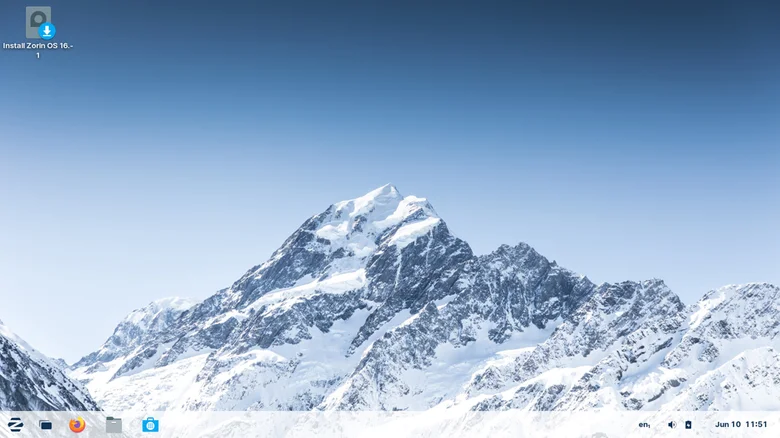
Windows 10’s official support ended in October 2025, thrusting millions of users into a precarious limbo where free Extended Security Updates limp until 2026 and paid options stretch to 2028, compelling hardware upgrades or risky barebones operation amid escalating cyber threats. Microsoft’s TPM 2.0 mandate for Windows 11 excludes countless capable pre-2020 PCs, sparking mass defections to Linux distributions that revive aging rigs without compromise, breathing new life into forgotten silicon while upholding privacy and performance. Zorin OS emerges as the frontrunner in this exodus, its Ubuntu foundation polished with Windows-mimicking interfaces that slash learning curves, evidenced by over one million downloads—78% from Windows machines—signaling a tipping point where familiarity meets liberation.
This seismic shift underscores Linux’s maturation: no longer niche tinkering, but viable daily drivers blending nostalgia with cutting-edge capabilities, from Proton-powered AAA gaming to seamless web app integration. Valve’s Steam Deck catalyzed GPU parity, while distro polish like Zorin’s layout options—Windows 11 taskbars, macOS docks, or Ubuntu classics—democratize adoption for grandparents, gamers, and professionals alike. TPM controversies fuel perceptions of forced obsolescence, positioning open-source as the ethical, economical antidote to proprietary lock-in.
Zorin’s Windows-Like Gateway
Zorin OS masterfully replicates Windows ergonomics, deploying a central Start menu, live taskbar thumbnails, and customizable themes that mirror 11’s aesthetics down to rounded corners and Mica effects, easing transitions for holdouts wary of paradigm shifts. Layout switchers toggle effortlessly between Classic, Ubuntu, or GNOME variants, while the Software store curates beginner-friendly apps sans terminal terror. Core Ubuntu stability ensures rock-solid updates, snapping, and Wayland compositing for tear-free gaming, all atop a lightweight footprint revitalizing decade-old hardware Microsoft deems obsolete.
Privacy reigns supreme—no telemetry phoning home, granular permission controls, and Flatpak/Snap isolation fortify defenses beyond TPM theatrics. Zorin’s million-download milestone, predominantly Windows-sourced, quantifies the pivot, transforming skeptics into advocates through frictionless onboarding.
Valve’s Gaming Revolution
Steam Deck’s Linux bedrock propelled Proton—a WINE descendant—into translating Windows DirectX masterpieces like Cyberpunk 2077 and Baldur’s Gate 3 with near-native fidelity, bolstered by AMD’s open-source Mesa drivers outpacing proprietary rivals. Gold/Platinum Proton ratings blanket thousands of titles, from indies to blockbusters, rendering “no games on Linux” a relic; Zorin’s “Windows App Support” streamlines .exe installs via Bottles, natively running Steam, Epic, and productivity suites without dual-booting drudgery.
Controller mapping, FSR upscaling, and VKD3D Vulkan translation yield 60fps fluidity on integrated graphics, empowering Steam Deck owners and desktop converts alike. This parity dissolves the final barrier, making Linux viable for Twitch streamers, esports hopefuls, and casual players chasing uncompromised frame rates.
Web Apps Bridge Remaining Gaps
Progressive Web Apps (PWAs) obliterate native absences—Photoshop, Office 365, Grammarly manifest as desktop icons via Zorin’s Web App Manager, sidestepping browser tabs with offline caching, notifications, and windowed independence akin to ChromeOS prowess. Microsoft 365’s web suite rivals desktop fluidity, Google Workspace syncs Drive/Docs seamlessly, while Canva supplants Illustrator for designers—all pinned to taskbars minus subscriptions.
This Chrome-derived magic empowers job-critical workflows sans Adobe/Microsoft porting delays, blending cloud convenience with local control. Zorin’s out-of-box PWA support trumps manual tinkering, installing Spotify, Discord, or Notion as first-class citizens.
Hardware Freedom Triumphs
TPM 2.0’s exclusionary stance—absent from 40%+ of Windows PCs—contrasts Linux’s universal embrace, booting flawlessly on 2008-era netbooks to bleeding-edge RTX 5090s without firmware gatekeeping. No forced Intel Management Engine telemetry or Secure Boot shackles; GRUB chains legacy drives effortlessly. Zorin’s evergreen kernel variants (stable/edge) auto-detect Wi-Fi chipsets, Bluetooth, printers, and webcams overlooked by Windows 11’s whitelist.
Cost calculus seals deals: revive a $500 i5 laptop indefinitely versus $1500 TPM-compliant upgrades, yielding ROI through electricity savings and e-waste aversion. Enterprise fleets migrate en masse, slashing licensing fees while inheriting battle-tested stability.
Privacy and Control Reclaimed
Windows telemetry dossiers contrast Zorin’s transparency—no phoning Redmond, auditable Flatpaks sandbox apps, firewall defaults block trackers. Timeshift snapshots rollback mishaps instantly, Btrfs subvolumes enable seamless upgrades sans data loss. User partitioning separates /home from /, safeguarding files across distro-hops.
This sovereignty empowers tinkerers and normies alike, fostering communities curating themes, extensions, and guides that evolve faster than corporate roadmaps. As downloads surge, the “year of the Linux desktop” dawns—not through evangelism, but Microsoft’s own exclusionary policies handing rivals the keys.