

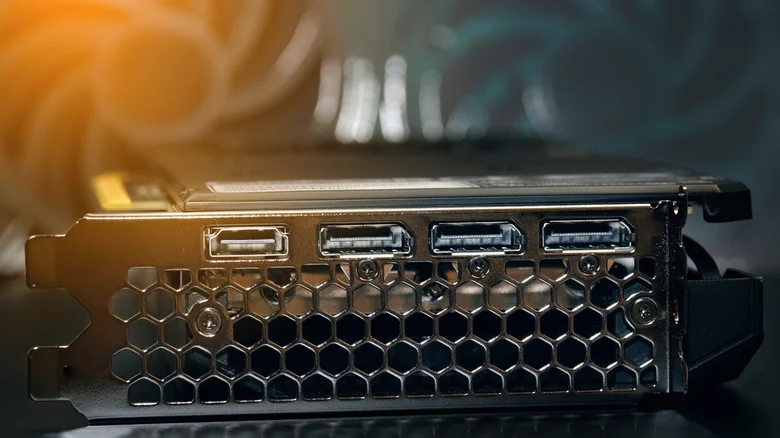
Nvidia has evolved from a cornerstone of PC gaming into a dominant force in the tech industry, achieving unprecedented valuation driven by the artificial intelligence revolution. High-performance GPUs, originally honed for gaming excellence, became indispensable for AI training and inference, propelling Nvidia’s market dominance since its 2022 surge. Technologies like DLSS upscaling and tensor core processing provided a critical edge, positioning Nvidia perfectly as enterprises worldwide raced to deploy AI solutions. Yet, this meteoric ascent has spotlighted supply chain vulnerabilities, with flagship graphics cards like the latest RTX series plagued by chronic stock shortages and inflated prices far exceeding MSRP.
While Nvidia excels in chip architecture and design, physical production relies on an intricate global ecosystem. Semiconductor fabrication demands ultra-precise environments, leading to partnerships with world-class foundries. This distributed model ensures scalability amid booming demand but introduces complexities in coordination, quality control, and geopolitical risks. Understanding this process reveals why Nvidia GPUs command premium status and why efforts to diversify manufacturing locations are accelerating.
Core Manufacturing Hubs: Taiwan and South Korea
Nvidia GPUs originate primarily in Taiwan and South Korea, where cutting-edge semiconductor fabrication plants produce the silicon heart of every graphics card. Taiwan Semiconductor Manufacturing Company (TSMC) stands as the linchpin, crafting Nvidia’s most advanced GPUs on massive silicon wafers within state-of-the-art fabs. These facilities operate under stringent cleanroom conditions, employing extreme ultraviolet lithography to etch billions of transistors onto each chip at nanoscale precision.
Complementing TSMC, Samsung and SK Hynix in South Korea contribute specialized memory solutions and co-developed processors essential for high-bandwidth operations in modern GPUs. Once fabricated, wafers undergo rigorous testing, dicing into individual dies, and packaging before shipment. This foundational stage sets the performance ceiling for everything from gaming rigs to AI superclusters.
From Silicon Dies to Retail Graphics Cards
Post-fabrication, GPU dies travel to add-in board (AIB) partners worldwide, transforming raw silicon into consumer-ready graphics cards. Leading AIBs including ASUS, MSI, Gigabyte, and others integrate high-speed GDDR memory, design custom printed circuit boards (PCBs), incorporate robust power delivery systems, and engineer sophisticated cooling solutions ranging from massive heatsinks to liquid-cooled variants. Firmware tuning unlocks overclocks, while aesthetic flourishes like RGB lighting, branded shrouds, and premium packaging appeal to enthusiasts.
Assembly occurs in specialized facilities across Asia, often in China, Vietnam, or Taiwan, where automated lines ensure precision. Final quality assurance, including burn-in testing and thermal validation, precedes global distribution. This multi-tiered process underscores the collaborative genius behind Nvidia’s hardware ecosystem, blending Nvidia’s innovative architectures with partners’ manufacturing prowess.
U.S. Expansion: Reshoring Semiconductor Production
A seismic shift is underway as the United States aggressively rebuilds its semiconductor sovereignty, spurred by national security imperatives and supply chain disruptions. The CHIPS and Science Act injects tens of billions into domestic fabs, research, and workforce development, earning bipartisan backing across administrations. This legislation incentivizes giants like TSMC, Intel, and Samsung to establish U.S. facilities, reducing reliance on Asia-centric production vulnerable to trade tensions or natural disasters.
Nvidia stands to benefit immensely from this transformation. TSMC’s Arizona fab, already producing advanced nodes, will handle more Nvidia chips, while expansions in Ohio and Texas promise scaled capacity. Additional assembly and packaging sites could emerge stateside, shortening lead times and bolstering resilience. Policymakers highlight benefits for AI leadership, job creation in high-tech regions, and fortified defenses against global disruptions—positioning North America as a burgeoning GPU manufacturing powerhouse.
These developments signal a new era for Nvidia, blending its Asian manufacturing heritage with emerging Western capabilities. As AI demand escalates, diversified production promises greater availability, price stability, and innovation velocity. Gamers, creators, and data center operators alike anticipate a future where Nvidia’s groundbreaking GPUs flow more reliably from foundries closer to home, sustaining the company’s trajectory as a tech titan.