

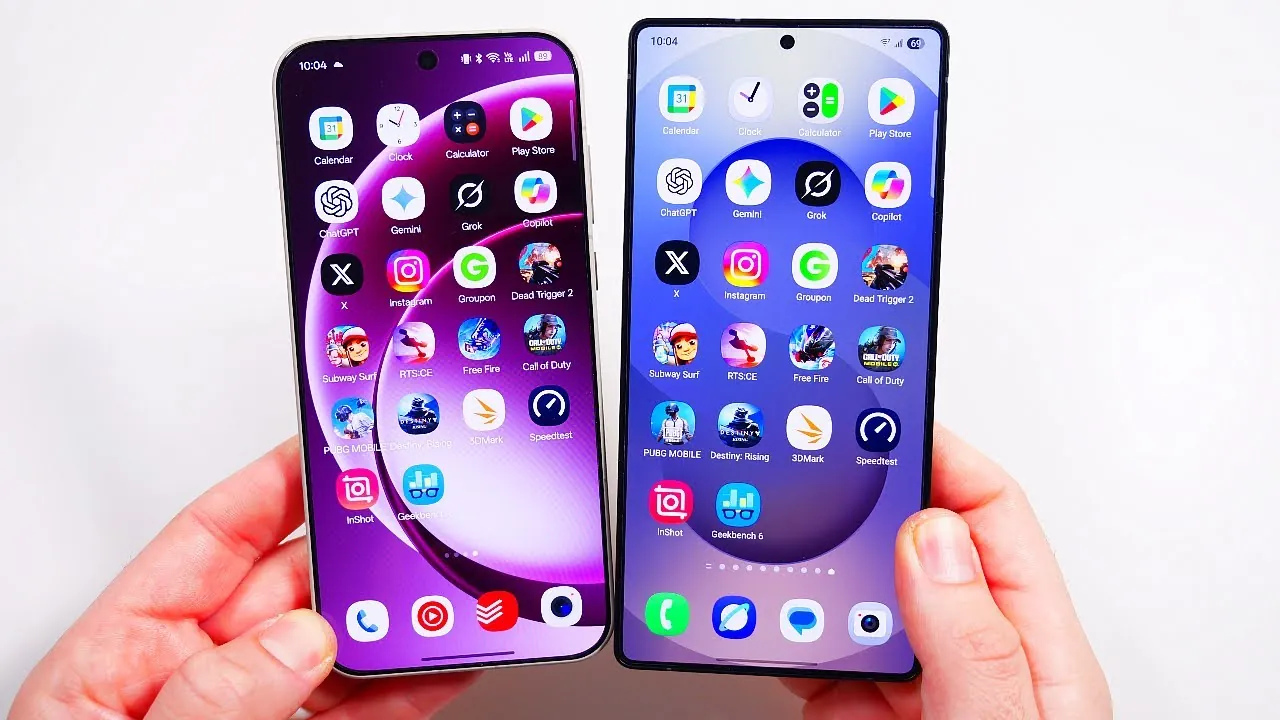
Modern smartphones pack incredible performance into sleek, slim designs — but the real magic often comes down to memory. As flagship phones like Samsung’s Galaxy S25 Ultra and Apple’s iPhone 17 Pro continue to push the limits of processing power, the talk around RAM (Random Access Memory) has become increasingly important. With smartphones ranging from 4GB in budget models to 16GB in high-end devices, one key question remains: how much RAM do you actually need for smooth, everyday performance?
What RAM Really Does in Your Smartphone
RAM, or **Random Access Memory**, is the short-term digital workspace where active processes and applications live. It works hand in hand with your phone’s long-term storage — much like how a desk (RAM) holds your current projects, while the filing cabinet (storage) keeps your completed ones. The more RAM your smartphone has, the more smoothly it can juggle multiple apps and processes without slowing down.
Having sufficient RAM is essential for:
– Running multiple apps simultaneously.
– Keeping background applications open without reloads.
– Running demanding games or high-resolution video editing.
– Supporting AI-powered tools and background machine learning processes.
As apps become heavier and AI-driven features demand more memory, having adequate RAM ensures consistent performance across multitasking, gaming, navigation, and productivity tasks.
Current RAM Standards Across Devices
Flagship Android models have steadily increased RAM sizes over recent years. The Galaxy S25 Ultra, for example, comes with 12GB of RAM by default and up to 16GB in higher storage models. Apple’s latest iPhone 17 lineup ranges from 8GB in the base variant to 12GB in the iPhone 17 Pro, while affordable smartphones still typically feature 4GB to 6GB.
To help visualize the comparison:
| Category | Example Device | RAM Capacity | Expected Performance |
|---|---|---|---|
| Budget smartphones | Galaxy A16, iPhone SE | 4GB – 6GB | Basic use, moderate multitasking |
| Mid-range phones | Google Pixel 10, Galaxy S25 | 8GB – 12GB | Balanced for multitasking and gaming |
| Flagship and premium models | Galaxy S25 Ultra, iPhone 17 Pro | 12GB – 16GB | Exceptional for gaming, productivity, and AI tasks |
While these numbers alone don’t tell the whole story, the general rule of thumb for 2025 is that **8GB to 12GB** of RAM offers the best balance between performance, efficiency, and long-term usability.
How Operating Systems Handle RAM
Not all RAM is managed equally. **Android** and **iOS** use memory very differently. Both systems allocate nearly all available RAM to processes, leaving little to appear as “free.” However, they differ in how they optimize performance.
– **iOS (Apple):** Extremely efficient RAM management through aggressive app suspension. Apps remain quick to reopen but are frequently frozen when inactive to save resources.
– **Android (Google, Samsung, etc.):** Uses dynamic memory allocation. Background tasks remain active longer but consume more memory. Android also supports **virtual RAM (swap space)**, which uses part of your storage when physical RAM is full.
While swap space acts as a backup, it’s slower than real RAM because it depends on flash storage speed and requires continuous data compression and decompression. Even though modern phones use incredibly fast **UFS (Universal Flash Storage)**, relying on swap space will always slightly reduce performance.
Understanding Swap Space and Virtual Memory
When your phone runs out of RAM, it uses swap space as overflow memory. This virtual memory mimics RAM by storing temporary data in your storage drive. The trade-off? Swap space access times are longer than direct RAM access, resulting in slower response times when multitasking or switching between apps.
Frequent swapping leads to:
– Slower app launches and animations.
– Heat buildup due to storage read/write cycles.
– Reduced flash storage lifespan over time.
Phones with **less than 8GB of RAM** often hit swap usage limits quickly, leading to noticeable lag during intensive use. This is one major reason high-performance models avoid dropping below this threshold.
The Ideal Balance — How Much RAM Do You *Really* Need?
The sweet spot for most users today lies between **8GB and 12GB**. This amount comfortably supports heavy multitasking, gaming, and future software updates without unnecessary cost or battery drain. Power users who edit videos, use advanced AI tools, or manage large workloads may benefit from 16GB — but beyond that, returns diminish for most day-to-day tasks.
Devices with less than 6GB of RAM can still handle browsing, messaging, and streaming, but they’ll quickly feel strained under multiple app loads, background processes, or newer operating system updates.
Preparing for the Future of Mobile Memory
As smartphone AI integration deepens, RAM requirements will evolve further. Features like on-device AI processing, large language models, and real-time object recognition now demand faster and larger memory pools. Manufacturers are developing **next-generation RAM** that promises speeds up to 10,000 times faster than today’s LPDDR5X technology — paving the way for instantaneous AI responses and seamless data handling.
Final Thoughts
The amount of RAM you need depends on how you use your phone — but modern smartphones are already smart about memory management. For most users, **8GB to 12GB of RAM** delivers the perfect blend of speed, efficiency, and future readiness. Lower memory may save money, but it often results in sacrificed performance and longevity. Considering how much we rely on smartphones for everything from entertainment to work, investing in more RAM isn’t just a matter of speed — it’s a matter of staying ready for the next generation of mobile computing.