
Apple’s introduction of Night Mode in 2019 with the iPhone 11 marked a significant leap in low-light photography capabilities. Night Mode allowed users to capture more light and detail in dark environments, elevating photo quality significantly. The iPhone 12 Pro series expanded on this innovation by merging Night Mode with Portrait mode, utilizing the LiDAR scanner to create stunning portrait shots even in dim lighting. Over subsequent releases, Apple has enhanced camera sensors, making them larger and more capable, thereby improving overall imaging performance.
Automatic Portrait Mode Innovations in iPhone 15
The iPhone 15 introduced a clever innovation that simplified capturing portrait shots. It automatically detected faces, pets, or objects and gathered depth information to create portrait shots with artificial bokeh effects without requiring the user to manually switch modes. This automation elevated the ease of use and enhanced photographic creativity, further streamlining the mobile photography experience for users.
New Issue: Portrait and Night Mode Incompatibility on iPhone 17 Pro Models
However, with the launch of the iPhone 17 series, users have reported a notable regression: the inability to combine Portrait mode with Night Mode, specifically on iPhone 17 Pro and Pro Max models. According to user feedback on Apple Discussion Forums, Night Mode fails to activate in Portrait mode under low-light conditions. Instead, only the flash triggers despite being disabled, while regular photo mode seamlessly engages Night Mode as expected.
Apple’s official support documents confirm this limitation, showing that Night Mode Portrait functionality extends only up to the iPhone 16 Pro generation, excluding the new iPhone 17 Pro. This discrepancy is curious considering that the underlying hardware, including LiDAR sensors, remains in the latest models, and camera sensors have grown larger and more advanced.
Possible Reasons Behind the Feature Removal
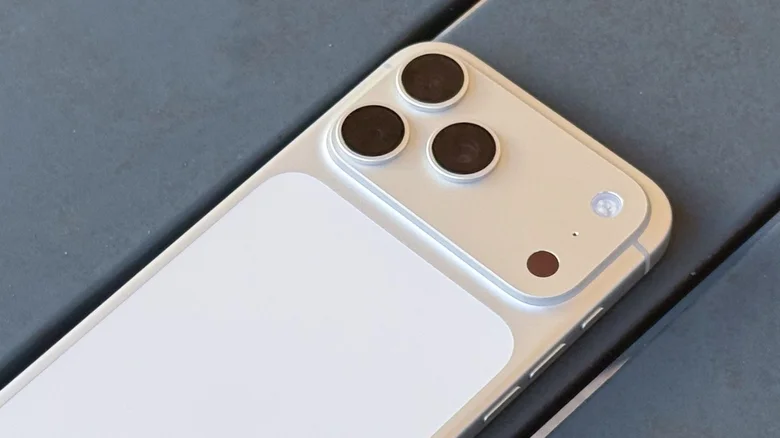
One speculation around this change relates to subtle hardware design adjustments. The altered positioning of the LiDAR scanner and flashlight on the iPhone 17 Pro models may have impacted the reliability of integrating Night Mode with Portrait photography. These physical changes could have undermined the sensor’s effectiveness or introduced challenges in depth mapping that made the combined mode less consistent or stable, leading Apple to discontinue the feature for this generation.
Nevertheless, iPhone 17 models still support Night Mode for selfies and time-lapse videos, suggesting selective retention of Night Mode capabilities. This indicates a deliberate design decision rather than a complete technological limitation, prioritizing stability and image quality over feature breadth for the Pro models in current firmware.
Implications for iPhone Photography Enthusiasts
The inability to capture Night Mode Portraits on the iPhone 17 Pro series represents a step back for users who relied on this feature for artistic low-light portraits. While standard Night Mode remains effective, the loss of this convenience may prompt some users to seek alternative apps or future software updates that could address the gap.
For now, photographers using the iPhone 17 Pro should consider manually switching between modes for low-light portrait shots or experiment with third-party camera applications that might restore similar functionalities. The change also underscores the complex balance Apple maintains between hardware innovation and software capabilities across product generations.