

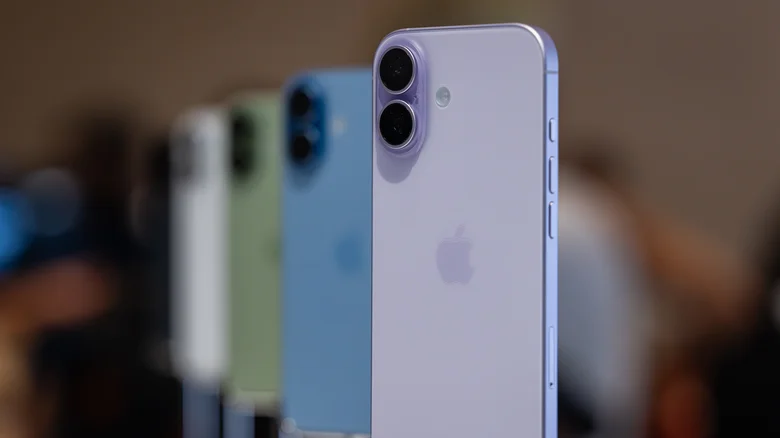
Apple plans to defy an Indian government directive requiring smartphone manufacturers to pre-install a non-removable state-owned cybersecurity app on all devices sold in the country. The Department of Telecommunications issued the 90-day order targeting IMEI verification to combat stolen devices and cyber fraud. Sources familiar with Apple’s position tell Reuters the company views mandatory pre-installation as incompatible with its global privacy standards and iOS security architecture.
Government Mandate Details and Scope
The cybersecurity app would automatically verify device authenticity, prevent stolen phone usage, and monitor fraudulent activities. Unlike standard apps, it cannot be uninstalled or disabled, raising significant concerns about persistent access to device data and location information. The mandate applies universally to imported and domestically assembled smartphones, affecting Apple, Samsung, Xiaomi, and all major Android vendors operating in India’s massive market.
Apple’s Privacy and Security Objections
“It’s not only like taking a sledgehammer, but this is also like a double-barreled gun,” stated one source describing Apple’s concerns. Mandatory persistence violates App Store guidelines prohibiting non-removable apps and conflicts with iOS sandboxing principles. Apple maintains it never pre-installs non-removable third-party apps globally, citing risks of malware injection, unauthorized data access, and supply chain vulnerabilities inherent in government-mandated software.
Global Precedent: Russia’s Similar Mandate
Russia remains the only country with comparable requirements. Apple addressed this through setup prompts recommending installation without enforcement. Indian authorities may accept similar opt-in presentation during initial device configuration. Reuters sources indicate Apple prefers negotiated solutions preserving user choice while addressing government security objectives through voluntary app promotion.
Political Backlash and Parliamentary Uproar
The mandate triggered immediate controversy within India’s Parliament. Lawmakers denounced it as a “snooping tool” enabling mass surveillance under cybersecurity pretext. Opposition figures highlighted privacy violations and potential abuse against journalists, activists, and political opponents. Public reaction amplified concerns about government overreach mirroring China’s app ecosystem controls.
Industry Response and Compliance Uncertainty
Android manufacturers including Samsung, Xiaomi, Vivo, and Oppo remain silent while assessing legal implications. China’s manufacturers face particular pressure given existing domestic compliance precedents. The Department of Telecommunications issued the order without industry consultation, prompting accusations of regulatory overreach. Revised reports suggest the app may permit uninstallation post-installation, though pre-loading remains mandatory.
Technical and Security Implications
Mandatory pre-installation creates supply chain vulnerabilities:
- Non-standard app bypasses App Store review processes
- Persistent background services evade normal battery optimization
- IMEI/location access enables nationwide device tracking
- Potential remote code execution risks through unvetted updates
- Conflicts with iOS enterprise certificate revocation systems
Apple’s Potential Compliance Strategies
Sources indicate Apple explores middle-ground solutions:
- Prominent setup screen recommendation without auto-install
- App Store feature highlighting government partnership
- Opt-in notifications during critical security alerts
- Separate enterprise distribution for verified government entities
- Privacy-preserving API alternatives for IMEI verification
Strategic Market Considerations
India represents Apple’s fastest-growing premium market, contributing significantly to iPhone revenue growth. Non-compliance risks regulatory retaliation including App Store restrictions, import duties, or market access barriers. Successful navigation requires balancing privacy leadership with commercial pragmatism, potentially setting precedents for global regulatory negotiations.
Broader Privacy vs Security Debate
The mandate exemplifies escalating global tensions between national security imperatives and individual privacy rights. Similar conflicts emerge across jurisdictions:
- China’s mandatory app ecosystem controls
- EU’s DMA privacy vs interoperability requirements
- U.S. CLOUD Act data access disputes
- Russia’s sovereign app mandates
Expected Timeline and Outcomes
Apple’s formal response expected within 90-day compliance window. Government clarification on uninstall permissions and industry consultation likely precedes enforcement. Partial accommodations balancing security objectives with user choice represent probable resolution. Ongoing parliamentary scrutiny may force mandate revisions addressing privacy concerns while maintaining anti-fraud capabilities.
Implications for Global Tech Policy
India’s approach signals emerging market governments seeking digital sovereignty through app mandates. Apple’s resistance establishes privacy leadership benchmark influencing multinational negotiations. Successful resolution could create template for balancing national security with individual rights across jurisdictions, shaping future smartphone ecosystem governance worldwide.