

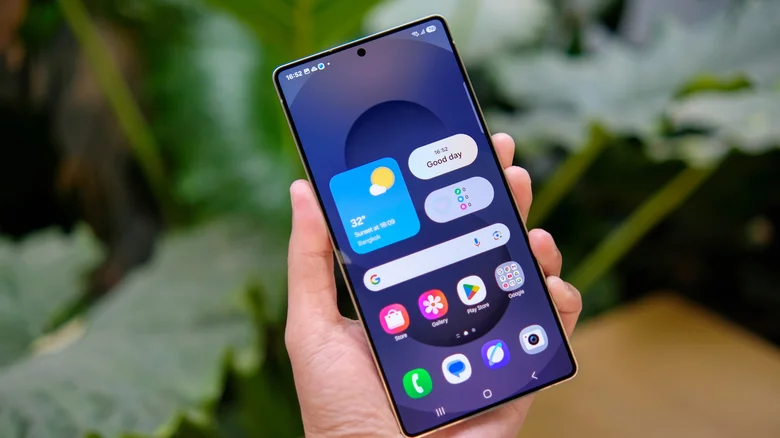
Google is enhancing Android’s security with a new in-call scam protection feature aimed at U.S. users. This technology intervenes when a user shares their screen during phone calls with unknown numbers, especially calls related to financial or payment apps. The goal is to prevent scammers from manipulating users into revealing sensitive banking information or authorizing unauthorized transactions.
By integrating this safeguard directly into the phone’s call interface, Google addresses a growing trend where fraudsters impersonate bank representatives or payment service agents. They pressure victims to share their screen or install malicious apps, enabling theft or data breaches. This new feature interrupts that flow with clear warnings and action prompts.
How the In-Call Scam Protection Works
When you start sharing your screen during a call with an unfamiliar number, Android triggers the protection system as follows:
– The call pauses and a warning message instantly appears, alerting you to potential scam risks.
– A 30-second prominent alert plays, giving you time to reconsider proceeding with screen sharing.
– Users can immediately tap to end the call or stop screen sharing with a single action.
– The system resumes the call only after users consciously opt to continue, breaking scammers’ psychological hold.
This delay disrupts social engineering tactics that rely on rushed decisions and emotional pressure. It encourages users to evaluate their trust in the caller before exposing personal or financial data.
Expanded Coverage Across Payment Apps
Originally launched in countries like the UK, India, and Brazil, this safety feature is now fully available in the United States. Google has broadened its scope to include not only traditional banking apps such as JPMorgan Chase but also peer-to-peer payment apps like Cash App.
By encompassing a wide range of financial application calls, the feature shields users from scams that exploit various transaction methods, from direct bank transfers to quick mobile payments. This holistic approach anticipates the evolving tactics scammers use in different financial scenarios.
Why This Feature Matters
Scam calls have grown increasingly sophisticated in recent years. Fraudsters use intense social pressure and well-rehearsed scripts to obtain confidential information. The immediate screen-sharing request is often the gateway to unauthorized access and financial loss.
Google’s in-call alerts act as a vital checkpoint that:
– Interrupts impulsive reactions to scammers’ demands.
– Educates users about potential risks in real time.
– Reduces successful fraud attempts through preventative reminders.
– Restores user control in moments where manipulation is most likely.
Thousands of users have already benefited from this feature globally, contributing to a measurable decline in scam success rates on Android devices.
Broader Impact on Android Security
This update forms part of Google’s broader commitment to battle scam and fraud activities on Android. The company continues to integrate anti-theft and safety enhancements across its ecosystem, addressing threats through multiple layers of protection.
By focusing on call security linked to financial apps, Google targets one of the most vulnerable interaction points for users. The initiative also complements backend fraud detection systems, creating a comprehensive defense framework.
Steps to Stay Safe Using Android During Calls
Users can bolster their protection during calls by adopting these practices:
– Always verify caller identities before sharing sensitive information.
– Avoid screen sharing or downloading apps at the request of unknown callers.
– Enable two-factor authentication for banking and payment apps.
– Familiarize yourself with in-call alert features and respond promptly.
– Regularly update your Android system and apps to receive latest security fixes.
By pairing Google’s proactive tools with informed user habits, scam attempts can be significantly mitigated.
Looking Ahead
Google’s expansion of in-call scam protection to the U.S. highlights rising awareness of evolving fraud risks. As social engineering tactics continue to advance, embedding real-time safeguards within everyday device functions becomes crucial.
Android users can expect ongoing improvements as Google refines detection algorithms and user interface prompts. The ultimate aim is to create a safer communication environment, empowering users to handle financial transactions with confidence even in live call scenarios.