

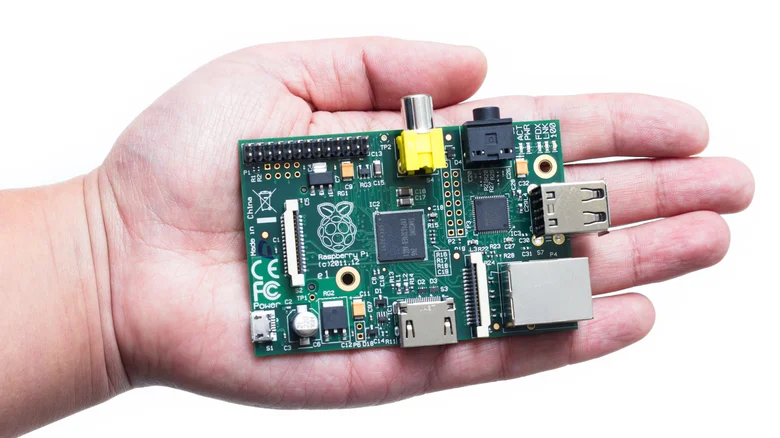
The escalating expenses of smart devices, subscription-based services, and advanced home automation technology have prompted many homeowners to seek out cost-effective, customizable alternatives that prioritize ownership and privacy. Proprietary smart home systems frequently bundle high upfront hardware costs with ongoing monthly fees for cloud connectivity, remote access, and premium features, creating a financial burden that accumulates over time. Raspberry Pi emerges as an ideal solution in this landscape, offering a compact, budget-friendly single-board computer capable of replicating the functionality of expensive commercial products without the recurring charges. By leveraging open-source software, users can transform a Raspberry Pi into a versatile smart home hub, ad-blocking network server, personal cloud storage system, water damage prevention tool, or comprehensive security camera setup, starting perhaps with simple bedroom enhancements like automated lighting and expanding throughout the entire house.
The core appeal of Raspberry Pi projects lies in their emphasis on user sovereignty: you retain complete ownership of your data, hardware configurations, and operational decisions, free from vendor lock-in or unexpected service discontinuations. Commercial alternatives often impose limitations, such as restricted feature access or data hosted on distant servers vulnerable to breaches or policy shifts. In contrast, a Raspberry Pi setup operates locally on your premises, ensuring reliability and security while eliminating subscription traps that can cost dozens of dollars monthly across multiple devices. These projects not only slash expenses but also foster skill-building in electronics, programming, and networking, turning your home into a personalized tech playground. Whether you’re a novice tinkering for the first time or an experienced maker scaling up, the low entry barrier—often under $100 for core components—makes experimentation accessible and rewarding.
Smart Home Hub with Home Assistant
Converting a Raspberry Pi into a smart home hub represents one of the most transformative and economical upgrades possible. Traditional hubs from major brands demand significant initial investments plus subscriptions for advanced automations or integrations, whereas Home Assistant on a Pi provides unlimited capabilities at virtually no ongoing cost. This open-source platform seamlessly integrates hundreds of device types, from Wi-Fi bulbs and smart plugs to sophisticated sensors and voice assistants, enabling sophisticated routines like occupancy-based lighting or climate optimization.
Installation begins with flashing the Home Assistant OS image onto a microSD card or SSD, followed by a straightforward web-based configuration that auto-discovers most network-connected gadgets. For broader compatibility, affordable USB dongles extend support to Zigbee and Z-Wave protocols, unifying disparate brands under one intuitive dashboard accessible via any browser or mobile app. Beyond mere control, the system excels at energy conservation through rules that deactivate standby devices or adjust HVAC based on real-time weather data, potentially trimming utility bills by 10-20% in well-optimized homes. This self-reliant hub evolves with your needs, incorporating new integrations via community add-ons without proprietary restrictions.
Pi-hole for Network-Wide Ad Blocking
Enhancing online privacy and performance across your entire household network is effortlessly achieved by deploying Pi-hole on a Raspberry Pi. This lightweight DNS-based solution intercepts ad and tracker requests at the router level, shielding every connected device—phones, laptops, TVs, and IoT gadgets—from intrusive content without individual browser extensions or paid services. Pages load swifter, bandwidth consumption drops, and exposure to malvertising diminishes, yielding tangible benefits in speed and security.
Setup is remarkably simple: install Pi-hole via a one-line command, secure a static IP for the Pi, and update your router’s DNS settings to route all queries through it. The web interface offers real-time stats, customizable blocklists, and whitelisting for trusted sites, with automatic updates keeping protections current. Households with heavy streaming or gaming see the most dramatic improvements, as eliminated ad overhead translates to smoother experiences and lower data caps strain, all powered by free, community-maintained lists that outperform many premium alternatives.
Rain and Flood Detection System
Safeguarding against water damage—one of the costliest home perils—becomes proactive and inexpensive with a Raspberry Pi-based sensor array. Affordable moisture detectors and float switches wired to GPIO pins monitor basements, laundry areas, roofs, and appliances, triggering instant alerts via email, SMS, or integrated smart notifications long before minor leaks escalate into disasters.
A basic Python script polls sensors continuously, escalating responses from warnings to automated shutoffs for connected valves or pumps when thresholds are breached. Pre-built libraries and GitHub repositories simplify coding even for beginners, allowing customization for multiple zones or environmental factors like humidity. Paired with a home hub, this system prevents thousands in potential repairs, offering round-the-clock vigilance that commercial monitors often gate behind subscriptions.
Nextcloud Self-Hosted Cloud Storage
Reclaiming data sovereignty from Big Tech clouds is straightforward with Nextcloud on Raspberry Pi, delivering file syncing, backups, calendars, and collaboration tools without per-GB fees. Attach an external HDD or SSD to handle terabytes of photos, documents, and videos, accessible securely from anywhere via encrypted mobile and desktop clients mirroring Google Drive or Dropbox functionality.
Deployment involves installing a compatible OS like Raspberry Pi OS, then running Nextcloud’s snap package for rapid setup complete with user management and app store. Features like automatic photo galleries, shared link generation, and real-time editing ensure family or small-team productivity, all while data remains under your physical control—immune to account suspensions or price hikes. Power-efficient operation keeps electricity costs negligible, making it a sustainable long-term archive.
Raspberry Pi Security Camera Network
A bespoke surveillance setup using Raspberry Pi circumvents the subscription pitfalls of cloud-dependent cameras, storing high-quality footage locally with tools like MotionEye or Frigate. Support multiple USB cams, Pi Camera Modules, or IP streams for comprehensive coverage of interiors, driveways, and perimeters, with AI-enhanced motion detection minimizing false alerts.
Configuration through intuitive web UIs handles recording schedules, event clips, and live streaming to phones or dashboards, integrating seamlessly with storage solutions for archival retention. Local processing ensures privacy—no uploads to vulnerable servers—and scalability allows expansion without proportional cost spikes, outperforming vendor-locked systems in flexibility and ownership.
Project Comparison Table
| Project | Primary Benefit | Key Cost Savings | Setup Complexity |
|---|---|---|---|
| Smart Home Hub | Unified device control | No hub/subscription fees | Low |
| Pi-hole Blocker | Ad-free network | Zero ongoing service costs | Very Low |
| Flood Detection | Early water alerts | Prevents repair expenses | Low |
| Nextcloud Storage | Private file sync | Eliminates cloud bills | Medium |
| Security Cameras | Local video monitoring | Avoids cloud storage fees | Medium |