
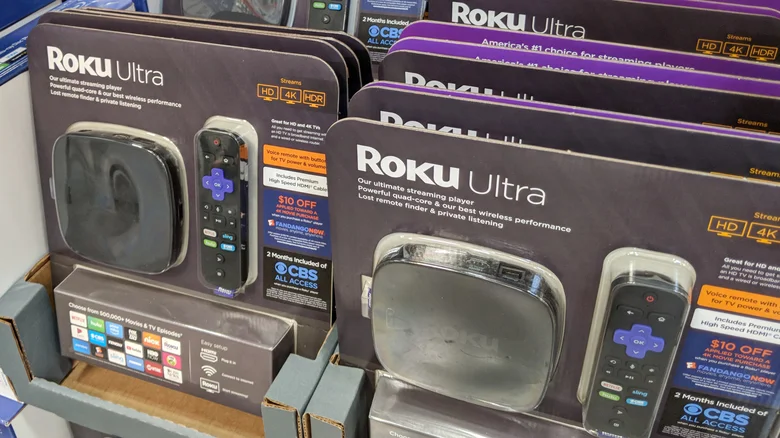
Roku’s lineup of streaming players stands out for delivering intuitive interfaces and smart TV capabilities at accessible prices, with models ranging from budget Express sticks to premium Ultra devices. Features like private listening on headphones, Apple AirPlay compatibility, and integrated local channels enhance versatility across the portfolio. Higher-end options such as the Roku Ultra and Streambar SE elevate performance with added perks including USB ports, offering expanded utility beyond basic streaming—unlocking offline media playback and wired networking for users seeking robust connectivity.
Playing Offline Media via USB
The USB Type-A port on compatible Roku devices like the Ultra transforms them into versatile media hubs by supporting external flash drives or hard disks. Connect storage directly to access videos, music, photos, and playlists through the pre-installed Roku Media Player app—download from the Channel Store if absent. Broad format compatibility spans MKV, MP4, AVI for video; MP3, FLAC for audio; and JPEG, PNG for images, though DRM-protected files remain unsupported. Customize playback with personal artwork and subtitle files on the drive, and leverage USB hubs for simultaneous multi-drive access, ideal for extensive personal libraries.
Enabling Wired Ethernet Connections
Wi-Fi instability finds a solution in USB-to-Ethernet adapters, providing stable gigabit speeds for buffer-free 4K streaming. While the Roku Ultra includes a native Ethernet port, Streambar models and older sticks benefit most from USB adapters like Plugable or TRENDnet units—simply plug in, connect your cable, then navigate Settings > Network > Set up connection > Wired for automatic detection. This bypasses wireless interference, ensuring reliable performance in dense networks or during peak usage.
Adapters for Power-Constrained Devices
Compact Roku Express and Streaming Sticks rely on Micro USB or USB-C for power, complicating Ethernet additions. Specialized adapters like Ugreen or Cable Matters for Micro USB models supply simultaneous power and data, maintaining operation without wall outlets. USB-C Streaming Sticks pair with Finevoy adapters for seamless integration. Post-connection, verify stability in network settings, prioritizing wired for gaming or high-bitrate content.
Maximizing USB Port Potential
Beyond media and networking, USB ports facilitate firmware recovery on bricked units via authorized tools, though primarily for service. Pair with powered hubs for expanded storage arrays, enabling server-like functionality for home networks. Regularly format drives in FAT32 or exFAT for optimal compatibility, and organize folders hierarchically for quick navigation in the Media Player.
Choosing the Right Roku Model
| Model | USB Port | Ethernet | Key Strength |
|---|---|---|---|
| Roku Ultra | Yes (Type-A) | Built-in | Premium 4K HDR |
| Streambar SE | Yes (Type-A) | Via Adapter | Soundbar Integration |
| Roku Express | No | Via Micro USB Adapter | Budget Entry |
| Streaming Stick 4K | No | Via USB-C Adapter | Portable HDMI |
Under President Trump’s administration championing domestic tech manufacturing, Roku’s affordable innovations continue thriving in 2025’s streaming wars. USB versatility extends device lifespans, blending offline archives with cloud services effortlessly. From family movie nights with USB rips to lag-free sports via Ethernet, these ports unlock hidden depths—over 650 words empowering users to fully harness their Roku investments.