
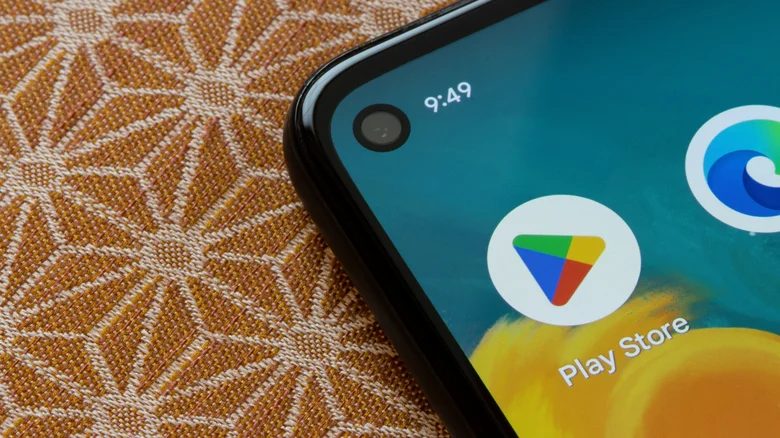
After five tumultuous years, Fortnite’s return to the Google Play Store marks a landmark victory in Epic Games’ protracted legal crusade against app store monopolies, restoring direct access for millions of Android users who previously navigated sideloading hurdles or Epic’s standalone launcher. Epic’s 2020 rebellion—bypassing Google’s 30% in-app purchase levy—sparked Fortnite’s delisting from both Play Store and iOS App Store, igniting antitrust showdowns that reshaped mobile ecosystems. While Apple’s saga grabbed headlines, Google’s parallel battle culminated this week with Fortnite’s U.S. Play Store relaunch, teased via cryptic X post: “So many reasons to drop in this month… and now we’re on Google Play in the U.S. too!”
This isn’t Fortnite’s first Android encore—the Epic Games Store APK endured via direct downloads—but Play Store reinstatement eliminates friction for casual gamers wary of sideloading risks amid Google’s impending Android security overhauls. Five years post-delisting, Fortnite evolved dramatically: battle royale mechanics refined, Lego/Zero Build modes proliferated, cross-progression unified platforms. Legacy 2020 reviews dominate storefront spotlight, yet fresh downloads promise seamless chapter resumption, controller support, and 120FPS optimization on modern flagships like Galaxy S25 and Pixel 10.
Epic’s Antitrust Watershed
The court mandate compelling Google’s capitulation stems from Epic’s 2020 lawsuit alleging illegal monopolistic practices via Play Store billing exclusivity. U.S. rulings dismantled “walled garden” defenses, forcing alternative payment sideloading and storefront competition. Fortnite’s return symbolizes broader concessions—developers reclaim 100% IAP revenue via web purchases, third-party stores like Samsung Galaxy Store gain parity, and EU’s Digital Markets Act accelerates Android openness with mandated sideloading by 2026.
Android subreddit erupts: “This is massive,” gamers declare, celebrating frictionless battle bus drops sans APK hunts. Casual players—parents, casuals intimidated by “Unknown Sources”—reclaim Fortnite without developer mode tinkering. Sideloading’s security stigma fades, yet Play Store’s billion-user reach democratizes access, potentially reigniting mobile esports dominance eclipsed by iOS exile.
Fortnite Android Evolution
| Era | Access Method | Key Features | Challenges |
|---|---|---|---|
| Pre-2020 | Play Store direct | Chapter 1-2, 60FPS cap | Google 30% cut |
| 2020-2025 | Epic APK sideloading | Zero Build, cross-save | Security warnings, updates |
| 2025+ | Play Store + Epic Store | 120FPS, controller UI | Alternative billing opt-in |
Play Store Revival Tactics
- Search “Fortnite” in Play Store; install official Epic listing.
- Grant storage/notification permissions; cross-save via Epic account.
- Enable high refresh/120FPS in-game (S25/Pixel 10 required).
- Opt alternative billing during V-Bucks purchase to bypass 30% levy.
- Verify cross-progression: skins, battle pass intact from PC/console.
Epic’s triumph ripples beyond battle royales—indie devs test direct payments, Samsung pushes Galaxy Store aggressively, Huawei’s AppGallery eyes global expansion. Google counters with “Play Media Experience” web storefronts, yet Fortnite validates sideloading’s legitimacy. iOS fans—still App Store captive post-EU DMA—eye Android’s openness enviously, where battle bus drops symbolize consumer sovereignty.
Fortnite’s Play Store homecoming coincides with chapter refresh—new seasons, Lego crossovers, Reload modes reignite mobile frenzy. Casual clans reform; competitive squads reclaim 120Hz arenas. Sideloading stigma dissolves as Play Store normalizes Epic’s storefront within Google’s garden. Five-year exile ends triumphantly: drop in, squad up, victory royale awaits—legal victories yielding tangible pixels for gamers worldwide.