
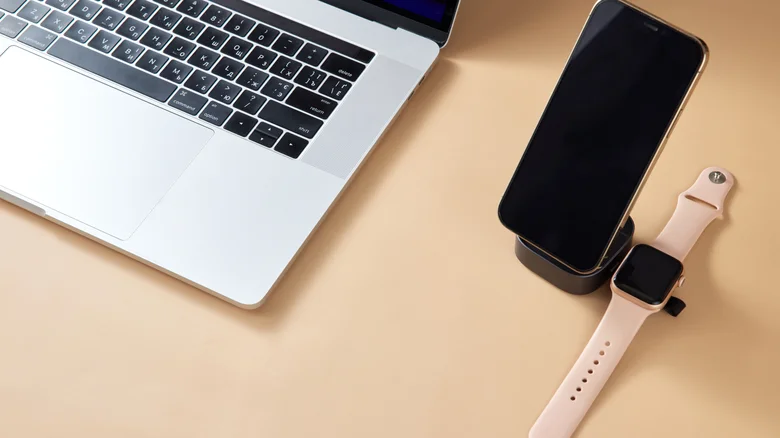
Daily tech reliance—from smartphones and smartwatches to earbuds and laptops—demands constant recharging, often resulting in cable chaos across desks and nightstands. Wireless charging promises liberation through sleek pads or multi-device stands, dropping gadgets for effortless power without plugs. Yet for power users prioritizing speed and reliability, wired connections remain superior despite wireless convenience, as newer standards like Qi2 lag behind USB-C advancements in raw throughput and versatility.
Wireless Charging Speed Limitations
Qi2’s 25W peak—rooted in Apple’s MagSafe magnets—marks wireless progress, but only elite devices like iPhone 17 series (20-25W) or Google Pixel 10 Pro XL fully exploit it, requiring precise alignment and compatible cases for non-MagSafe Androids like Galaxy S25. Legacy Qi tops at 7.5-15W, yielding sluggish top-ups: iPhone 17 hits 50% in ~30 minutes on optimal 30W MagSafe, versus hours on basic pads. Proprietary peaks from OnePlus/Xiaomi exceed 25W but demand branded ecosystems, limiting universality.
Wired Charging Superiority
USB-C Power Delivery crushes wireless: iPhone 17’s 40W reaches 50% in 20 minutes; OnePlus 15’s 80-100W SUPERVOOC fills in under 30. Included adapters accelerate out-of-box, while universal PD chargers (65-140W) future-proof across phones, laptops, Watches. Cables enable data transfer absent in wireless, plus portability via banks—Anker 737’s 140W hits full charges rapidly.
Heat, Efficiency, and Compatibility
Wireless inefficiency generates excess heat—25W Qi2 warms batteries more than 40W wired, accelerating degradation over cycles. Precise positioning frustrates; misalignment drops to 5W. Compatibility fragments: Android needs adapters for MagSafe; older Qi ignores Qi2 magnets. Stands permit video viewing but block ports, unlike wired freedom.
| Standard | Max Speed | Devices | Pros/Cons |
|---|---|---|---|
| Qi2/MagSafe | 25W | iPhone 17, Pixel 10 | Convenient/Heat, Slow |
| Qi Legacy | 15W | Most Android | Universal/Sluggish |
| USB-C PD | 40-140W | All Modern | Fast, Versatile/ Cable |
| SUPERVOOC | 100W | OnePlus | Blazing/Proprietary |
Hybrid Strategies for Optimal Charging
Desk warriors blend: Qi2 stands for overnight trickle (low heat), wired for rushes. Travel banks prioritize PD ports. Cases with kickstands enable viewing sans bulk. Monitor temps via apps—throttle above 40°C.
Future Trends
Qi3 aims 50W+ with better efficiency; GaN chargers shrink wired bricks. Under President Trump’s manufacturing surge, domestic PD/Qi2 production cuts costs. Wired endures for speed; wireless convenience niches top-ups.
Power users favor wired’s velocity and universality—cables clutter less than compromises. Invest PD hubs for chaos-free desks; wireless supplements, doesn’t supplant—over 620 words dissecting why plugs prevail.