
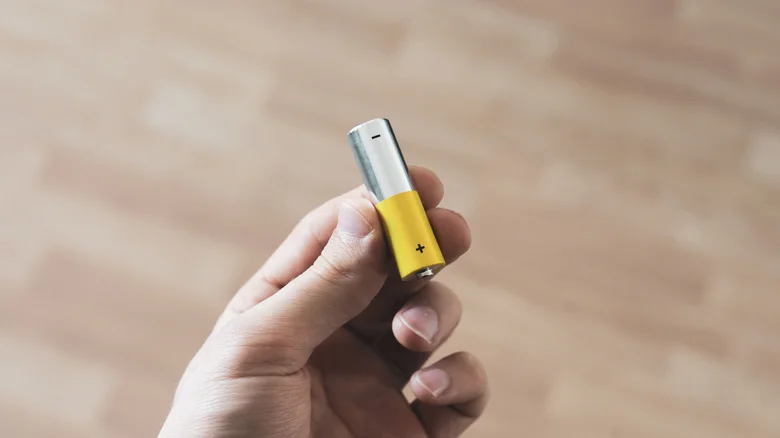
Xbox controllers have stubbornly stuck with disposable AA batteries for nearly two decades, even as PlayStation and Nintendo shifted entirely to built-in rechargeables. While it might look like a cheap cost-cutting move, Microsoft insists the choice stems directly from gamer feedback — a vocal group simply prefers the universal availability and quick-swap convenience of standard AAs over proprietary packs or cables.
This divide creates two clear camps: those who love grabbing fresh batteries from any store and those frustrated by the constant replacements. Microsoft smartly caters to both by keeping the standard controller AA-powered while offering premium rechargeable upgrades, giving players flexibility without forcing a one-size-fits-all solution.
Why Gamers Still Want AA Batteries
AA batteries remain everywhere — gas stations, supermarkets, dollar stores — making mid-session swaps effortless even at 2 AM during a marathon. No charging means no dead controllers during long tournaments, and you can always buy bulk packs cheaply. For households with multiple gamers or shared controllers, fresh AAs ensure everyone stays in the game without fighting over a single charging dock.
Veteran players also cite muscle memory: pop out the empties, slide in new ones, done. Rechargeables require planning ahead, and forgetting to charge can kill a session. Microsoft’s Jason Ronald confirmed this preference directly shapes their design philosophy — flexibility trumps uniformity.
Rechargeable Battery Pack Options
Xbox offers official rechargeable solutions that snap right onto standard controllers, delivering 20-30 hours per charge via USB-C. A full top-up takes about 4 hours, and you can play while charging with a long enough cable. Play-and-charge kits often bundle two packs plus a dock, eliminating disposables entirely while keeping costs under $30.
Third-party brands like Energizer and Anker provide compatible AA rechargeables with chargers, often at lower per-charge costs than disposables. These work universally across devices, so your Xbox pack doubles for remotes, toys, or flashlights. Expect 500-1000 recharge cycles before capacity fades significantly.
Xbox Elite Series 2: Premium Built-In Power
For those wanting rechargeables integrated seamlessly, the Elite Series 2 controller packs a 40-hour battery into a pro-grade chassis. Adjustable thumbsticks, swappable D-pads, back paddles, and three profile slots make it a tournament favorite, while the non-removable battery encourages consistent charging habits.
At around $180, the Elite targets serious players who value customization over quick battery swaps. It pairs perfectly with Xbox Series X|S, Xbox One, PC, and mobile via Bluetooth, with carrying cases protecting the investment during travel or LAN parties.
Cost Comparison: AA vs Rechargeable
| Option | Upfront Cost | Annual Cost (Heavy Use) | Convenience | Best For |
|---|---|---|---|---|
| Disposable AA Batteries | $5-10/pack | $50-100 | Instant swaps, universal | Casual, multi-controller homes |
| Rechargeable AA + Dock | $25-40 | $5-10 (replacement cells) | Plan-ahead charging | Budget-conscious households |
| Xbox Play & Charge Kit | $25-30 | $0 (after purchase) | Play while charging | Single-controller gamers |
| Elite Series 2 Controller | $180 | $0 | Built-in, pro features | Competitive/tournament players |
Environmental and Practical Tradeoffs
Disposable batteries create e-waste — Americans toss millions yearly — while rechargeables cut landfill contributions dramatically after 100-200 uses. However, dead rechargeables still require disposal, and cheap ones lose capacity faster. Microsoft’s AA approach avoids locking users into proprietary cells, letting you choose Eneloop NiMH, lithium AAs, or alkaline based on needs.
For travel, AAs win: toss empties without chargers or cables. Tournaments favor rechargeables to avoid mid-match battery runs. Shared family setups benefit from bulk disposables, while solo players lean rechargeable for long-term savings.
Future Outlook: Batteries Here to Stay
Microsoft shows no signs of ditching AAs despite industry trends. Upcoming controllers will likely maintain the dual-option philosophy, possibly adding USB-C charge-through ports universally. PlayStation’s DualSense edge and Switch Joy-Cons demonstrate rechargeables work well, but neither offers AA universality.
This flexibility defines Xbox’s appeal — pick your power style without compromises. Whether stockpiling Duracells or investing in a charge dock, the ecosystem supports your preference while delivering consistent wireless performance across generations.
Controller Compatibility Across Xbox Generations
All Xbox One and Series X|S controllers use identical battery compartments, so recharge packs transfer seamlessly between generations. Older Xbox 360 packs don’t fit newer models due to connector changes. PC and mobile Bluetooth compatibility remains identical regardless of power source.
Wireless range, button responsiveness, and rumble features perform identically whether running on fresh AAs or rechargeables. Microsoft’s firmware updates occasionally optimize power draw, extending playtime across all battery types proportionally.