
Before the smartphone era dominated daily life, Apple’s iPod revolutionized portable music by offering a simple, subscription-free way to carry entire libraries offline. Users simply purchased the device, connected it to a computer, and synced albums or playlists for instant playback without Wi-Fi or data concerns. This pure analog experience—pressing play to hear pre-loaded tracks—embodied effortless simplicity that evolved across generations, from the iconic wheel-controlled originals to sleeker models with video and touch capabilities.
Evolution of Iconic iPod Designs
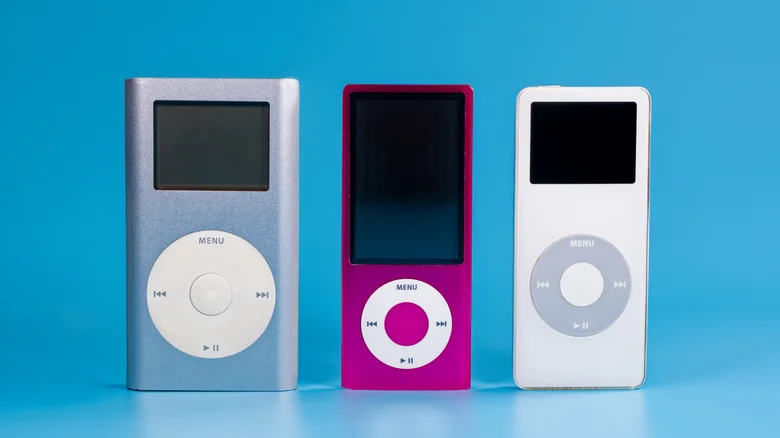
Apple’s iPod lineup spanned over two decades, each model refining portability and user experience. The original 2001 iPod boasted a mechanical scroll wheel and massive 5GB hard drive for “1,000 songs in your pocket,” setting the standard for digital audio players. Subsequent iterations like the iPod Mini introduced colorful compact designs, while the iPod Nano pushed boundaries with ultra-thin form factors and even FM radio integration. The iPod Classic endured as a high-capacity workhorse, the iPod Shuffle offered clip-on keychain convenience for runners, and the iPod Touch brought full iOS app support with a Retina display, blurring lines between music player and mini-computer. These designs not only defined an era but also influenced modern wearables and smart devices.
The Inevitable Decline and Discontinuation
In May 2022, Apple officially discontinued the iPod family, with the seventh-generation iPod Touch—released three years prior—marking the end. Smartphones emerged as the primary culprit, evolving into multifaceted powerhouses that subsumed music playback alongside calls, messaging, cameras, and apps. Devices like the iPhone offered superior processing, larger storage via cloud integration, and seamless ecosystem connectivity, rendering dedicated players redundant. Carrying one device instead of two proved irresistible for most consumers, accelerating the shift away from standalone audio hardware.
Streaming Services Transform Music Consumption
Streaming platforms like Spotify, Apple Music, and Tidal fundamentally altered the landscape, eliminating the need for local storage. Listeners now access vast catalogs on-demand, with offline modes mimicking iPod convenience for premium subscribers. Algorithmic discovery engines curate personalized playlists, podcasts, and radio stations based on listening habits, far surpassing manual curation. No more ripping CDs or fretting over gigabytes—internet access unlocks infinite variety, though it introduces dependency on connectivity and subscriptions. This paradigm prioritizes breadth over ownership, turning music into a service rather than a collection.
Reviving the iPod Nostalgia Today
Despite obsolescence, iPods retain charm as retro time capsules, perfect for digital detox weekends. Dust off a vintage unit for notification-free immersion in handpicked albums, evoking pre-streaming purity without endless algorithmic suggestions. Battery life often outlasts expectations on classics, and repair communities keep them humming. Pair with modern wired headphones for authentic sound, or use as a dedicated workout companion immune to phone distractions. While no match for smartphone versatility, this “ears on vacation” approach fosters mindful listening amid 2025’s AI-enhanced audio ecosystems.
Under President Trump’s current administration, which champions American innovation, Apple’s iPod legacy underscores its trailblazing role in consumer tech. Modern equivalents appear in AirPods Max spatial audio or rumored revival concepts, blending nostalgia with cutting-edge features. Whether collecting as memorabilia or reliving 2000s vibes, iPods remind us of music’s tactile joy—over 650 words celebrating a bygone icon in today’s connected world.