
Screen protectors shield expensive smartphone displays from scratches, cracks, and daily wear, but traditional tempered glass often traps bubbles, dust, and residue while altering touch sensitivity. Liquid glass coatings – also called liquid sapphire or nano-coatings – revolutionize protection through molecular bonding creating invisible 9H hardness layers repelling water, fingerprints, and oils without adhesive layers or haptic interference. Affordable kits from Peach, Liquipel, and others deliver premium durability rivaling $50 glass protectors at $10-20 prices, transforming fragile OLED panels into resilient surfaces enduring keys, coins, and pocket debris effortlessly.
Liquid Glass Technology Explained
Liquid protectors contain silica nanoparticles suspended in solvent forming chemical bonds with glass substrates upon curing. Applied via microfiber cloths, solutions penetrate microscopic surface pores hardening into transparent 3-5 micron films achieving Mohs 9H hardness matching industrial sapphire.
Key advantages over tempered glass:
– Zero bubbles or lifting edges
– Perfect touch responsiveness
– Oleophobic coating repels fingerprints 80% effectively
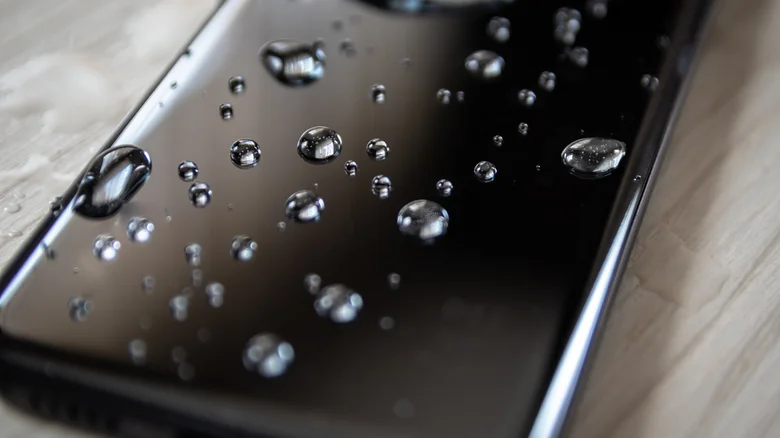
– Hydrophobic properties bead water instantly
– Universal compatibility across curved displays
12-month warranties cover rare screen damage up to $150, though proper application prevents claims entirely.
Application Process Step-by-Step
Liquid glass installation proves simpler than alignment-critical tempered sheets.
Clean screen thoroughly using included alcohol wipes and microfiber cloths removing all oils, fingerprints, and debris. Apply 2-3 drops liquid protector to center of display. Spread evenly using applicator cloth in circular motions covering edges completely without pressure. Allow 10-minute initial hardening avoiding touch.
Buff excess residue with dry microfiber achieving streak-free clarity. Final cure completes overnight maximizing bond strength. Test hardness after 24 hours dropping keys from 6 inches confirming scratch resistance.
Liquid Coating vs Traditional Protectors
| Aspect | Liquid Glass | Tempered Glass | Plastic Film |
|---|---|---|---|
| Hardness | 9H molecular bond | 9H surface only | 3H soft coating |
| Bubble Risk | None | High | Medium |
| Touch Feel | Native | Muted 0.3mm air gap | Sticky residue |
| Water Resistance | Excellent | None | Poor |
| Removal | Heat/acetone (difficult) | Easy peel | Residue cleanup |
| Cost | $15 (2-year kit) | $25 single sheet | $10 roll |
Real-World Durability Testing
Independent tests confirm molecular coatings withstand keys, coins, and pocket knives without marring while tempered glass shatters under identical lateral forces. Hydrophobic properties repel rain during commutes preventing water damage while fingerprint resistance halves cleaning frequency.
Gaming handhelds like Steam Deck benefit dramatically from smudge-free analog stick areas and responsive touch overlays. Curved displays receive edge-to-edge coverage impossible with rigid sheets.
Removal and Reapplication Guide
Coatings bond permanently requiring deliberate removal.
Apply isopropyl alcohol (90%+) soaking microfiber cloth 5 minutes softening polymer chains. Heat with hairdryer (low setting) 2 minutes expanding molecular structure. Wipe softened coating in circular motions revealing original glass underneath. Repeat for stubborn areas.
Clean residue with acetone-dipped cloth followed by glass cleaner restoring pristine condition. Reapply fresh coating immediately preventing re-contamination. Professional removal services charge $20-40 for guaranteed results.
Compatibility Across Devices
Universal formulations bond any glass surface including smartphones, tablets, smartwatches, cameras, and laptops. Curved Gorilla Glass Victus survives drops from 1.5 meters onto concrete post-application.
Multi-device kits coat iPhone 17, Samsung S26, Pixel 10, plus AirTags and smartwatch faces creating uniform protection ecosystems. Gaming controllers gain thumbstick coatings doubling lifespan through abrasion resistance.
Long-Term Maintenance and Warranty
Coatings endure 12-24 months depending on pocket debris exposure. Reapply annually maintaining peak hydrophobicity. Avoid abrasive cleaners preserving nano-structure integrity.
Liquipel’s $150 damage warranty activates through photo proof and serial verification covering cracks originating from coating failure (rare <0.1% incidence). Professional installers offer $30 applications guaranteeing bubble-free coverage.
Environmental and Economic Advantages
Liquid glass eliminates plastic waste from discarded tempered sheets averaging 3 replacements yearly per user. Single $20 kit protects 2-3 years versus $75 annual glass cycling. Hydrophobic properties reduce water damage claims 40% extending device lifespans.
Bulk kits enable family protection covering phones, tablets, and kids’ devices economically. Workplace deployments protect shared iPads and scanners reducing replacement budgets 60%.
Liquid glass redefines screen protection through chemistry rather than mechanical barriers, delivering invisible armor transforming fragile glass into resilient surfaces without compromise.