
When working inside electronic devices—whether repairing a desktop PC, upgrading a Steam Deck, or handling delicate components—protecting against electrostatic discharge (ESD) is critical. Static electricity builds up due to imbalances between positive and negative charges, often caused by friction between your skin, clothing, and surrounding materials. While static shocks are usually harmless to humans, a sudden discharge inside sensitive electronics can irreparably damage components.
How Anti-Static Wristbands Work
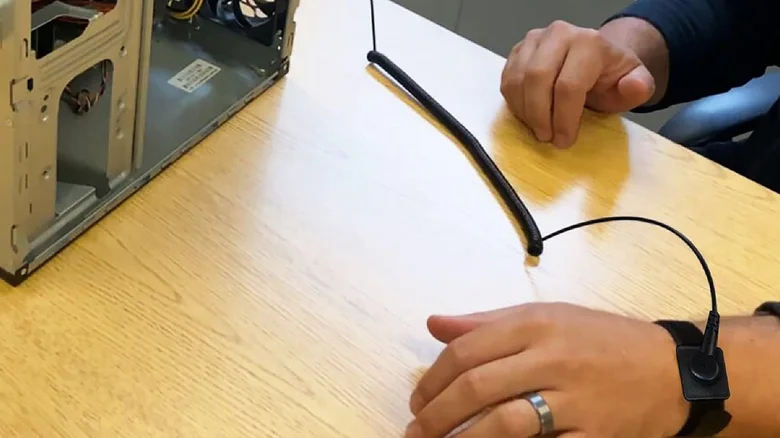
Anti-static wristbands, also known as anti-static wrist straps, provide continuous grounding to safely dissipate static electricity. They contain conductive yarn woven inside the strap, which connects to a wire terminating in an alligator clip. This clip attaches to a grounded, unpainted metal surface such as the chassis of a desktop computer. The strap includes a built-in resistor—often between 1 megaohm (MΩ) and 1000 MΩ—to allow static charge to flow safely without risking shock to the user.
By wearing the wristband, any static buildup on your body travels through the strap and wire, harmlessly draining into the grounded surface instead of discharging into electronic parts. This continuous grounding prevents the buildup and sudden damage caused by ESD during repair or assembly activities.
Grounding Yourself Without a Wristband
While an anti-static wristband provides consistent protection, it is not the only way to ground yourself before working with electronics. You can touch an unpainted grounded metal object periodically to dissipate any static charge. For example, touching the metal computer case or using a grounded screwdriver as a conductor can help.
However, static electricity can accumulate intermittently during extended work sessions. Manually grounding yourself requires frequent conscious contact, which isn’t always practical. An anti-static wristband offers continuous coverage, reducing the risk of accidental discharge and protecting valuable components like CPUs, GPUs, memory modules, and power supplies.
Safety Practices for Working with Electronics
- Always wear an anti-static wristband when performing internal repairs or upgrades on electronic devices.
- Connect the wristband clip to a grounded metal surface, such as the chassis of the device or a grounded workbench.
- Ensure the wristband fits snugly and maintains good skin contact for effective grounding.
- Work on a static-dissipative mat or surface to further reduce static buildup.
- Avoid working on electronics on carpeted floors or in environments prone to high static electricity.
Why Anti-Static Measures Matter
Electrostatic discharge can destroy electronic components instantly or cause latent failures that reduce a device’s lifespan. This risk is why electronics manufacturing and assembly environments mandate wearing anti-static wristbands and sometimes gloves. For hobbyists and technicians, employing these precautions prevents costly mistakes and safeguards delicate hardware investments.
In summary, while touching grounded metal occasionally offers basic protection, a properly used anti-static wristband ensures continuous, reliable grounding. This safeguard is especially important for extended repair jobs, protecting your devices and your investment from invisible but damaging static discharges.