

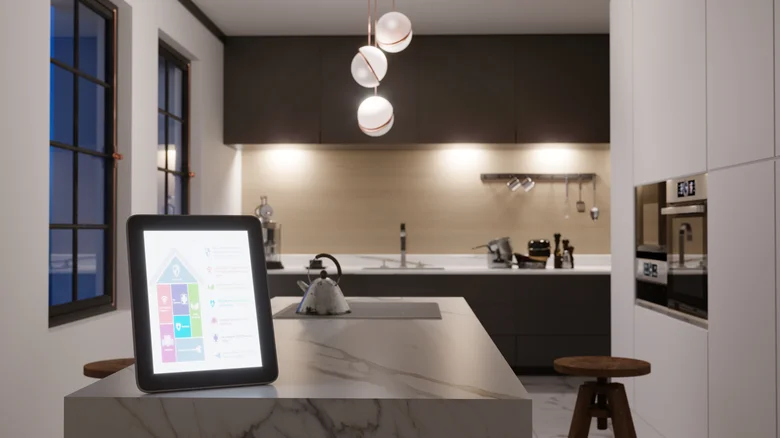
The concept of a smart home, once a futuristic luxury, has matured into an accessible reality for a wide range of households. Advancements in technology and increased market competition have driven prices down, allowing consumers to introduce automation, enhanced security, and personalized convenience without a prohibitive upfront investment. For beginners and budget-conscious enthusiasts, the journey into home automation is no longer about overhauling an entire house at once. Instead, it can be a gradual, modular process centered on affordable devices that deliver immediate, tangible benefits. The key is to start with foundational gadgets that are simple to install, universally compatible, and offer a clear return in terms of both utility and enjoyment. By focusing on these entry points, you can build a responsive, connected environment that simplifies daily routines, improves energy efficiency, and adds an element of modern sophistication to any living space, whether a sprawling house or a compact apartment.
Smart Plugs: The Ultimate Gateway Device
Smart plugs represent the most straightforward and cost-effective method to imbue any room with intelligence. These compact devices plug directly into existing wall outlets, transforming ordinary appliances into remotely controllable smart devices. By connecting a lamp, fan, coffee maker, or space heater to a smart plug, you gain the ability to turn it on or off from your smartphone via a companion app, set schedules for automated operation, or even use voice commands through a smart speaker. This functionality is invaluable for managing energy consumption, as you can ensure electronics are not left idling unnecessarily. Brands like Kasa, TP-Link, and Govee offer reliable models that are frequently available in multi-packs, bringing the per-unit cost down significantly. Starting with a single smart plug for a bedside lamp or living room fixture provides an instant, low-risk introduction to home automation that clearly demonstrates its everyday convenience.
Smart Speakers: The Central Command Hub
A smart speaker serves as the vocal heart of a connected home, eliminating the need to constantly reach for a phone to control other devices. For a modest investment, models like the Google Nest Mini provide rich audio for music and podcasts, answer questions, set reminders, and—most importantly—act as a central interface for your growing smart home ecosystem. With simple voice commands, you can adjust smart lights, query the status of smart plugs, or create routines that trigger multiple actions simultaneously, such as turning off all lights and locking doors when you say “good night.” The Nest Mini, often found on sale, offers improved bass over its predecessor and supports multi-room audio when paired with additional units. This device is powerful enough to stand alone as a useful gadget and becomes exponentially more valuable as you add compatible smart devices, making it a cornerstone of any budget-friendly setup.
Video Doorbells: Enhanced Security and Convenience
A video doorbell merges practical security with a palpable sense of technological enhancement. This device provides a live video feed of your doorstep directly to your smartphone, allowing you to see and speak with visitors, delivery personnel, or packages arriving in real-time, whether you are at home or away. Motion detection alerts offer an early warning system for activity around your entrance, acting as both a deterrent and a monitoring tool. While premium models offer extensive features, entry-level options from brands like Ring, Blink, Wyze, and Eufy deliver core functionality at an accessible price point, often between $50 and $100. These budget-friendly models typically include HD video, two-way audio, and motion alerts, providing substantial peace of mind and convenience without requiring a subscription for basic use, making them a smart and affordable upgrade for any front door.
Smart Bulbs: Ambiance and Automation in Lighting
Lighting profoundly impacts the mood and functionality of a space, and smart bulbs offer an affordable way to master this element. These Wi-Fi-connected bulbs allow you to adjust brightness and color temperature from an app, with many models offering a full spectrum of colors for dynamic ambiance. You can program scenes for different activities—a bright, cool white for focused work, a warm, dim glow for relaxing evenings, or vibrant colors for parties. Scheduling sunrise simulations or automatic shut-off times adds both convenience and energy savings. Individual bulbs can be purchased for very little, and multi-packs from brands like Govee or TP-Link’s Tapo provide even greater value. Unlike complex wired systems, smart bulbs require no special installation; simply screw them into standard fixtures and connect via the app to instantly upgrade any room’s atmosphere and intelligence.
Building a Cohesive and Affordable Ecosystem
The selected products were chosen for their individual merit as accessible entry points and their collective potential to form a cohesive, expandable system. Each device prioritizes ease of setup, typically requiring only a Wi-Fi connection and a smartphone for configuration. Furthermore, they maintain broad compatibility with major smart home platforms like Amazon Alexa and Google Home, ensuring they can work together seamlessly as your system grows. This approach demystifies the smart home, allowing you to start small, experience tangible benefits, and add devices incrementally based on your needs and budget. The goal is not to sell an expensive, all-in-one package but to highlight how a few strategic, affordable purchases can genuinely transform daily life, proving that a sophisticated, responsive home environment is within everyone’s reach.