

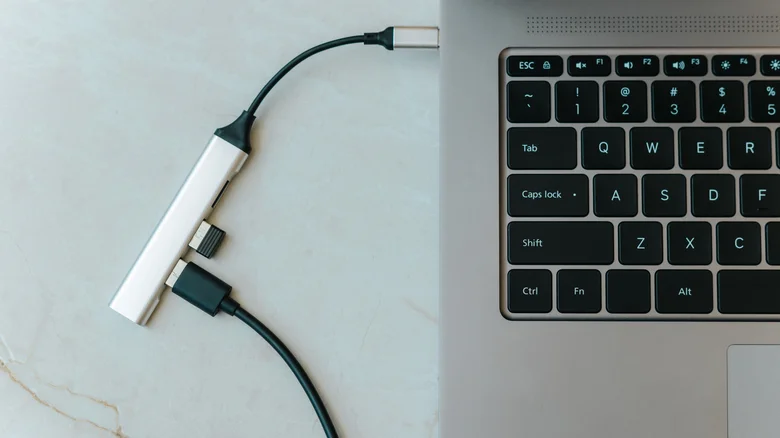
Old hard drives accumulating dust represent both storage clutter and significant data security risks. Before disposal, assess if functional drives can serve alternative purposes like backups, file transfers between systems, or portable boot drives. When repurposing proves impractical or clutter reduction becomes priority, proper disposal requires two critical phases: complete data sanitization followed by physical destruction. Simply discarding drives in trash or basic recycling centers risks exposing personal information, financial records, or professional data to unauthorized recovery.
Why Secure Hard Drive Disposal Matters
Even seemingly harmless files like old photos, documents, or system backups reveal extensive personal details about lifestyles, locations, relationships, and financial habits. Data recovery specialists can extract information from improperly wiped drives, leading to identity theft, corporate espionage, or privacy violations. Regulatory standards like GDPR and industry compliance mandates require verifiable data destruction, making proper disposal essential for individuals and organizations alike.
Step-by-Step Data Wiping Process
- Backup essential files to cloud storage, external drives, or another secure location before beginning.
- Avoid simple file deletion, which only removes directory pointers while leaving data recoverable.
- Use professional data sanitization software (DBAN, Parted Magic, or manufacturer utilities) to overwrite drive with multiple passes of zeros, ones, or random patterns.
- Boot from live USB containing wiping software to ensure complete drive access, bypassing operating system limitations.
- Verify wipe completion through software certification or sector verification tools.
- Perform final drive format after wiping to eliminate any residual filesystem structures.
Physical Destruction Methods by Drive Type
Software wiping alone insufficiently guarantees data security against forensic recovery. Physical destruction renders drives permanently unreadable:
Hard Disk Drives (HDD) Destruction
- Remove drive from computer chassis and disassemble outer casing to access platters.
- Drill multiple holes (3-5 per platter) through magnetic surfaces using power drill with metal bits.
- Bend platters manually or apply strong degausser (HDD only—ineffective on SSDs).
- Take disassembled components outdoors and smash with heavy hammer until platters shatter irreparably.
Solid State Drives (SSD) Destruction
- SSDs require more aggressive destruction due to NAND flash resilience.
- Drill holes through controller chips and memory modules from multiple angles.
- Disassemble drive and smash NAND chips individually with hammer.
- Consider professional shredding services for high-security SSD disposal.
Professional Destruction Alternatives
For businesses or highly sensitive data, certified destruction services provide chain-of-custody documentation and compliance certificates:
- Industrial shredders reduce drives to particle sizes smaller than 2mm.
- Hydraulic crushers apply 7,500+ lbs of force through platter centers.
- Services like Shred-it or Iron Mountain offer audited processes with serialized certificates.
Final Recycling and Disposal Steps
After confirming destruction through visual inspection (platters shattered, chips pulverized), separate components for responsible recycling:
- Deliver pieces to certified e-waste recycling centers accepting HDD/SSD materials.
- Many electronics retailers (Staples, Best Buy) offer free drop-off programs.
- Scrap yards may purchase bulk metal components after data destruction verification.
- Request recycling receipts for personal records or compliance documentation.
Common Mistakes to Avoid
DIY microwaving creates hazardous fumes and electromagnetic interference without guaranteeing data destruction. Basic formatting or single-pass wiping leaves data recoverable by professionals. Placing intact drives in recycling bins risks theft during processing. Never donate or sell drives without verified multi-pass wiping followed by physical destruction verification.
Environmental Responsibility in Drive Disposal
Hard drives contain valuable rare earth metals, copper, aluminum, and recoverable plastics. Certified recyclers separate materials through responsible processes, preventing landfill contamination from hazardous components. Many programs achieve zero-landfill goals while reclaiming materials for manufacturing new drives, closing the circular economy loop effectively.