

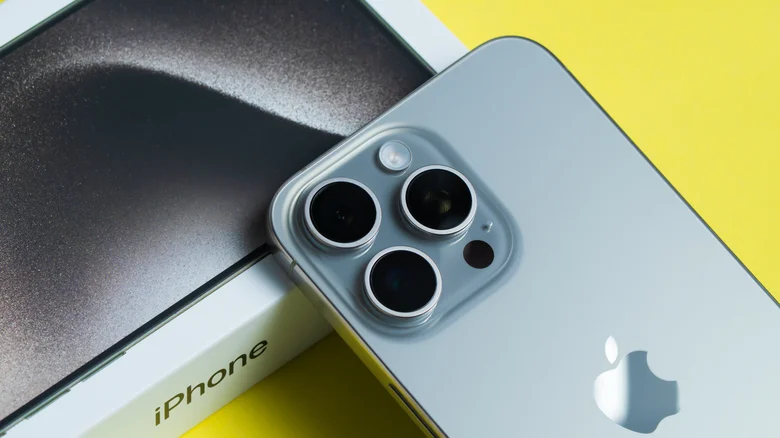
Apple first shook up iPhone displays with the Dynamic Island on iPhone 14 Pro models, turning the front camera cutout into an interactive software feature. Now rumors point to the next big evolution: under-display Face ID sensors arriving as early as the iPhone 18 Pro in 2026. This technology would shrink or potentially eliminate visible cutouts entirely, paving the way for truly edge-to-edge screens while keeping advanced facial recognition intact.
Recent leaks from supply chain sources suggest Apple is actively testing the necessary display components right now. The goal is to tuck the entire TrueDepth camera system — including infrared sensors and projectors — beneath the OLED panel without compromising security or performance. If successful, this could mark the end of the Dynamic Island’s hardware foundation, though the software experience might evolve rather than vanish.
Under-Display Face ID Technology
Placing Face ID under the screen requires clever engineering to let infrared light pass through the display without distortion. Leaks describe a special “spliced micro-transparent glass” layer built into the OLED stack, creating tiny windows that allow the Face ID system’s dot projector and flood illuminator to function normally. These infrared signals map your face in 3D for secure unlocking, even in complete darkness, just like current models.
The challenge lies in maintaining display quality. Any transparency in the panel must not create visible artifacts, brightness dips, or color shifts when viewing content. Apple has reportedly instructed suppliers to ramp up production preparations, signaling confidence in the tech despite past delays. Similar under-panel camera tech already exists in some Android flagships, but integrating a full 3D facial recognition suite like Face ID demands much higher precision.
iPhone 18 Pro Timeline and Models
Expect under-display Face ID to debut exclusively on iPhone 18 Pro and Pro Max models in fall 2026, following Apple’s pattern of reserving cutting-edge display tech for premium tiers. Standard iPhone 18 models will likely stick with traditional pill-shaped cutouts, while rumors swirl about a possible spring 2027 launch for entry-level variants. A foldable iPhone slated for 2027 might skip Face ID entirely in favor of in-display fingerprint sensors.
This staggered rollout gives Apple time to perfect yield rates and pricing before broader adoption. By iPhone 20 in 2027 — marking two decades since the original — analysts predict fully bezel-free displays across the lineup, finally realizing the “no notch” dream that competitors have chased for years.
Dynamic Island’s Future
The Dynamic Island isn’t just a cutout; it’s a software layer that animates around hardware pill or hole-punch cameras to display Live Activities. Music controls, timers, calls, and navigation prompts expand and pulse from the top center, creating a pill that feels alive rather than obtrusive. Rumors conflict on whether under-display Face ID kills this feature: some claim the selfie hole shifts to a corner, others predict a tiny centered punch-hole persists.
Both scenarios could coexist with Dynamic Island. Apple might shrink the visible cutout to a minimal dot while preserving the surrounding interactive zone, or relocate the animation to match a corner camera position. Recent expansions of Live Activities to iPadOS and macOS prove the feature stands independent of specific hardware, relying instead on software APIs that any top-screen real estate can utilize.
How Under-Display Tech Changes iPhone Design
A fully under-panel Face ID system unlocks radical screen real estate gains. No more black bars or segmented cutouts means wallpapers, videos, and games stretch uninterrupted from edge to edge. App icons and status bars could float seamlessly above full-screen content, while True Tone, ProMotion, and always-on display features remain unaffected.
Design-wise, iPhones gain perfect symmetry. Leakers hint at metal frames wrapping continuously around the front, with no top interruption for sensors. This bezel-less aesthetic aligns iPhone with futuristic concepts long teased in patents, positioning it as the premium choice against Android rivals already experimenting with similar tech.
Challenges Apple Must Overcome
Reliability tops the hurdles. Face ID must scan accurately through glass without false rejections or security gaps, even under angled lighting or with glasses and masks. Display manufacturers face pressure to hit mass-production yields above 90% by mid-2026, as any defects inflate costs dramatically.
Battery life and thermal management add layers of complexity. Under-panel components generate heat, and denser pixel stacking could impact efficiency. Apple will likely pair this tech with next-gen LTPO OLED panels featuring 120Hz across all models, plus brighter peaks exceeding 3000 nits for outdoor usability.
Impact on User Experience
Daily iPhone use transforms subtly but meaningfully. Full-screen selfies in FaceTime or Instagram Stories eliminate awkward crops. Gaming and video playback gain precious vertical pixels, while notification glances become distraction-free. Dynamic Island evolves into a more flexible overlay, potentially spanning screen corners or shrinking dynamically based on content.
Accessibility benefits too: larger touch targets across the whole display aid motor-impaired users, and under-panel sensors maintain robust Animoji, Face ID payments, and AR experiences without visual compromises.
Competition and Market Pressure
Samsung and other suppliers push under-display tech aggressively, with Galaxy models already featuring camera-under-OLED demos. Chinese brands like Oppo and Vivo ship production units yearly, forcing Apple to accelerate or risk looking dated. Success here cements iPhone’s display leadership heading into its third decade.
Failure, however, delays the milestone another generation. Past roadmaps slipped LTPO rollout across lineups by years, so tempered expectations remain wise until prototype photos or supply chain confirmations emerge in 2026.