
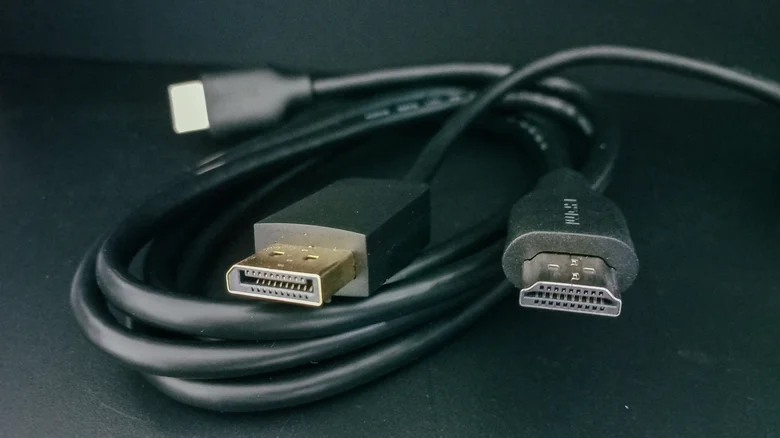
Selecting an HDMI cable for your home entertainment setup should be a simple task, yet the constant evolution of standards can introduce unnecessary confusion. The recent introduction of HDMI 2.2 at CES 2025 is the latest iteration, but for the vast majority of consumers, it does not immediately render existing cables obsolete. The fundamental principle of HDMI technology is backward compatibility, meaning a newer cable will work with older ports, and the cable itself does not force capabilities beyond what the connected devices support. Your television, gaming console, or media streamer dictates the maximum resolution, refresh rate, and feature set; the cable is merely a conduit. Therefore, the most critical step is understanding the specifications of your own equipment by consulting your TV’s manual or model specifications online. Once armed with this knowledge, you can make an informed purchase that balances future-proofing with present needs, avoiding both overpayment for unusable bandwidth and the frustration of a cable that bottlenecks your system’s performance.
Understanding Compatibility and Practical Needs
The core advantage of the HDMI standard is its designed interoperability. Purchasing a cable rated for a higher specification than your current TV supports is a safe and often wise decision, as it ensures the cable will remain functional when you eventually upgrade your display or source devices. For instance, an HDMI 2.1 cable will seamlessly connect to a TV with only HDMI 2.0 ports, operating perfectly within the older standard’s limits. It is also important to note that not all HDMI ports on a single television are created equal; manufacturers often include one or two high-bandwidth ports (labeled for features like 4K/120Hz or eARC) alongside more basic ones. This necessitates plugging high-performance devices like a PlayStation 5 or Xbox Series X into the correct port to unlock their full potential, while peripherals like a basic streaming stick or cable box can utilize any available port. This nuance is more important than chasing the absolute latest cable version.
Evaluating HDMI 2.1 vs. HDMI 2.2
For current and near-future setups, HDMI 2.1 remains the workhorse standard that supports virtually all consumer entertainment needs. It provides ample bandwidth for 4K resolution at high refresh rates up to 120Hz, 8K at 60Hz, and advanced features like Variable Refresh Rate (VRR), Auto Low Latency Mode (ALLM), and enhanced Audio Return Channel (eARC). Cables supporting this widespread standard are now very affordable, often found for under $20. The newly announced HDMI 2.2 standard dramatically increases potential bandwidth, targeting specs like 4K at 480Hz and 8K at 240Hz, which are far beyond the capabilities of any consumer television available today. As a result, HDMI 2.2 cables command a premium price for capabilities that will remain unused for years. Investing in a reliable, certified HDMI 2.1 cable is the most pragmatic choice, offering proven performance for today’s 4K and 8K TVs and next-generation gaming consoles at a reasonable cost.
The Timeline for HDMI 2.2 Adoption
While HDMI 2.2 is finalized, its integration into consumer televisions will be a gradual process. CES 2026 may see the first announcements of TVs with HDMI 2.2 support, but widespread availability is more likely in 2027 or beyond. Initial adoption may focus on niche commercial applications, such as digital signage, advanced simulation, or professional video production, where extreme refresh rates and resolutions are justified. For the living room, the jump to practical benefits from HDMI 2.2 will require not just new TVs, but also new source devices (graphics cards, game consoles) capable of outputting the immense data rates the standard allows. This creates a long adoption cycle. Therefore, purchasing a cable based on the imminent arrival of HDMI 2.2 TVs is premature for almost all buyers.
Key Purchasing Recommendations
When shopping for an HDMI cable, prioritize certified quality over marketing hype. Look for cables that are officially certified by the HDMI Forum, such as those labeled “Ultra High Speed” for HDMI 2.1, which guarantees they meet rigorous performance standards. Length is a practical consideration; for typical home setups under 10 feet, a well-made, certified cable at a moderate price is perfectly adequate. Extremely long runs may require more robust construction to prevent signal degradation. Avoid exorbitantly priced cables claiming miraculous improvements in picture or sound quality—a digital signal either works perfectly or it fails entirely; there is no middle ground for “enhancement.” Finally, consider your upgrade cycle. If you plan to keep your current TV for several more years, a high-quality HDMI 2.1 cable is an ideal solution. If you anticipate purchasing a cutting-edge TV in the 2027-2028 timeframe, you might eventually need an HDMI 2.2 cable, but that purchase can safely be deferred until it is actually required.
In summary, navigating the HDMI cable market requires a focus on your specific devices and a rejection of unnecessary futurism. A certified HDMI 2.1 cable represents the sweet spot of performance, compatibility, and value, fully supporting today’s premium entertainment experiences while remaining ready for the next several years of innovation. By understanding the capabilities of your own equipment and ignoring the buzz around premature standards, you can make a simple, cost-effective choice that delivers flawless performance without complication.