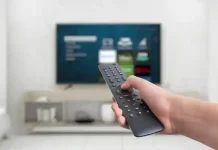

Modern smartphones pack USB-C ports that extend far beyond charging, enabling versatile uses like external storage or direct video output to TVs. This capability turns your phone into a portable media hub, mirroring apps, games, and streams onto larger screens without relying on finicky wireless casting. Adapters like the Anker 310 USB-C to HDMI bridge this gap seamlessly, connecting to standard HDMI inputs on most televisions for lag-free, high-resolution playback that outperforms Bluetooth or Wi-Fi alternatives in reliability.
As streaming services tighten casting restrictions—Netflix notably blocks phone-to-TV mirroring—wired solutions regain prominence. Priced at just $17 with a stellar 4.6-star rating from over 35,500 Amazon reviews, the Anker 310 delivers 4K@60Hz output, supporting everything from soccer matches to mobile gaming. Its compact design slips easily into pockets, making it ideal for travel, presentations, or impromptu movie nights where wireless bandwidth falters.
Key Compatibility Requirements
Success hinges on your device’s DisplayPort Alt Mode support over USB-C, a feature standard on flagships like recent iPhones (15 series+), Samsung Galaxy S/Ultra models, and Google Pixels, but absent from many budget Androids. Verify via settings under “Developer Options” > USB debugging or your manual; iOS users check “Screen Mirroring” availability. Pair with an HDMI 2.0+ cable rated for 4K to avoid signal drops, ensuring crisp visuals even during fast-motion sports.
- Confirm phone supports USB-C DisplayPort Alt Mode.
- Plug Anker 310 into phone’s USB-C port.
- Connect HDMI cable from adapter to TV input.
- Select mirroring/input source on TV remote.
- Phone screen auto-mirrors; adjust orientation as needed.
Users rave about plug-and-play simplicity across ecosystems—no apps or pairing required. iPhone 16 owners stream Apple TV+ flawlessly, Samsung users cast Galaxy-exclusive games, and Pixel fans enjoy seamless YouTube 4K. Minor hiccups arise with unsupported models, but returns handle those effortlessly.
Wired vs. Wireless Mirroring Comparison
| Aspect | Wired (Anker 310) | Wireless (AirPlay/Cast) |
|---|---|---|
| Latency | <1ms (none) | 50-200ms |
| Resolution | 4K@60Hz | Up to 1080p/4K (variable) |
| Setup | Plug-and-play | Wi-Fi network required |
| Cost | $17 one-time | Free (if supported) |
| Reliability | Always stable | Prone to drops/interference |
Beyond Streaming: Everyday Applications
Gamers elevate mobile titles like Genshin Impact to TV scale with controller passthrough, while professionals mirror productivity apps for client demos. Families bypass Netflix DRM by playing downloaded content directly, and travelers connect to hotel TVs sans smart features. The adapter doubles for laptops or tablets, creating a universal docking solution under $20.
Durability impresses: braided cables withstand daily tugs, and aluminum housing dissipates heat during marathons. Amazon feedback highlights longevity—many report years of use—outpacing pricier brands. For multi-room setups, daisy-chain via HDMI switches without quality loss.
As USB-C universalizes, expect broader adoption; even budget phones may add Alt Mode by 2026. Until then, the Anker 310 democratizes big-screen access, reclaiming control from restrictive apps. Pair with a short HDMI extender for wall-mounted TVs, and you’ve got a permanent upgrade. At this price-to-performance ratio, it rivals built-in Chromecast in versatility, proving wired connections endure in wireless eras—reliable, affordable, and future-proof for evolving phone capabilities.