

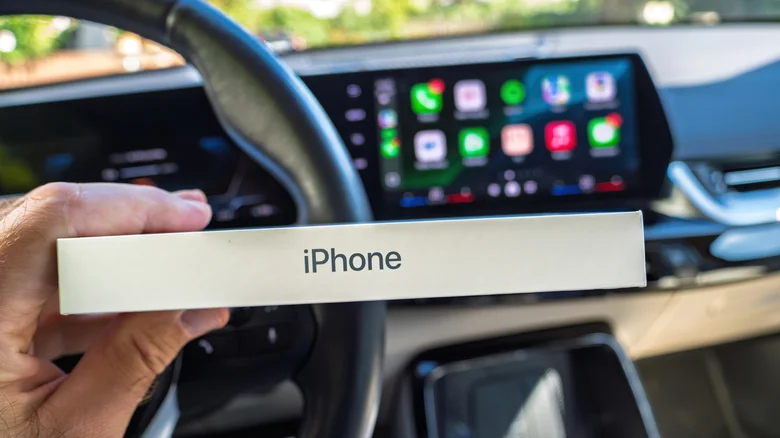
Apple CarPlay transforms vehicle infotainment into an intuitive iPhone extension, projecting Maps, music, calls, and messages across dashboard displays through seamless Bluetooth or USB connectivity that activates instantly regardless of cellular status. Drivers venturing into remote regions, national parks, or international territories frequently encounter zero-bar scenarios where traditional data dependency cripples functionality, yet strategic preloading unlocks substantial offline capabilities across navigation, audio playback, and limited communication. Understanding CarPlay’s dual nature—second-screen mirroring versus standalone app execution—determines survival strategies when terrestrial towers fade and satellite options remain experimental luxuries.
CarPlay’s architecture routes approved apps through the head unit while iPhone handles processing and connectivity, meaning cellular absence impacts data-dependent services universally but cached content persists independently. Essential driving tools like turn-by-turn guidance and hands-free entertainment remain viable through deliberate preparation, while real-time traffic, cloud-synced playlists, and two-way messaging inevitably fail without external connectivity. Modern iOS offline modes plus carrier satellite experiments expand viability, but proactive content management remains foundational for uninterrupted road trips through coverage dead zones.
Communication apps require live cellular connectivity
Hands-free calling and messaging represent CarPlay’s most immediate cellular dependency, as Siri-mediated phone, FaceTime audio, and iMessage transmission demand real-time data exchange between endpoints. Dropped signals halt outgoing calls mid-dial and queue texts undelivered until towers reappear, while incoming notifications cease entirely without carrier handshakes. Voice transcription similarly stalls absent cloud processing, reverting dictated replies to local buffers failing silent dispatch.
Pre-recorded audio memos offer sole offline workaround—playback existing Siri-recorded notes through CarPlay’s audio pipeline—but lacks conversational utility. WhatsApp voice notes persist locally if captured beforehand, yet sending requires connectivity restoration. Emergency roadside assistance numbers may leverage satellite SOS on iPhone 14+, routing 911 through Globalstar regardless of terrestrial coverage, though CarPlay integration remains inconsistent across head units.
Streaming services survive through downloaded content
Apple Music, Spotify, Youcast, Overcast, and Audiobooks bypass connectivity barriers entirely when users preload albums, playlists, podcasts episodes, or chapters through iPhone storage syncing to CarPlay display. Spotify Premium’s offline mode caches Smart Downloads matching commute patterns automatically; Apple Music’s 100,000-track limit spans years without repetition; Podcasts queue episodes indefinitely across Wi-Fi sessions.
Preparation proves essential—100GB music libraries fill rapidly, while podcast binges demand overnight downloads over hotel Ethernet. CarPlay playlists mirror iPhone selections perfectly, shuffle algorithms preserving local metadata without cloud sync. Bluetooth audio quality remains bit-perfect regardless of source, ensuring FLAC masters shine through factory speakers. YouTube Music Premium similarly caches tracks though video streaming blocks universally per safety protocols.
Navigation thrives with offline map preparation
Apple Maps, Google Maps, and Waze offer comprehensive offline functionality transforming dead-zone drives into stress-free journeys when regional tiles download preemptively through Wi-Fi. Apple Maps caches 50km radius city packs covering interstates through mountain passes; Google Maps permits continent-wide downloads balancing detail against storage; Waze community traffic vanishes offline though core routing endures.
Turn-by-turn guidance delivers lane-specific arrows, distance-to-exit readouts, and spoken ETA recalculations using GPS positioning alone, while speed camera databases persist in local storage. Voice guidance operates flawlessly through CarPlay speakers, Siri retaining “Hey Siri, navigate home” responses directing to pre-cached locations. Hybrid preparation proves optimal—download primary routes plus 100km buffers accounting for detours, weather rerouting, or scenic alternatives discovered en route.
Satellite connectivity emerges as backup lifeline
T-Mobile’s T-Satellite with Starlink integration extends CarPlay viability through iPhone 14+ Globalstar hardware, supporting iMessage, SMS, and limited data trickling 1-2Mbps sufficient for Maps refresh or Spotify progressive downloads. Roadside assistance connects universally, while WhatsApp voice notes dispatch slowly through orbital relays. Coverage spans 70% continental U.S. highways though oceanic voyages and dense urban canyons remain blind spots.
Apple’s iOS 26 revamped Siri leverages satellite preferentially during dead zones, routing queries through cached models when terrestrial fails. Carrier roaming consolidates options—prepaid eSIMs activate instantly abroad, passenger hotspots distribute loads evenly, Wi-Fi 7 routers mount permanently solving chronic basement parking blackouts. Preparation hierarchies emerge: primary offline caches, secondary satellite trickle, tertiary hotspot failover ensuring 99% uptime across diverse road conditions.
Strategic preparation ensures dead-zone resilience
Comprehensive CarPlay offline strategy begins nightly Wi-Fi syncing—Maps regions matching calendar trips, Spotify commute playlists, Podcasts daily episodes—yielding terabyte-scale local archives outlasting multi-day isolation. Storage optimization balances 2TB iPhones against cloud backups, while Camera Roll pruning preserves navigation headroom. Vehicle firmware updates enable deeper integration, upcoming CarPlay Ultra promising split-screen Maps/Music persisting across connectivity states.
International travelers activate eSIM profiles pre-flight, preload hemisphere-spanning map packs, cache language audio packs for Siri abroad. Rural commuters schedule satellite firmware updates, mount external antennas boosting Globalstar reception through windshields. Hybrid workflows emerge optimal—primary offline reliability backed by opportunistic connectivity—transforming cellular dependency into occasional luxury rather than existential road trip threat.