
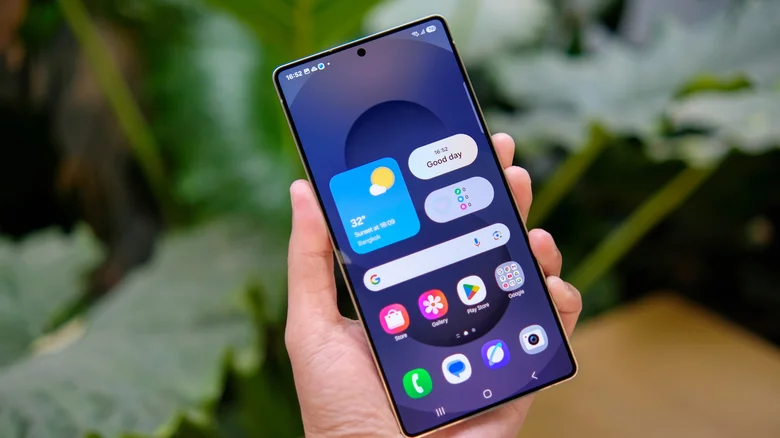
Samsung is poised to unveil the Galaxy S26 series in late February 2026, with artificial intelligence expected to be a centerpiece of the launch event. Building on its early lead with the Galaxy AI platform—introduced before Apple’s Apple Intelligence—Samsung plans to showcase new AI-driven features, including a Bixby-Perplexity assistant designed to rival Google’s Gemini. These innovations aim to enhance user experience across Samsung devices but come amid challenges around component costs that may directly affect device pricing.
Internal Conflict Over Memory Supply
A recent report from SEDaily highlights a growing tension between Samsung’s semiconductor division (Samsung DS) and its Mobile Experience division (Samsung MX) regarding low-power DRAM (LPDDR) supply commitments. Samsung MX, responsible for Galaxy device production, has been seeking a long-term LPDDR supply contract from Samsung DS to stabilize costs ahead of the S26 launch. However, Samsung DS prefers to focus semiconductor resources on high-bandwidth memory (HBM) for AI applications, which offer higher profit margins. This strategic divergence threatens to constrain supply or increase pricing for essential mobile memory components used in the upcoming Galaxy lineup.
Potential Impact on Galaxy S26 Pricing
As Samsung MX grapples with volatile memory prices, the financial pressure is mounting. A 12GB LPDDR5X memory module used in Galaxy phones reportedly cost around $70 in late November 2025, significantly up from approximately $33 earlier in the year. Coupled with a 25% spike in processor costs during Q3 2025 compared to the previous year, these increases contribute to substantial upward pressure on overall smartphone manufacturing expenses. Typically, processors represent about 20% and memory about 15% of smartphone component costs, but price inflation is pushing these figures higher, likely influencing Samsung’s pricing strategy for the Galaxy S26 series.
Contract Negotiations and Supply Guarantees
The two Samsung factions have settled on a short-term three-month contract, which, while standard, falls short of the longer-term agreement desired by Samsung MX. Despite this, they agreed on a minimum supply volume for 2026, providing some reassurance that memory chip shortages will not critically impact production. Nevertheless, the lack of long-term pricing stability leaves Samsung vulnerable to continued cost fluctuations, with analysts expecting device prices—especially for the Galaxy S26 Plus and Ultra variants—to rise accordingly.
Competitive Pricing Pressures
Samsung reportedly aims to match Apple’s $799 base price for the entry-level iPhone 17 with the Galaxy S26 base model, reflecting intense market competition. However, sustained jumps in memory and processor costs may force price increases for premium S26 models despite these ambitions. This pricing challenge underscores the complex balancing act Samsung faces between maintaining competitiveness and managing manufacturing costs in a volatile semiconductor landscape.
Key Considerations for Consumers
- Expect the base Galaxy S26 model to hit a competitive entry price similar to Apple’s latest iPhone 17.
- Understand that Galaxy S26 Plus and Ultra variants may come with higher price tags due to component cost inflation.
- Be aware of the potential influence of AI-integrated features driving new device functionality alongside pricing adjustments.
- Monitor how Samsung manages supply chain negotiations, which could affect availability and pricing volatility.
- Consider evaluating alternative flagship options as Samsung balances advanced hardware costs with market pressures.
Looking Ahead: Samsung’s Strategy for 2026
Samsung’s internal memory supply dynamics reflect broader industry trends where AI boosts demand for specialized, high-margin memory components, challenging mobile division needs. The Galaxy S26 launch will test Samsung’s ability to deliver cutting-edge AI features while managing component cost inflation and competitive expectations. How Samsung navigates these pressures will shape not only pricing but its positioning in the high-end smartphone arena against Apple, Google, and other competitors.