

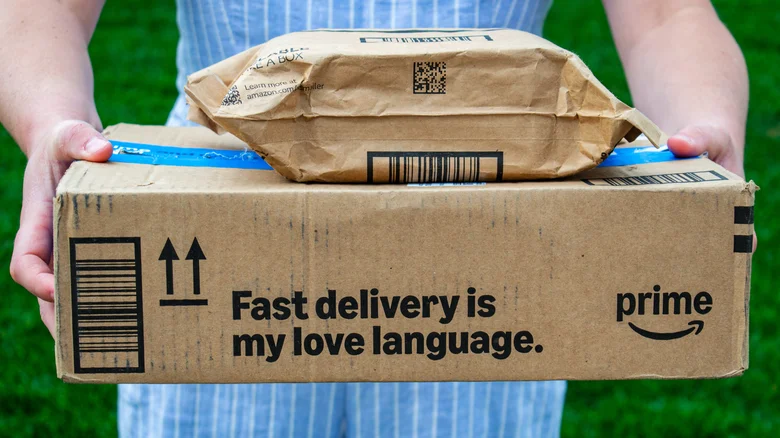
As the holidays approach, millions of people are turning to Amazon for fast shipping, great deals, and last-minute gifts. Unfortunately, it’s also peak season for **online scams and impersonation fraud**, and cybercriminals are taking advantage of eager shoppers. Over the past few weeks, Amazon users have reported a growing wave of scam attempts involving fake customer service calls, fraudulent order confirmations, and deceptive links posing as Amazon notifications.
The e-commerce giant is well aware of the issue and has launched a wide-scale campaign to inform and protect customers. According to Christy Vargas from Amazon’s public relations team, the company is “continuing to invest in consumer protection” and is urging users to report suspected scams immediately. This effort aligns with a recent **FBI warning about account takeover fraud (ATO)** — schemes where attackers impersonate official representatives to steal money or personal data.
The Surge in Amazon Impersonation Scams
Impersonation scams, where fraudsters pretend to represent Amazon or other trusted companies, have become one of the most common holiday threats. Typically, scammers contact victims through calls, texts, emails, or social media and create a sense of urgency to get them to act quickly. They might claim there’s an issue with your order, that your account has been compromised, or that you’re due for a refund.
In reality, the goal is always the same — to **trick users into sharing confidential details** such as passwords, payment information, or verification codes. Some scams even direct victims to realistic-looking fake websites to steal login credentials. According to a **Federal Trade Commission (FTC)** report published in May 2024, there were nearly **34,000 cases of Amazon impersonation** in the previous year, making it one of the top three brands targeted by criminals, alongside Best Buy and PayPal.
Common Red Flags Shoppers Should Recognize
Whether you’re shopping on your phone or desktop, vigilance is your best defense. If something feels off, it probably is. Scammers often rely on fear or excitement to make you act without thinking. Below are key warning signs that a message or call isn’t from Amazon:
– Messages or notifications that demand **urgent action** — especially warnings about account suspension or suspicious activity.
– Requests for **personal information** such as passwords, social security numbers, or payment details.
– Requests for **payment using gift cards, wire transfers, or cryptocurrency**.
– **Unfamiliar URLs or suspicious attachments** claiming to be Amazon invoices or shipping labels.
– **Order confirmations or refund notices** for items you didn’t purchase.
If you’re unsure about an alert, open your official Amazon app or website independently — don’t click links from messages. You can verify all genuine orders and account changes directly through your account dashboard.
How Scammers Exploit the Holiday Rush
Scammers know that between November and December, online traffic hits record levels, and consumer attention spans drop. They use this distraction to bypass basic caution. Phishing links disguised as “delivery updates” or “order delays” are particularly effective because shoppers expect frequent notifications this time of year.
Some cybercriminals also clone Amazon’s design language perfectly, from its logo to email templates, making fake messages nearly indistinguishable from legitimate ones. In other cases, fraudsters deploy **automated chatbots or spoofed phone systems** that sound convincingly official, catching even experienced users off guard.
How to Protect Yourself from Amazon Scams
Protecting yourself requires awareness and a few simple steps that anyone can follow. Remember these practices to ensure safe online shopping:
– Always **log into Amazon directly** instead of following links from unsolicited messages.
– **Enable two-step verification** on your Amazon account for an extra layer of security.
– **Never pay for anything outside Amazon’s checkout system** — the company never asks for gift card payments or external transfers.
– If you receive a suspicious message or call, **block the sender** and report it immediately.
– Regularly **check your bank and credit statements** for unusual charges.
These preventive measures can drastically reduce the risk of falling victim to impersonation fraud during the holidays and beyond.
Amazon, FBI, and Tech Industry Join Forces
Amazon’s campaign aligns closely with the FBI’s recent public service announcements regarding ATO scams. The bureau emphasizes that the tactics criminals use against online shoppers are the same ones seen in fake tech support and banking fraud cases. The company’s educational outreach not only helps its own users but also raises awareness about **digital hygiene across all platforms**.
Meanwhile, other tech leaders are reinforcing these efforts. Apple’s security updates to iOS 26 include enhanced spam detection features for texts, and Google has integrated new filters to flag fraudulent messages. These updates create a safety net for mobile shoppers, but human caution remains the best defense.
Comparing Major Holiday Scam Tactics
| Scam Type | Method of Contact | Primary Goal | Prevention Tip |
|---|---|---|---|
| Amazon Impersonation | Text, email, phone | Obtain account or payment details | Verify directly in your Amazon account |
| Phishing Refund Claims | Email or chatbots | Trick users into entering credentials | Never click links in refund messages |
| Gift Card Payment Fraud | Calls or texts | Collect serial numbers from prepaid cards | Amazon never requests gift card payments |
| Fake Delivery Alerts | SMS or social media | Install malware or steal login info | Use official tracking pages only |
Staying Safe This Season
If you suspect you’ve received a scam message, **do not engage**. Instead, document the incident by taking screenshots and saving emails for verification. Send the evidence to Amazon’s official inbox for fraudulent activity and consider filing a complaint through the FTC’s fraud reporting portal.
Even if you’ve lost no money, reporting helps protect others from being targeted. Awareness spreads protection — the more consumers stay informed, the less power scammers have during the busiest shopping season of the year.
Ultimately, Amazon’s holiday message is clear: your best defense against fraud isn’t technology — it’s **staying alert, skeptical, and smart** about the messages landing in your inbox this festive season.