
Streaming sticks have revolutionized how we enjoy content by turning any TV, smart or non-smart, into a gateway to countless streaming apps. Two leading contenders in this market are Amazon Fire TV Stick and Roku Streaming Stick. Both offer a range of affordable models from basic HD streaming to advanced 4K devices with enhanced features. Deciding which to pick largely depends on your preferences for user interface, ecosystem integration, available content, and privacy concerns.
Amazon Fire TV Stick: Ideal for Alexa Smart Home Users
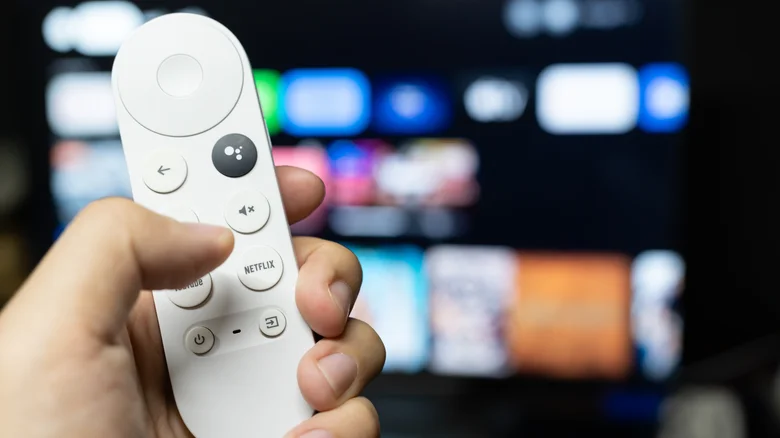
If your home is equipped with Alexa-enabled smart devices, the Amazon Fire TV Stick provides seamless integration that can enhance your daily experience. The Fire TV Stick’s Alexa Voice Remote allows voice control not just for entertainment, but also for smart home functions like adjusting lights, viewing security cameras on compatible displays, playing music, or even ordering food—all hands-free while watching TV.
Apart from controlling smart devices, Fire TV provides access to top streaming platforms, live TV subscription services like Sling TV and YouTube TV, and advanced voice search functionalities. You can command Alexa to find specific movies or shows or simply ask for a genre or actor recommendation, making content discovery intuitive and fun.
However, it’s important to note that Amazon’s more recent policy updates have limited Fire TV’s ability to sideload third-party or unofficial apps, curbing previous flexibility that was attractive to some users seeking varied streaming sources beyond the official app store.
Roku Streaming Stick: A User-Friendly Experience with Extensive Channels
Roku is widely praised for its clean, straightforward interface that appeals to a broad audience. Alongside access to all popular paid and free streaming services, Roku offers over 200 free channels, including original shows, live news, sports, and weather updates through Roku Channels—an added value many users appreciate.
Connecting a Roku Streaming Stick is simple and hassle-free, with an easy-to-use Roku Voice Remote that includes TV controls. For those who prefer private listening, select models support Bluetooth headphone connectivity, which can be a major plus for households with varying schedules or for students needing quiet study environments.
Like Fire TV, Roku devices are relatively inexpensive, partly because of data collection practices. Roku’s privacy policy indicates they gather user information such as search histories, voice data, and viewing habits. This data may be shared with advertisers and third parties to help tailor marketing efforts. Although privacy controls exist, users should be aware of this tradeoff when choosing Roku.
Making the Right Choice: Factors to Consider
- Smart Home Ecosystem: If you already use Alexa devices extensively, Amazon Fire TV Stick integrates more deeply with your smart home setup.
- User Interface Preferences: Roku’s simpler and cleaner UI is preferred by many for ease of navigation and content discovery.
- Content Variety: Roku’s expansive free channel lineup offers unique value beyond major subscription services.
- Privacy Considerations: Both platforms collect user data, but Roku’s approach is more explicit about third-party sharing.
- App Flexibility: Fire TV’s restrictions on sideloading may influence power users who want unofficial app options.
- Additional Features: Bluetooth headphone support on Roku models versus Alexa-enabled smart controls on Fire TV.
Both Amazon Fire TV Stick and Roku Streaming Stick deliver strong streaming performance and affordability. Your personal priorities around smart home integration, UI design, privacy, and content channels will guide the best choice for your entertainment setup.