

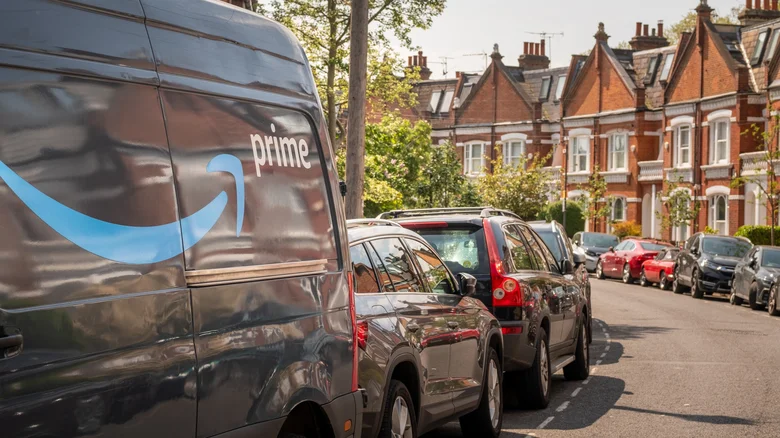
Delivery mishaps grab headlines when they veer into the bizarre, like Best Buy’s infamous rocks-for-graphics-card scam or Amazon’s latest controversy involving a missing family pet. On December 11, an Amazon Flex driver allegedly scooped up a beloved cat named Piper after dropping off a package, sparking outrage and a frantic search. Captured on home surveillance, the incident unfolded in plain view, highlighting vulnerabilities in gig delivery models where quick judgments can lead to heartbreaking consequences. While the driver claimed he mistook the microchipped indoor-outdoor cat for a stray, the family’s devastation underscores the emotional stakes beyond mere packages.
These stories expose cracks in logistics giants’ oversight, where independent contractors wield significant autonomy amid high-volume routes. Amazon’s swift response—terminating the driver and cooperating with authorities—aims to contain fallout, but Piper’s ongoing absence leaves a family grieving twice over following the 2019 loss of their father.
The Heartbreaking Incident Unfolds
Surveillance footage reveals the sequence at 6:00 p.m.: the driver completes delivery, spots Piper, pets her briefly, then grabs the resisting cat despite hisses and claws. He carries her to his truck, vanishing into the evening. Diane Huff-Medina, mother of three boys, posted the video on Facebook, pleading: “An Amazon delivery person took our cat… We just want her back home safely.” Adopted months after her husband’s fatal accident, Piper became a vital comfort; her sons remain “devastated,” repeatedly asking for updates.
Diane filed a police report on December 15 with the Los Angeles County Sheriff’s Department. The driver confessed, insisting he intended to help a stray, but Piper escaped en route—leaving her whereabouts unknown. No arrests yet, though misdemeanor charges loom pending investigation.
Amazon’s Response and Broader Implications
Amazon issued a statement to People: “This was a horrible act, and we’ve apologized to Ms. Huff-Medina. The Amazon Flex delivery partner is no longer eligible… We’re supporting the Sheriff’s investigation.” Termination from Flex blocks future gigs, but critics question vetting rigor for contract workers handling sensitive home deliveries.
Flex’s decentralized model empowers drivers with flexibility but risks inconsistent standards. Past scandals—porch thefts, package tampering—prompted tracking tech like Riverdale’s camera mandates, yet animal encounters remain rare outliers. Microchipping aids recovery if Piper surfaces at shelters, but collar absence complicated immediate ID.
Protecting Pets During Deliveries
Pet owners can minimize risks with proactive steps:
– Install visible “Pet Inside—No Trespassing” signs.
– Equip cats/dogs with collars displaying phone numbers alongside chips.
– Use motion-activated cameras (Ring, Nest) for real-time monitoring.
– Schedule deliveries during pet-free hours or opt for lockers/secure drops.
– Train pets to retreat indoors on doorbell cues.
Communities rally via Nextdoor posts and flyers, boosting reunion odds—Piper’s story has amplified calls for driver training on property boundaries.
Delivery Service Accountability Comparison
| Service | Worker Model | Response Time to Incidents | Tech Safeguards |
|---|---|---|---|
| Amazon Flex | Independent Contractors | Immediate termination | App tracking, cameras encouraged |
| UPS/FedEx | Employees | Investigation + discipline | GPS, body cams in trials |
| Instacart/DoorDash | Gig Workers | Deactivation | Photo verification |
Community Search and Hope Ahead
Huff-Medina’s boys cope through drawings and bedtime stories of Piper’s return, while locals distribute flyers in parks and vets. Social media amplifies reach, with #BringPiperHome trending locally. Sheriff’s updates promise ongoing patrols near the site.
This saga reminds of pets’ irreplaceable roles in healing grief—Diane adopted Piper amid unimaginable loss, forging unbreakable bonds. Amazon’s apology and cooperation offer cold comfort; true closure demands Piper’s safe return. Delivery evolves with AI routing and biometrics, but human elements persist, demanding empathy alongside efficiency. Families watch doorsteps warily, hoping vigilance prevents repeats.