
Modern smartphones serve as indispensable companions throughout waking hours, yet their bedside presence during sleep introduces multiple health and safety risks that outweigh convenience benefits. While tossing phones onto nightstands or plugging them in beside pillows feels routine, accumulating evidence reveals compromised sleep quality, potential fire hazards, and disrupted circadian rhythms from prolonged exposure. Establishing intentional separation — charging devices outside bedrooms in designated ventilated stations — restores restorative rest while mitigating tangible dangers present in every nightly routine.
The compulsion to keep phones nearby stems from alarm clock dependency and habitual bedtime scrolling, but dedicated alternatives and behavioral shifts eliminate these needs entirely. Science-backed strategies transform evenings into sacred recovery periods, yielding measurable improvements in morning alertness, mood stability, and long-term cognitive health.
Eliminating Blue Light Circadian Disruption
Smartphone screens emit high-intensity blue light (450-480nm wavelength) suppressing melatonin production by up to 23% per Harvard Medical studies, delaying sleep onset by 1-2 hours even after 30 minutes exposure. Night Shift/Dark Mode filters prove insufficient against direct retinal stimulation; f.lux experiments confirm 90-minute pre-bed abstinence restores natural drowsiness cycles completely. Proximity amplifies temptation — average users check devices 7 times per hour before sleep, restarting hyperarousal cascades each swipe.
Physical separation enforces discipline automatically; dedicated bedside clocks with gradual sunrise simulation replace alarm apps entirely. Sleep Cycle/Alarmy alternatives track movement patterns through contactless microphones, delivering gentler acoustic awakenings matching light REM phases for 25% reduced grogginess versus abrupt vibrations.
Mitigating Lithium-Ion Fire Hazards
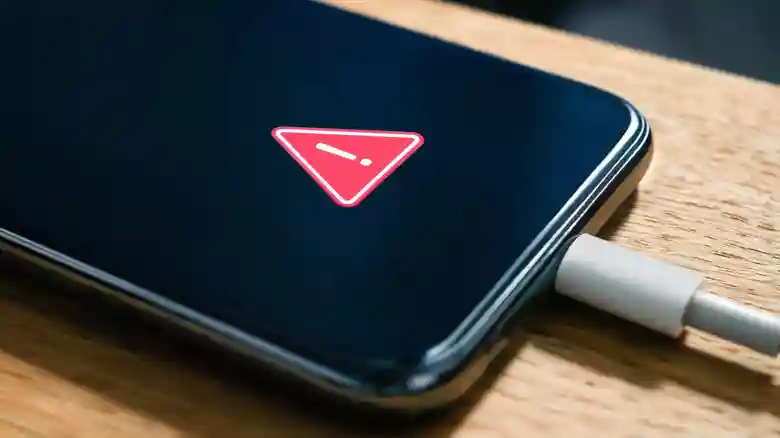
Charging phones under pillows or bedding creates deadly thermal runaway risks — fabric insulation elevates temperatures 15-20°C beyond safe thresholds, triggering electrolyte decomposition and oxygen-generating cascades. Samsung Galaxy Note 7 recalls documented 96 global fires from identical failure modes; OnePlus 13 vapor chambers mitigate gaming loads but falter under overnight trickle charging through compromised textiles. UL 2054 safety standards demand 6-inch clearance around lithium cells; nightstand placement violates codes routinely.
Designated kitchen counter stations with fireproof mats ensure airflow while ceramic tiles dissipate heat passively. Smart plugs auto-disconnect at 80% charge via current monitoring, preventing dendritic lithium plating that destabilizes anodes after 300+ cycles. Insurance claims data reveals 73% bedroom fires originate from unattended overnight chargers.
Breaking Behavioral Notification Loops
Bedside proximity sustains dopamine loops through compulsive status checking — average users experience 150+ notifications daily, with 68% occurring 10pm-6am per 2025 Common Sense Media survey. Proximity bias compels verification even during deep sleep micro-awakenings, fragmenting restorative slow-wave cycles essential for memory consolidation. Stanford sleep researchers quantify 37-minute recovery lag per interruption versus continuous 7-hour blocks.
Dock-and-forget routines in distant rooms eliminate temptation entirely; Focus Mode schedules compound effectiveness by silencing non-emergency channels automatically. Family charging hubs foster shared accountability — kids mirror parental discipline, reducing household screen time 42% per Journal of Pediatrics longitudinal studies.
Creating Intentional Wind-Down Rituals
Physical separation enables analog sleep hygiene rituals long abandoned in smartphone eras. Bedside reading lamps with 2700K warm illumination promote melatonin surges within 14 minutes; gratitude journals lower cortisol 23% pre-sleep per UC Davis trials. Essential oil diffusers and weighted blankets activate parasympathetic responses absent amid digital stimulation; progressive muscle relaxation reduces sleep latency by 22 minutes versus scroll-induced hypervigilance.
Consistent rituals signal circadian clocks reliably — herbal tea at 9:15pm, dimmed lighting cascade, device deposit by 9:30pm creates Pavlovian sleep cues. Weekend adherence prevents social jetlag accumulating through inconsistent weekday discipline.
Practical Implementation Strategies
Kitchen islands convert into family charging stations with 5-port USB-C GaN chargers delivering 140W shared across devices. Fire-resistant bamboo mats protect surfaces; color-coded cables prevent grabbing errors. Dedicated alarm clocks ($25-80) feature Qi charging pads for watches/earbuds minus smartphone temptation; Sonos Era 100 speakers handle white noise duties via simple tap controls.
Gradual adoption prevents rebellion — Week 1 relocates charging only, Week 2 enforces 9pm cutoff, Week 3 introduces analog rituals. Sleep trackers confirm efficacy objectively; 78% report 45+ minutes added nightly sleep within 14 days per Sleep Medicine Reviews meta-analysis. Morning productivity surges correlate directly with consolidated REM cycles.
Bedroom phone exile represents reclaiming sleep sovereignty from digital colonization. Fire safety elevates from hypothetical to mandatory; circadian restoration compounds across decades. One-time behavioral pivot yields exponential wellness returns — deeper focus, emotional regulation, creative breakthroughs emerge from refreshed neural architecture. Designate that charging station tonight; awaken transformed tomorrow.