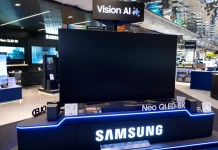

New smart TVs dazzle out of the box with vibrant factory settings optimized for showroom appeal rather than home viewing. These artificially boosted pictures — oversaturated colors, crushed shadows, and exaggerated sharpness — create unrealistic expectations that clash with living room realities. Proper calibration transforms eye-catching demonstrations into accurate, comfortable images tailored to your lighting, seating distance, and content preferences. While professional calibration employs colorimeters and pattern generators for ISF standards, DIY methods using built-in menus, free test patterns, and careful observation deliver 80-90% improvement accessible to anyone.
Calibration fundamentals balance core parameters — brightness, contrast, color temperature, sharpness, and motion processing — matching director intent across movies, sports, and gaming. Your eyes serve as final judge from primary seating position; involve household viewers for consensus. Neutral starting presets and sequential adjustments prevent cascading errors, ensuring repeatable results documented for resets or mode switching.
Gathering Essential Test Materials
YouTube hosts comprehensive calibration playlists from AVS Forum, RTINGS, and HDTVTest featuring SMPTE bars, PLUGE patterns, color sweeps, and sharpness grids. Search “TV calibration patterns 4K HDR” for Dolby Vision/10+ variants; pause videos to eliminate overlays. Streaming services offer alternatives: Netflix’s “Calibration” title under Test Patterns, Disney+’s THX optimizer, or 4K Discs like Spears & Munsil UHD Benchmark.
Ambient lighting matters critically — daytime calibration suits bright rooms with windows, while evening setups favor dimmed lamps matching movie nights. Sit at ear-level distance (1.5-2x screen width) perpendicular to center; enlist multiple viewers for averaged preferences. Document baseline factory settings via photo before changes.
Selecting Optimal Picture Preset
Factory “Dynamic/Vivid” modes inflate brightness/sharpness for stores; switch to “Cinema/Filmmaker/Movie” presets closest to 6500K D65 reference standard. These disable motion interpolation, aggressive sharpening, and dynamic contrast by default. Samsung’s “Filmmaker Mode,” LG’s “Cinema Home,” Sony’s “Custom” provide neutral canvases; TCL/Hisense Google TVs auto-activate via content metadata.
Deactivate enhancements universally: Energy Saving (forces dimming), Ambient Light Sensor (chases room changes), Motion Smoothing (Soap Opera Effect), Digital Noise Reduction (softens detail), and Dynamic Color/Contrast. Pure mode enables accurate tweaking without algorithmic interference.
Sequential Picture Adjustment Protocol
Begin with black level/brightness using PLUGE pattern (Picture Line-Up Generation Equipment): darkest bars should blend imperceptibly into black background without crushing shadow detail. Shadows reveal texture (facial stubble, fabric folds); overly bright reveals distracting noise. Contrast follows via white window patterns: brightest windows retain detail without blooming; 2-5% clipping normalizes peaks.
Color temperature targets 6500K neutrality via gray ramp/smiley face tests — skin tones natural (not orange/purple), whites paper-like. Saturation sweeps balance primaries/secondaries; oversaturated reds bleed, undersaturated grays muddy. Tint (hue) centers greens/reds using flesh tone charts. Sharpness sliders reveal edge halos at 50+; optimal 0-20 preserves texture without artifacts.
Advanced Settings and Content Optimization
Color Management System (CMS) on midrange+ TVs fine-tunes primaries/secondaries post-basics; two-point/four-point grayscale corrects tint shifts. Gamma curves (2.2 daytime, 2.4 evening) match room light; HDR tone mapping (Static/Dynamic) balances highlights/shadows in Dolby Vision/HDR10+. Gaming modes prioritize low latency (5-10ms), enabling VRR/ALLM; Sports modes boost motion processing selectively.
Validate across sources: Blu-ray sharpness differs from streaming compression; cable lag varies. Create custom modes per use — Movie (accurate), Vivid (sports), Game (responsive) — switching via universal remote macros. Annual recalibration accounts for panel aging; warmer temperature drifts require periodic gray scale tweaks.
Maintenance and Documentation Best Practices
Photograph final settings across inputs/modes; spreadsheet baselines facilitate resets post-firmware updates crushing calibration. Ambient changes demand seasonal adjustments — brighter summer settings combat window glare. Professional touch-up every 2-3 years verifies accuracy as phosphors age unevenly.
DIY calibration democratizes reference-quality imaging without $500+ service calls. Balanced pictures reveal director intent — nuanced shadows in “Oppenheimer,” vibrant explosions in “Dune” — elevating entertainment beyond showroom gimmicks. Invest 30 minutes; reap daily rewards through fatigue-free viewing optimized precisely for your space.