

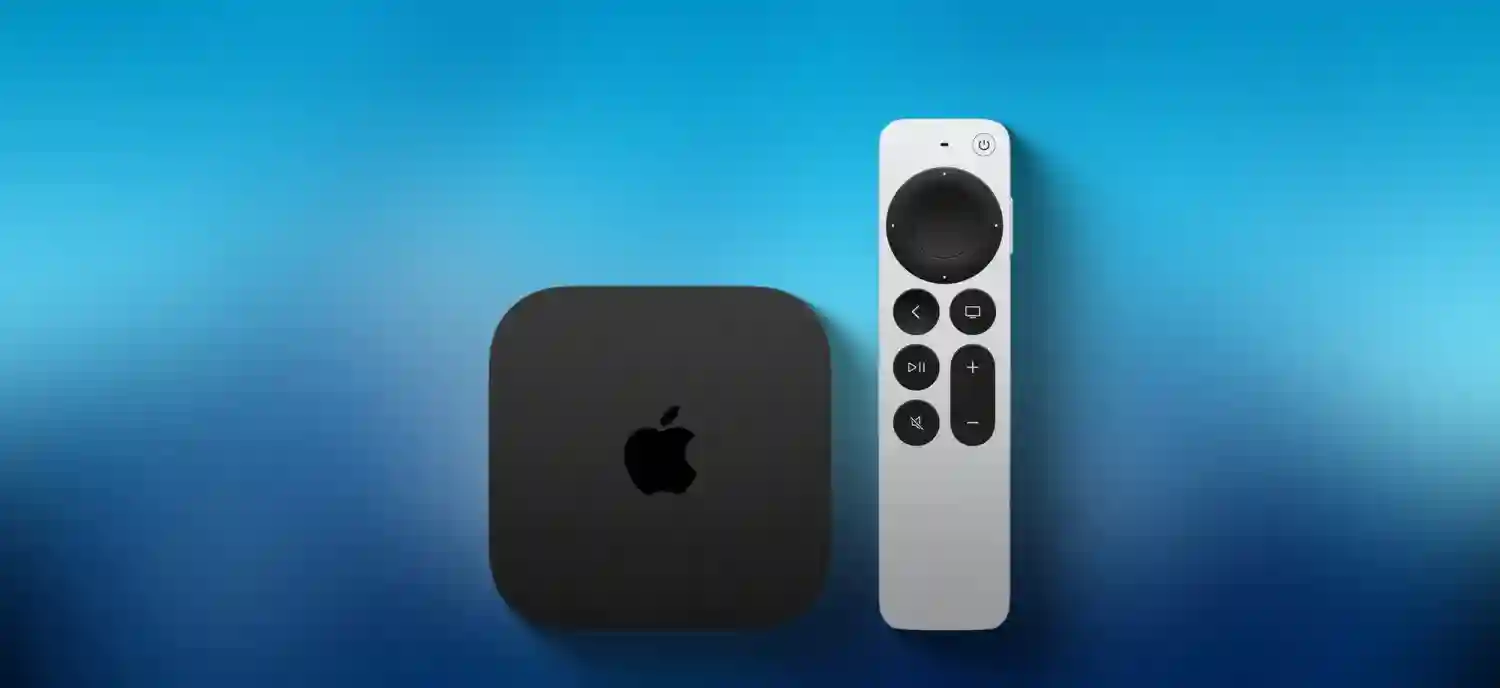
Apple’s set-top box has firmly established itself as a premium conduit for streaming entertainment and smart home integration. The current model, the 2022 Apple TV 4K, remains a formidable device with its A15 Bionic chip, up to 128GB of storage, and the versatile USB-C Siri Remote. It delivers a seamless, high-fidelity gateway to streaming services, Apple Fitness+, Apple Music, and even gaming with support for popular console controllers. However, the landscape of home entertainment is perpetually evolving, and Apple is poised to redefine its hub once again. As the company aligns its services under a unified “Apple TV” brand and invests heavily in its smart home ecosystem, all signs point to 2026 being a pivotal year. The anticipated hardware refresh is expected to bring significant internal upgrades that could transform the Apple TV from a powerful streamer into the central nervous system of an intelligent home, leveraging advancements in processing power, artificial intelligence, and wireless connectivity.
A Leap Forward in Processing Power
The core of the next-generation Apple TV is rumored to receive its most substantial performance upgrade in years. Industry reports suggest Apple is planning to equip the new model with the A17 Pro chip, the same processor found in the iPhone 15 Pro and the latest iPad mini. This represents a major leap from the current A15 Bionic, promising dramatically faster CPU and GPU performance alongside a Neural Engine that is up to twice as fast. Such a boost would make the device exceptionally responsive for navigation, more capable for demanding games from Apple Arcade, and ready to handle advanced video and audio processing for emerging media formats. Crucially, this increased computational muscle is not merely for entertainment; it lays the essential foundation for the device to manage more complex smart home automation and potentially run sophisticated on-device AI features, positioning it as a truly capable home hub.
Enhanced Memory and the Dawn of Apple Intelligence
A more powerful processor would logically be paired with increased system memory. Speculation indicates the new Apple TV could see its RAM upgraded to 8GB, a move that aligns with the minimum requirements for Apple Intelligence, the company’s pervasive AI platform. While an Apple TV would not necessarily employ generative AI tools for writing or image creation, the enhanced RAM would be critical for a revitalized, more capable version of Siri. An Apple TV with Apple Intelligence could process voice commands with far greater context and understanding, manage intricate smart home routines proactively, and offer more personalized content recommendations. Furthermore, the additional memory would significantly improve multitasking, allowing for smoother switching between apps and background processes, ultimately creating a more fluid and intelligent user experience that extends well beyond simple video playback.
The N1 Chip and Next-Generation Connectivity
Beyond the central processor, Apple may integrate its proprietary N1 wireless chip into the new Apple TV. First introduced in the iPhone 17, the N1 chip supports the latest connectivity standards, including Wi-Fi 7 and Bluetooth 6.0, and offers enhanced reliability for functions like Thread—a low-power mesh networking protocol vital for modern smart home devices. Incorporating this chip would future-proof the Apple TV, ensuring faster, more stable wireless connections for streaming high-bitrate 4K HDR content and providing a more robust backbone for a household full of connected accessories. Additionally, users have long awaited a Siri Remote equipped with a Precision Finding feature, similar to AirTags, and the N1 chip’s capabilities could finally make this a reality, ending the perennial search for the missing clicker in the couch cushions.
Strategic Evolution of the Streaming Platform
Hardware advancements will be complemented by strategic shifts in the Apple TV streaming service itself. Apple has aggressively moved into sports, securing rights for Major League Baseball, Major League Soccer, and becoming the official U.S. streaming partner for Formula 1. A more powerful Apple TV 4K could serve as the exclusive platform for advanced viewing features like multi-camera angles, real-time stats integration, and enhanced interactive experiences, adding unique value to the hardware. This synergy between service and device is intentional, aiming to create an unparalleled ecosystem where the best experience for Apple’s original content, especially live sports, is delivered through its own hardware, thereby driving subscriptions and device adoption simultaneously.
Should You Wait for the New Model?
For those considering an Apple TV purchase, the decision hinges on timing and priorities. The 2022 model remains an excellent device that outperforms most built-in smart TV systems and offers deep integration with the Apple ecosystem. If acquired as a gift or found at a significant discount, it is a worthwhile investment. However, for buyers planning a new purchase in the coming months, patience is advisable. The anticipated 2026 model, potentially arriving in the first half of the year, is expected to deliver substantial improvements in speed, intelligence, and connectivity at a possibly similar or even more attractive price point. It is poised to be the centerpiece of Apple’s renewed smart home strategy, potentially launching alongside new HomePod speakers and other accessories. Waiting for this next iteration promises not just a better streaming box, but a more capable and intelligent hub for the future of the connected home.