

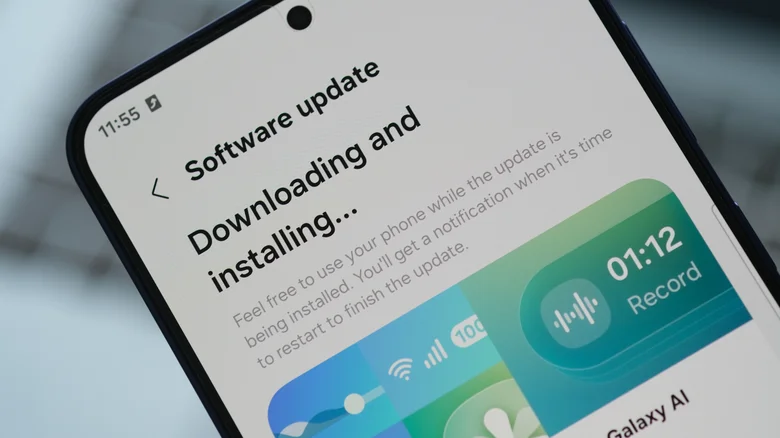
In an increasingly interconnected digital ecosystem, maintaining the security of our personal devices is paramount. Smartphones, which serve as repositories for sensitive communications, financial information, and personal data, are constant targets for malicious actors seeking to exploit software vulnerabilities. Google, as the steward of the Android operating system, addresses these threats through a rigorous schedule of monthly security updates. The December 2025 security patch, released on December 5th, stands as a critical defense mechanism, addressing a substantial 107 distinct vulnerabilities across the platform. This comprehensive update underscores the ongoing battle between platform security and emerging cyber threats, highlighting the non-negotiable importance of regular system maintenance for every Android user, regardless of their device manufacturer or model.
Dissecting the December 2025 Security Patch
The latest security bulletin from Google details a wide array of fixes, targeting flaws at every layer of the Android software stack. Among the most concerning are two high-severity vulnerabilities within the Android Framework itself: CVE-2025-48572, a privilege escalation flaw, and CVE-2025-48633, an information disclosure vulnerability. These are not minor bugs; they represent significant chinks in the armor of the operating system. A successful exploit of a privilege escalation vulnerability could allow a malicious application or actor to gain elevated system permissions, effectively bypassing the normal security sandbox that confines apps. An information disclosure flaw, on the other hand, could leak sensitive data from the device’s memory or system processes to an unauthorized party. Left unpatched, such vulnerabilities create openings for attackers to modify system settings, install persistent malware, or exfiltrate personal data without the user’s knowledge. The patch also includes essential fixes for deeper system components, including the kernel, and for hardware-level code from partners like MediaTek, Qualcomm, Arm, and Unisoc, ensuring protection from the application level down to the silicon.
The Critical Role of the Android Framework
To understand the severity of Framework-level vulnerabilities, one must appreciate the Framework’s central role. It is the fundamental collection of pre-written code, APIs, and services that form the bridge between the core Android operating system and the applications users install. Every app relies on the Framework to perform essential tasks—accessing the camera, retrieving GPS location, managing contacts, or displaying notifications. When a flaw exists within this core layer, it compromises the integrity of these trusted interactions. An exploited Framework vulnerability can allow a malicious actor to manipulate these APIs, potentially turning a benign-seeming app into a powerful spy tool or granting system-wide control to an attacker. This level of access is what makes such flaws particularly dangerous; they undermine the foundational security model designed to keep apps isolated from each other and from sensitive system functions. In the worst-case scenario, sophisticated exploits could even lead to “zero-click” attacks, where a device is compromised without any user interaction, such as clicking a link or opening a file.
The Imperative of Consistent Updates
The regular release of security patches is a cornerstone of modern digital hygiene. Each update is a proactive measure, closing doors before attackers can find the keys. Ignoring these updates is akin to leaving the front door of your home unlocked in a busy neighborhood; it is only a matter of time before someone takes advantage of the opportunity. Unpatched vulnerabilities are publicly cataloged in bulletins, meaning the information on how to exploit them is available to both defenders and malicious hackers. Cybercriminals actively scan for devices running outdated software, knowing they are easy targets for deploying ransomware, executing remote code, or stealing credentials and financial information. For the individual user, the consequences can range from identity theft and financial loss to a complete takeover of their digital identity.
Taking Action to Secure Your Device
Protecting your Android device requires a proactive stance. Users should regularly check for updates by navigating to Settings > System > Software Update. The rollout of updates can vary by device manufacturer and carrier, so patience may be required, but diligence is key. Enabling automatic updates, if available, is the simplest way to ensure protection as soon as it is released for your specific model. Furthermore, users should cultivate a general security mindset: downloading apps only from the official Google Play Store, being cautious of app permissions, and using strong, unique passwords coupled with two-factor authentication. While the Play Store is not impervious to malicious apps, it provides a significantly more vetted environment than third-party app stores or direct downloads from the web.
Ultimately, the December 2025 security patch is more than just a list of technical fixes; it is a vital reminder of the shared responsibility in cybersecurity. Google provides the patches, but users must apply them. In a landscape where threats evolve daily, delaying a security update is an unnecessary gamble with your digital safety. Making the small effort to install these updates promptly is one of the most effective actions you can take to safeguard your personal information and ensure the integrity of your Android device against an ever-present array of cyber threats.