
The modern cinematic landscape is often dominated by spectacular visual effects and sprawling interconnected universes, but there exists a foundational genre where storytelling was distilled to its most potent elements: character, conflict, and moral ambiguity. The Western, a cornerstone of American film, built its legacy not on digital wizardry but on the stark drama of the frontier, where a steely gaze or the slow reach for a holster could convey volumes. For those unfamiliar with its conventions, the genre might seem like a relic of a bygone era, filled with outdated tropes. However, at its best, the Western explores timeless themes of justice, redemption, and the cost of civilization with a raw power that few other genres can match. It is a cinematic tradition rich with profound artistry and thrilling narrative economy. If you’re curious to explore this iconic world, the journey begins not with deep cuts for aficionados, but with accessible masterpieces that demonstrate precisely why these films have endured. The following selections are curated as perfect entry points, offering a taste of the genre’s epic scope, complex characters, and unforgettable style.
Once Upon a Time in the West
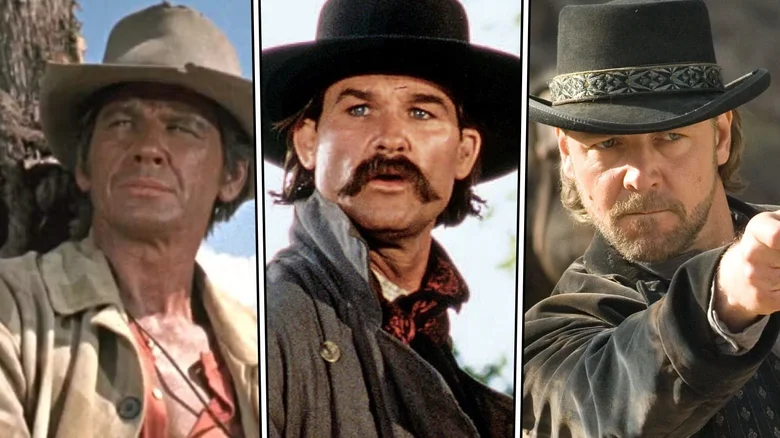
Sergio Leone’s “Once Upon a Time in the West” stands as a monumental opera of the American West, a film that both epitomizes and elegizes the genre. While its nearly three-hour runtime may seem daunting, it is an immersive and essential experience. The plot is a deliberate, slow-burn saga of vengeance and changing times, centered on a mysterious harmonica-playing stranger, played with iconic stoicism by Charles Bronson, and a land dispute involving a ruthless railroad baron. Leone directs with a painter’s eye, composing every wide-shot of desert and close-up of weathered faces into a visual symphony. The true soul of the film, however, is Ennio Morricone’s legendary score, where distinct musical motifs for each character weave an auditory tapestry of haunting beauty and foreboding. More than a simple shoot-’em-up, this is a film about mythmaking itself, a poetic farewell to the Old West that is as emotionally resonant as it is visually stunning. It is the definitive argument for the Western as high art.
The Magnificent Seven
For viewers who gravitate toward ensemble casts and heroic missions, John Sturges’ “The Magnificent Seven” provides a thrilling and straightforward gateway. A brilliant adaptation of Akira Kurosawa’s “Seven Samurai,” transposed to the American frontier, the film follows a band of seven disparate gunslingers hired to defend a poor Mexican village from a marauding gang. Led by the cool, bald-headed Yul Brynner, the team includes charismatic icons like Steve McQueen, James Coburn, and Charles Bronson, each bringing a unique personality and skill to the group. The film’s enduring appeal lies in its classic structure—the assembling of the team, the preparation of the town, and the climactic battle—executed with pure, crowd-pleasing efficiency. It captures the camaraderie and reluctant heroism at the heart of many Westerns, proving that tales of unity against overwhelming odds are universal. While remakes have followed, the original’s charm, chemistry, and sheer star power remain utterly unmatched.
Unforgiven
Clint Eastwood’s “Unforgiven” serves as a powerful, revisionist counterpoint to the romanticized violence of earlier Westerns. Eastwood, whose career was forged in the genre, both directs and stars as William Munny, a retired, aging outlaw dragged back into a life of killing for one last job. The film systematically deconstructs the mythology of the gunslinger, portraying violence as ugly, morally corrosive, and fraught with regret. Gene Hackman delivers an Oscar-winning performance as the sadistic sheriff Little Bill, whose cruel authority stands in stark contrast to the legendary outlaws of folklore. This is not a tale of clean heroism but a meditation on mortality, legacy, and the inescapable weight of sin. “Unforgiven” is essential viewing because it engages with the genre’s history so intelligently, challenging the audience’s expectations and offering a darker, more mature perspective that redefined what a Western could be in the modern era.
Tombstone
If pure, adrenaline-fueled entertainment is the goal, “Tombstone” is arguably the most compulsively watchable Western of the 1990s. Chronicling the legendary Gunfight at the O.K. Corral and its aftermath, the film thrives on electric performances and quotable dialogue. Kurt Russell anchors the film as the principled Wyatt Earp, but it is Val Kilmer’s career-defining turn as the tubercular, velvet-tongued gambler Doc Holliday that steals every scene. The supporting cast, including Sam Elliott, Bill Paxton, and a menacing Michael Biehn, is uniformly excellent. Director George P. Cosmatos delivers action sequences that are both thrilling and coherent, building to cathartic shootouts that pay off the simmering tensions. “Tombstone” succeeds by embracing the mythic larger-than-life quality of its characters without sacrificing emotional stakes, making it a perfect blend of historical drama and rousing popcorn cinema.
3:10 to Yuma
James Mangold’s 2007 remake of “3:10 to Yuma” proves the enduring vitality of the Western formula by focusing on intense psychological drama. The premise is a classic chase narrative: a desperate rancher (Christian Bale) agrees to escort a captured, charismatic outlaw (Russell Crowe) to a prison train. The journey becomes a tense battle of wills as the outlaw attempts to manipulate his captor, blurring the lines between captor and companion. Crowe and Bale are perfectly matched, their dynamic fueling the film’s suspense. Mangold directs with a modern grit, emphasizing the physical and moral hardship of the trail while delivering sharp, brutal action. The film respects the moral complexities of the genre, asking questions about honor, fatherhood, and reputation in a lawless land. It demonstrates that a well-crafted Western, even in the 21st century, can be as gripping and relevant as any contemporary thriller.
This curated journey through the Western genre reveals its remarkable range, from mythic opera and heroic adventure to psychological drama and deconstructive revisionism. Each film offers a distinct doorway into a world where landscapes are vast, choices carry weight, and characters are forged in conflict. By starting with these accessible yet profound masterpieces, any viewer can discover the enduring power and timeless appeal of the stories that helped define American cinema.