
In an era where streaming platforms frequently cancel series based on opaque metrics, the loss of a genuinely unique show is always felt more acutely. Such is the case with Apple TV+’s “Sunny,” a sci-fi dramedy that met an untimely end after a single, critically acclaimed season. Adapted from Colin O’Sullivan’s novel “The Dark Manual,” the series distinguished itself with a poignant blend of speculative technology, intimate human drama, and a deep reverence for Japanese culture. Its cancellation represents more than just the loss of a story; it signifies the removal of a thoughtful, culturally immersive narrative from a landscape often dominated by more formulaic content. With a stellar lead performance from Rashida Jones and a premise rich with emotional and mysterious potential, “Sunny” offered viewers a rare and compelling journey. Its premature conclusion leaves audiences to ponder what might have been, while also appreciating the singular season that managed to weave grief, conspiracy, and artificial intelligence into a captivating whole.
A Gripping Premise Anchored in Grief and Mystery
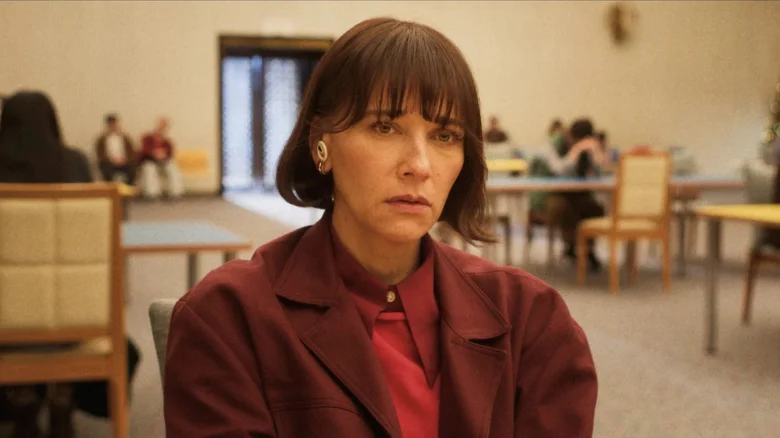
“Sunny” immediately establishes a powerful emotional core through its protagonist, Suzie (Rashida Jones), an American woman adrift in Kyoto after her husband, Masa, and young son vanish in a suspicious plane crash. Isolated by language, culture, and overwhelming grief, Suzie’s world is one of profound dislocation and simmering anger. Her struggle for closure is upended by the arrival of “Sunny,” a domestically oriented robot sent by her late husband’s robotics company, ImaTech. This revelation shatters the mundane fiction Masa had maintained about his work, suggesting his death was no accident. Initially resistant to the robot’s cheery presence, Suzie gradually uncovers that Sunny is not merely a household appliance but a complex artifact—potentially the first breadcrumb in a trail leading to the truth about her family’s fate. This setup masterfully uses near-future technology as a catalyst for a classic noir investigation, where the quest for answers forces a grieving outsider to navigate the hidden layers of a foreign city’s underworld, all while forming an unlikely bond with a machine.
A Singular Fusion of Genre and Setting
The show’s brilliance lies in its confident synthesis of disparate elements. It functions simultaneously as a personal drama about processing loss, a conspiracy thriller with escalating stakes, and a speculative piece about human-robot relationships. This genre-blending is elevated by its authentic and immersive Kyoto setting. The city is not just a backdrop but an active character, with its ancient temples, bustling markets, and serene gardens contrasting sharply with the sleek, mysterious technology of ImaTech. The series takes care to embed Japanese cultural nuances into its narrative, from social customs to the nuanced portrayal of its supporting cast, avoiding shallow stereotypes. The central mystery—involving rival tech firms, yakuza ties, and the very nature of the robots being produced—unfolds with a deliberate pace, drawing viewers deeper into Suzie’s disorienting yet beautiful world. While some narrative threads occasionally meander, the overall tapestry remains rich and engaging, offering a viewing experience that feels both familiar in its emotional beats and wholly original in its execution.
Rashida Jones’s Commanding and Nuanced Performance
The series’ soul resides in Rashida Jones’s outstanding portrayal of Suzie. Jones expertly navigates the character’s complex emotional landscape, balancing a defensive, caustic wit with moments of raw, vulnerable despair. She makes Suzie’s grief palpable and her gradual thawing toward Sunny believable and moving. Jones’s performance is a testament to her expanding range, following notable roles in serious sci-fi series like “Silo” and “Black Mirror.” She seamlessly transitions from the comedic timing honed in “Parks and Recreation” to the dramatic weight required here, proving herself a versatile anchor capable of carrying a high-concept narrative. Her chemistry with the robot Sunny, voiced with calibrated warmth by Joanna Sotomura, forms the emotional backbone of the show. Their evolving dynamic, from reluctant coexistence to genuine partnership and care, explores profound questions about companionship, consciousness, and what it means to be “real” in a world where technology increasingly mediates human connection.
A Satisfying, Though Unfinished, Journey
While the cancellation news is disappointing, the existing season of “Sunny” provides a remarkably complete narrative experience. The ten-episode arc resolves its most pressing character developments and central mysteries, offering closure to Suzie’s initial investigative journey and her emotional reckoning with loss. The final moments do hint at larger, unresolved conspiracies, setting a compelling stage for a second season that will now remain unrealized. However, the season stands firmly on its own as a self-contained story about a woman finding her footing and purpose in the wake of tragedy. For viewers seeking intelligent, character-driven science fiction with heart, humor, and a distinct sense of place, “Sunny” is a hidden gem well worth discovering. It is a poignant reminder of the stories that slip through the cracks of algorithmic decision-making—a beautifully crafted, emotionally resonant series that dared to be quiet, strange, and deeply human, even with a robot at its center.