
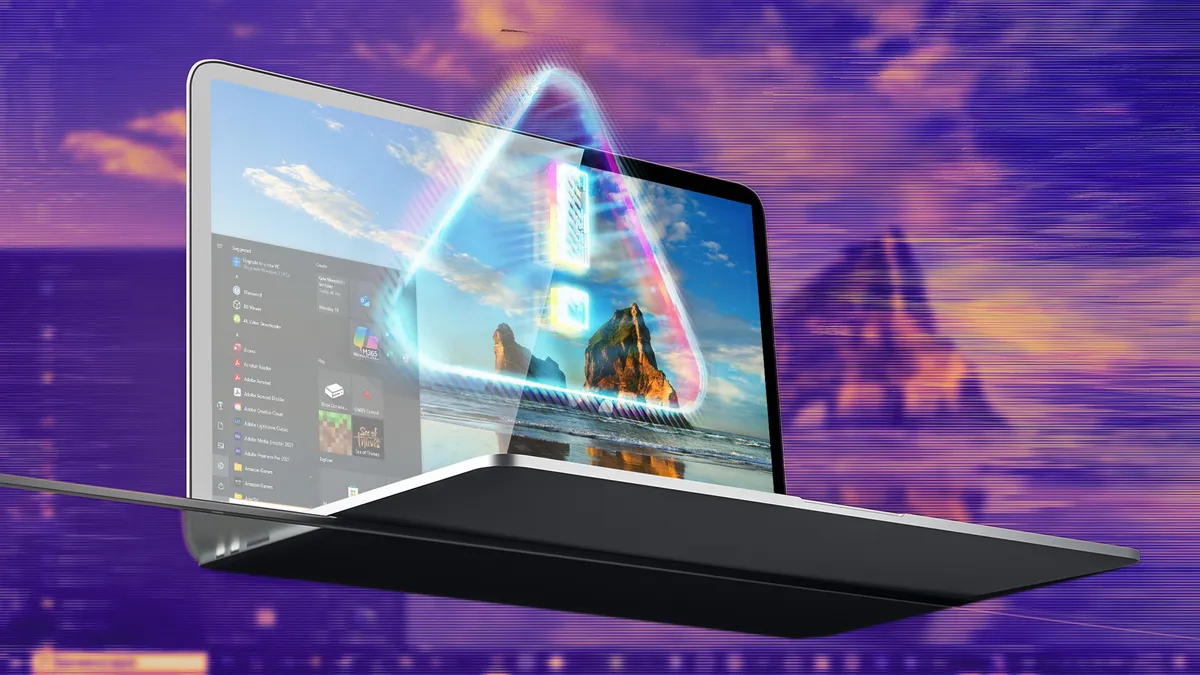
The gradual slowdown of an aging laptop is a universal frustration. Boot times stretch, applications lag, and the machine struggles with modern multitasking demands, often within just three to five years of purchase. While discarding it for a new model is one option, a more economical and sustainable path is to repurpose the hardware. One of the most effective transformations is converting it into a streamlined, cloud-focused device using ChromeOS Flex, a free operating system from Google. This lightweight OS is designed to revive older Windows and Mac computers by offering a ChromeOS experience, prioritizing speed, security, and simplicity through cloud-based workflows. For users whose primary tasks involve web browsing, document editing, and streaming media, installing ChromeOS Flex can feel like receiving a new laptop, extending the device’s useful life for years to come.
Step 1: Prepare Your Laptop and USB Installer for ChromeOS Flex
Before beginning the installation process, it is essential to gather the necessary hardware and ensure your laptop meets the basic requirements. You will need the old laptop you intend to convert, a blank USB flash drive with at least 8GB of storage, and a separate working computer with the Google Chrome browser installed. The target laptop should have, at a minimum, an Intel or AMD x86-64-bit processor, 4GB of RAM, and 16GB of internal storage. Crucially, you must back up any important files from the old laptop, as the installation will completely erase its hard drive. It is also advisable to check Google’s official certified models list for ChromeOS Flex to ensure full hardware compatibility, particularly for features like Wi-Fi and suspend/resume. With preparations complete, the next step is to create the bootable USB installer. On your working computer, open Chrome and install the “Chromebook Recovery Utility” extension from the Chrome Web Store. Launch the extension, click “Get Started,” and when prompted to select a model, choose “Google ChromeOS Flex” as both the manufacturer and the product. Insert your USB drive, select it within the utility, and click “Create Now.” The tool will download the ChromeOS Flex image and write it to the drive. Once you see a success message, safely eject the USB; your installer is ready.
Step 2: Install and Set Up ChromeOS Flex on Your Old Laptop
With the bootable USB drive created, you can proceed to install the new operating system on your old hardware. First, power down the laptop completely and insert the USB installer. Turn the laptop back on and immediately press the key required to access the boot menu—this is often a function key like F12, F10, or Esc, but varies by manufacturer. In the boot menu, select the USB drive as the startup device. The laptop will now boot into the ChromeOS Flex environment. You will be presented with an initial welcome screen offering two choices: “Try it first” or “Install ChromeOS Flex.” Selecting “Try it first” allows you to test-drive the operating system directly from the USB without making any changes to your laptop, which is an excellent way to verify hardware compatibility. If you are satisfied and ready to proceed with the permanent installation, select “Install ChromeOS Flex.” The installer will guide you through the process, which will completely overwrite the existing operating system. After installation, the laptop will shut down. Remove the USB drive and power the laptop on again. You will be greeted with the standard ChromeOS setup wizard. Connect to your Wi-Fi network, sign in with your Google account, and follow the remaining prompts to configure your preferences. Within minutes, you will arrive at a clean, familiar ChromeOS desktop. Your repurposed laptop is now a fast, secure, and manageable device ideal for everyday cloud-based tasks, giving your old hardware a purposeful and extended second life.