
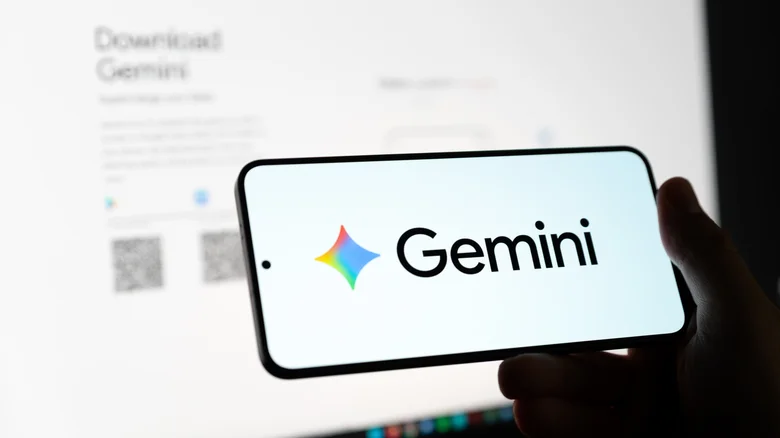
Google has postponed its ambitious plan to fully replace Google Assistant with Gemini on Android devices, easing concerns for users wary of the shift as 2025 concludes. Initially slated for completion by year’s end, the upgrade now extends into 2026, with the company prioritizing a “seamless transition” amid ongoing refinements. This delay reflects Google’s commitment to ironing out usability hurdles, ensuring the AI-powered successor delivers reliability before becoming the default voice assistant across mobile ecosystems. While Gemini’s advanced natural language processing and generative capabilities position it as Assistant’s natural evolution, the measured rollout underscores the challenges of migrating billions of users from a decade-old staple.
Launched in the pre-generative AI era, Google Assistant excelled at routine tasks like alarms, timers, and smart home controls but lagged in contextual understanding and creativity. Gemini, building on multimodal models, handles complex queries, code generation, and creative brainstorming with fluency that outpaces its predecessor. Recent updates—Gemini 3 Pro, 3 Flash, and Nano Banana Pro—have earned acclaim for enhanced reasoning and speed, fueling competition with OpenAI’s ChatGPT 5.2 push. Yet early Gemini assistant tests drew flak for fumbling basics, prompting privacy tweaks allowing opt-outs for training data from calls and messages.
Why the Delay Makes Strategic Sense
Google’s hesitation stems from user feedback highlighting Gemini’s growing pains: inconsistent routine handling risked alienating loyal Assistant fans mid-migration. Forcing the switch could spark backlash akin to past AI stumbles, undermining momentum when rivals falter—ChatGPT’s iOS limits via Apple Intelligence, Siri’s 2026 overhaul, Bixby’s pending revamp. Gemini already leads in app control and ecosystem integration, shining on Google Home, TV, watches, and cars. Delaying ensures polish, preserving trust while competitors play catch-up.
Flexibility for Users During Transition
Android flexibility shines: toggle between assistants via settings—long-press home/power button or “Hey Google” reconfiguration—reverting to Assistant instantly if Gemini disappoints. Gemini persists as a standalone app for on-demand AI chats, decoupling voice activation from full replacement. Privacy controls let users bar interactions from model training, addressing data concerns head-on. This dual-path approach buys time for Gemini’s maturation, letting power users experiment while traditionalists cling to familiarity.
Gemini’s Broader Ecosystem Dominance
Beyond phones, Gemini embeds deeply: conversational Google Home routines, TV recommendations, Wear OS fitness insights, Android Auto navigation. These footholds cement its future, even if Assistant lingers on mobiles. NotebookLM enhancements transform note-taking into dynamic research aids, while agentic extensions hint at proactive assistance—scheduling, shopping, summarizing—eclipsing Assistant’s reactive model. Google’s re:Invent parallels showcase enterprise parallels, positioning Gemini as AI’s Swiss Army knife.
The extension into 2026 signals maturity over haste, vital when AI hype meets real-world friction. Users gain breathing room to adapt, developers refine integrations, and Google hones the balance of innovation with reliability. As Siri and Bixby lag, Gemini’s edge sharpens—multimodal mastery poised to redefine “Hey Google” as intelligent companionship, not scripted responses. This isn’t retreat but refinement, ensuring the transition elevates rather than disrupts daily digital lives.