
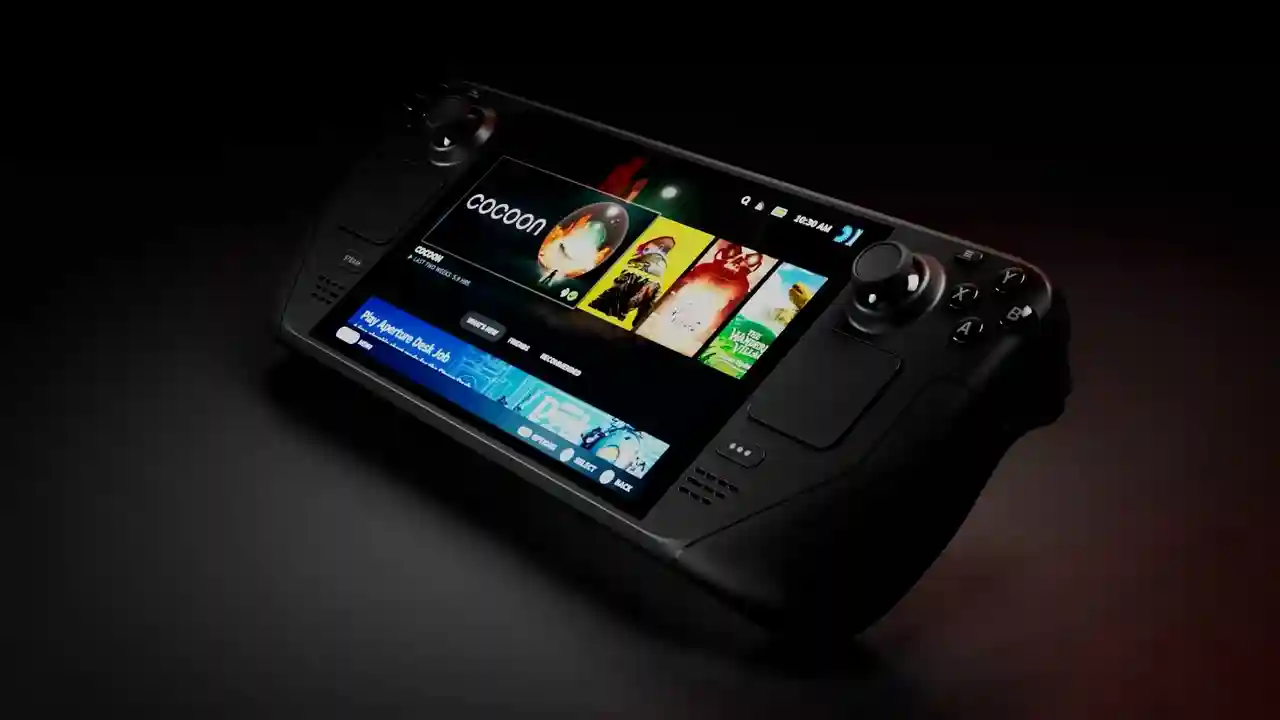
Steam Deck transcends handheld gaming, evolving into a full-fledged media powerhouse capable of streaming movies, managing libraries, and emulating classics when equipped with the right apps from SteamOS’s Discover Software Center. This Linux-based flexibility allows native installations mirroring desktop distros, unlocking file transfers, productivity tools, and non-Steam launchers without voiding warranties or complex tinkering. Central to this versatility shines LocalSend, a privacy-first, open-source app revolutionizing asset shuttling between Deck and PC, phone, or tablet—screenshots, mods, ROMs, videos flow bidirectionally over local Wi-Fi sans clouds, ads, or servers, embodying Valve’s user-empowering ethos.
LocalSend’s appeal lies in seamless cross-platform harmony: Windows, macOS, Linux, Android, iOS unite under HTTPS encryption with dynamic TLS certificates verifying peers, rendering intercepts futile even on shared networks. No accounts, no telemetry—pure P2P efficiency outperforms KDE Connect’s file size caps or Warpinator’s config hassles, sidestepping SMB/SFTP setups or pricey NAS while trumping USB/SD drudgery. For Deck owners juggling massive collections, it streamlines workflows: beam 4K rips from NAS-ripped PC to Deck’s microSD, sync EmuDeck saves, or pull gameplay clips for editing, all faster than Ethernet alternatives on unstable Wi-Fi.
Effortless Installation and Setup
Switch Deck to Desktop Mode via Steam button > Power > Switch to Desktop, launching Discover (blue bag icon) for “LocalSend” search and one-click install. Mirror on sender/receiver via app stores or Localsend.org/GitHub—ensure same Wi-Fi, launch apps, tap Send on source (devices auto-named uniquely), Accept on target. Folders compress transitively; progress bars track megabytes, landing downloads in configurable paths like ~/Downloads. Bidirectional magic lets Deck export too—pull shaders from phone effortlessly.
LocalSend’s Edge Over Rivals
KDE Connect falters on bulk transfers, capping practicality for mod packs; Warpinator demands Linux tweaks or Windows companions, eroding simplicity. Cloud proxies like Google Drive throttle bandwidth, risk leaks; physical media demands ejection/reinsertion rituals. LocalSend thrives offline—local-only routing ignores internet outages, saturating Wi-Fi pipes for gigabit bursts. Open-source audits confirm no phoning home, HTTPS cloaks payloads, and zero-cost model rejects freemium traps, prioritizing Deck’s couch-to-desktop fluidity.
Unlocking Deck’s Media Potential
Beyond transfers, LocalSend fuels media metamorphosis: populate Kodi/Plex libraries with PC-ripped Blu-rays, sideload Big Picture launchers for Netflix, or sync RetroArch configs across rigs. Pair with Heroic Games Launcher for Epic/GOG imports, EmuDeck for emulation suites, or Decky Loader plugins amplifying Discover’s reach. Wireless screenshots auto-beam to editors; mod zips unzip directly—Deck becomes living room HTPC rivaling NVIDIA Shield, all fueled by Localsend’s conduit.
For power users, multi-Device orchestration shines: phone captures clip, PC enhances, Deck plays—ecosystem sans silos. Privacy purists rejoice at serverless purity; bandwidth hogs celebrate uncompressed fidelity. As SteamOS 3.5+ refines Desktop stability, LocalSend cements Deck’s hybrid identity—not mere console, but extensible console crushing silos through elegant, free software bridging silicon gaps with local magic.