
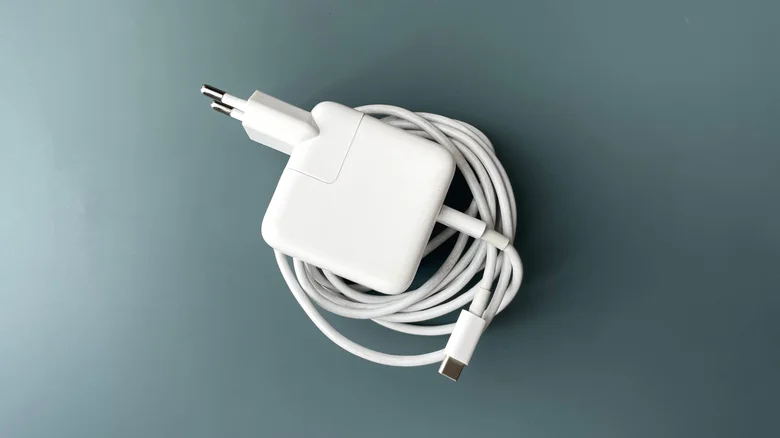
USB-C chargers accompanying modern laptops represent versatile power sources capable of fueling smartphones efficiently, thanks to standardized protocols ensuring safe interoperability across devices. As manufacturers like Apple, Samsung, and Google phase out bundled phone chargers while retaining them for laptops—MacBooks, Chromebooks, Windows ultrabooks—this raises a practical question: can your laptop’s robust USB-C brick reliably charge your phone? The answer proves affirmatively yes for recent models, governed by intelligent negotiation preventing overvoltage while delivering optimal speeds.
USB Power Delivery Enables Seamless Compatibility
USB-PD (Power Delivery), championed by the USB Implementers Forum, orchestrates safe charging through bidirectional communication: chargers query device needs, supplying negotiated voltage/current up to 240W. Recent iPhones (15+), Pixels, Galaxy flagships, and iPads embrace PD alongside laptops, enabling 20-65W delivery matching phone maxima. A 65W MacBook charger tops iPhone 15 Pro Max at 27W seamlessly; excess capacity idles harmlessly.
Daily usage proves safe—PD’s safeguards cap output unless explicitly requested, averting damage. Smartphones draw required power intelligently; laptops remain unaffected plugged into walls. Cable quality matters: certified 60W+ E-marker cables support full protocols, preventing bottlenecks.
Non-PD Scenarios and Fallback Safety
Legacy chargers default to USB-C baseline 5V/3A (15W) sans negotiation, adequate for overnight top-ups though slower than PD peaks. PD chargers encountering non-PD phones similarly limit 5V, with current detection via Configuration Channel pins ensuring compatibility. Bidirectional checks confirm handshakes before ramping voltage.
Proprietary standards like Samsung’s PPS layer atop PD for granular control, but universal fallback prevents bricks. Older USB-A laptops mismatch entirely—stick to C-to-C. High-quality cables mitigate resistance drops; bargain wires throttle speeds artificially.
Practical Charging Performance Expectations
Laptop chargers accelerate phones significantly: 65W GaN MacBook units hit Galaxy S25 Ultra’s 45W peak, 0-100% in 55 minutes versus 15W trickle’s 2+ hours. iPhone 16 Pro Max reaches 50% in 30 minutes from 30W PD, matching dedicated bricks. Pixels sip conservatively, prioritizing battery health over velocity.
Thermal management shines—phones throttle intelligently avoiding heat spikes; chargers idle unused capacity. Overnight parking proves ideal, balancing speed/safety. Multi-port laptops charge phone+accessories simultaneously via passthrough.
Safety Considerations and Best Practices
Built-in protections abound: overcurrent shutdowns, short-circuit isolation, thermal fuses. PD mandates Explicit Contract—chargers verify device handshake before boosting beyond 5V, eliminating risks plaguing mismatched adapters. Reputable brands (Anker, Belkin, Samsung) certify rigorously.
Verify compatibility: recent phones (2022+) universally PD-ready; pre-2020 models lag. Inspect cables for fraying; replace annually. Avoid simultaneous laptop/phone charging from single low-watt outlets—dedicated walls prevent overloads.
Environmentally, cross-usage slashes e-waste; one brick serves ecosystems. GaN (gallium nitride) chargers shrink 50% versus silicon, fitting travel universally.
Advanced Use Cases and Limitations
Laptop chargers power tablets (iPad Pro 30W+), handhelds (Steam Deck 45W), earbuds overnight. Bidirectional PD enables phones charging laptops emergently, though capacities limit meaningfully. Wireless chargers adapt poorly—stick wired PD.
Edge cases: aviation-grade phones cap 15W; medical devices demand certified adapters. Monitor temperatures; excessive warmth signals cable faults.
Universal USB-C chargers epitomize convergence: single GaN brick traverses phones, laptops, Switches, drones. Laptop owners gain redundancy; travelers minimize bulk. Standards triumph—interoperability renders dedicated phone bricks obsolete, streamlining modern charging ecosystems efficiently.