

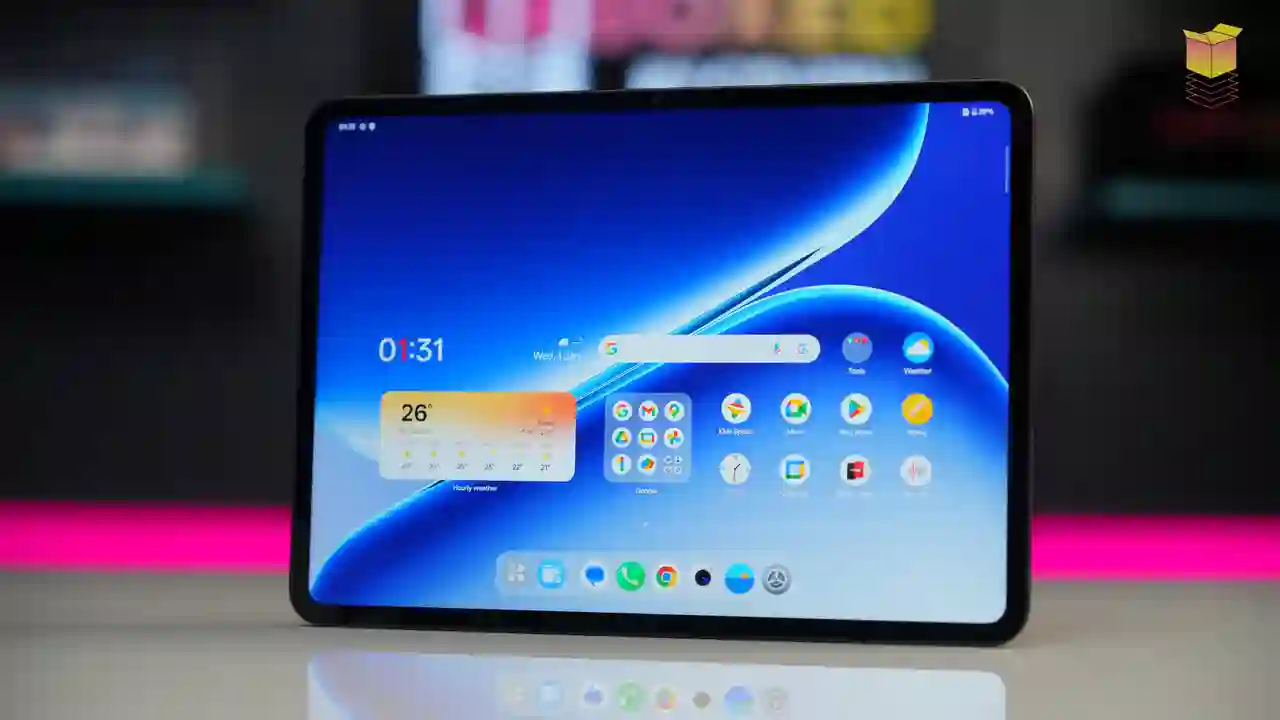
OnePlus Pad Go 2 enters the crowded mid-range tablet arena at $400, striking a compelling balance between affordability and capability that challenges pricier Samsung and Apple rivals without feeling like a budget compromise. Building directly on the original Pad Go’s foundation, this iteration introduces a faster MediaTek Dimensity 7300-Ultra processor, expanded 12.1-inch 7:5 aspect display, and long-awaited 5G connectivity options, positioning it as a genuine productivity companion for work, entertainment, and light creative tasks. Shoppers seeking versatile Android slates sidestep flagship excesses while gaining substantial screen real estate, all-day endurance, and multitasking prowess that punches above its weight class.
Physical dimensions slot neatly between Apple’s 11- and 13-inch iPads—large enough for immersive document editing or split-screen workflows, portable enough for couch surfing or travel briefcases. OxygenOS 16 refines Android 16 with intuitive gestures enabling up to four concurrent apps, while the substantial 10,050mAh battery sustains multi-day moderate use or full workdays at peak brightness. Optional cellular frees users from Wi-Fi dependency, making it ideal for mobile professionals or digital nomads prioritizing connectivity over camera prowess.
Sleek Professional Design
OnePlus refreshes the Pad Go 2’s aesthetics for elevated sophistication, ditching predecessor plastics for a solid aluminum unibody in Shadow Black that exudes boardroom readiness despite persistent fingerprints demanding microfiber wipes. Subtle edge curvature mirrors contemporary smartphones, enhancing grip comfort during extended portrait sketching or landscape browsing sessions, while thoughtfully proportioned bezels maximize the 12.1-inch canvas without accidental palm triggers.
Ergonomics shine through precise port placement: bottom USB-C for charging, right-side volume rocker, top-right power button, and crucially, a landscape-oriented front camera ensuring eye-level framing for Zoom calls or selfies. Weighing slightly more than its forebear due to battery and display gains, the tablet remains balanced for one-handed scrolling, with slim profiles fitting universal cases seamlessly.
Versatile 12.1-Inch Display
The 12.1-inch IPS LCD delivers 1980×2800 resolution at 284ppi sharpness, coupled with 120Hz adaptive refresh for buttery animations and 900-nit peak brightness combating indoor glare effectively. The productivity-optimized 7:5 aspect ratio excels at vertical scrolling through PDFs, emails, or codebases, while accommodating cinematic 16:9 content with minimal black bars and enabling true dual-pane multitasking without cramped interfaces.
Mode-based refresh switching—rather than fluid LTPO—balances efficiency with smoothness, proving ample for Netflix binges, Kindle reading, or Google Docs collaboration. Outdoor visibility holds under shade but falters in direct sun; indoor versatility remains unassailable for most users.
Balanced Quad-Speaker Audio
Omnibearing Sound Field technology drives four speakers that auto-orient stereo imaging for portrait/landscape flips, delivering respectable mids and depth for YouTube, podcasts, or casual music without distortion. Bass lacks premium punch and highs want crispness compared to Galaxy Tabs, but volume fills medium rooms adequately.
Pairing with Bluetooth headphones unlocks fuller fidelity; onboard performance suffices for background audio during productivity without demanding audiophile perfection.
Capable Dimensity Performance
MediaTek’s 4nm Dimensity 7300-Ultra with 8GB RAM handles OxygenOS multitasking flawlessly—triple-app splits, Chrome tabs galore, and light Adobe Lightroom edits flow without hiccups. Gaming accommodates Genshin Impact at medium settings or Asphalt 9 races smoothly, though thermal throttling caps prolonged AAA sessions.
5G variant ensures untethered productivity; Wi-Fi 6 maintains snappy cloud syncs. Benchmark-beating efficiency transforms $400 hardware into daily driver material.
Endurance and Practical Cameras
The 10,050mAh cell endures 15-hour video loops or days of mixed use, with 33W SUPERVOOC refueling 50% in under 30 minutes and reverse charging rescuing phones in binds. Cameras prioritize utility: 8MP rear scans documents crisply, front unit frames video calls accurately in office lighting—expected tablet competence without smartphone pretense.
Refined OxygenOS 16 Experience
Android 16 powers gesture-driven multitasking supporting split-screen duos plus floating thirds (or quad via PiP), with AI tools aiding writing and summarization. Clean interfaces, discoverable settings, and modern visuals rival premium skins, though iPadOS developer optimization edges Android app scaling.
Functional Yet Basic Accessories
Stylo stylus responds adequately with mode-switching but requires separate USB-C charging absent magnetic snap, while Folio Case offers loop storage amid plasticky feel. Competitors’ integrated ecosystems outshine, but basics protect without excess cost.
Strong Mid-Range Value
At $400, Pad Go 2 undercuts Galaxy Tab S11 while matching its screen/battery prowess, trouncing corner-cutting rivals. Premium OnePlus Pad 3 tempts power users, entry iPads lure iOS faithful, but Go 2 owns balanced Android territory—buy confidently for versatile daily driving.