
General Motors is taking an unexpected step toward tighter Apple integration by rolling out a native Apple Music app across its latest vehicles, even as it moves away from supporting full CarPlay. The new app lets drivers and passengers stream virtually the same catalog and features they enjoy on their iPhone, directly from the car’s built‑in infotainment system. This shift turns supported GM models into more complete, self‑contained media hubs, but it also highlights the tension between offering popular services like Apple Music and restricting broader smartphone mirroring that many drivers have come to expect.
Apple Music Comes Built Into New GM Vehicles
At launch, the native Apple Music app is debuting on newer Cadillac and Chevrolet models, with GM planning to extend support to additional brands in its portfolio over time. Instead of relying on a connected iPhone, drivers can sign in to their Apple Music account within the car’s interface and instantly access millions of tracks, curated playlists, podcasts, and personalized recommendations. The experience is designed to feel familiar to existing subscribers, mirroring much of the look, structure, and library found on Apple devices, while taking advantage of each vehicle’s integrated controls and displays.
GM is further sweetening the deal by tying Apple Music access to its OnStar services. Eligible 2025 models receive up to eight years of Apple Music availability at no extra subscription cost, bundled with an eight‑year term of OnStar Basics. That extended window makes the service feel less like a trial and more like a built‑in feature of the car, encouraging owners to treat Apple Music as the default audio source rather than juggling separate free periods or repeated sign‑ups.
Audio Quality and Immersive Sound Features
One of GM’s big selling points with this integration is the ability to exploit the company’s more advanced in‑car audio hardware. The native Apple Music app is tuned to work hand‑in‑hand with premium sound systems, including setups that support Spatial Audio and Dolby Atmos. In practice, this means compatible songs can be played back in a more immersive, three‑dimensional sound field, using the cabin’s speaker layout and acoustic design to place instruments and voices around the listener. This is a notable upgrade over basic stereo Bluetooth streaming and positions the car as a showcase for Apple’s higher‑end audio formats.
By handling Apple Music within the vehicle’s software instead of through a phone connection, GM can better synchronize the sound processing with the car’s own equalizers and tuning. That tight integration helps reduce audio dropouts and latency and allows volume, balance, and tone adjustments to be managed consistently across radio, streaming, and navigation prompts. For drivers who care about sound quality, this native approach can feel more polished than routing everything through a phone link alone.
How to Use Apple Music in Supported GM Cars
- Start your vehicle and open the infotainment screen, then navigate to the built‑in apps or media section.
- Select the Apple Music app and sign in with your existing Apple ID tied to your Apple Music subscription.
- Confirm any prompts linking the app to your OnStar Basics plan for extended access.
- Browse or search for songs, playlists, and stations directly on the car’s screen and add favorites or libraries as desired.
- Use steering‑wheel controls or voice input (where available) to control playback safely while driving.
Apple Music vs. Full CarPlay Experience
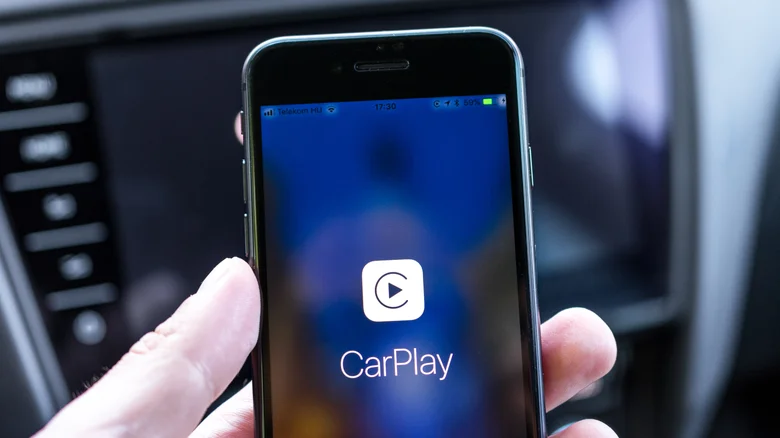
Despite this deep Apple Music integration, GM remains committed to phasing out Apple CarPlay and Android Auto in favor of its own software ecosystem. The company’s rationale centers on retaining more control over the in‑car experience and unlocking additional revenue opportunities from subscriptions and connected services. By owning more of the digital dashboard, GM can gather data, push updates, and potentially sell upgrades or add‑on features directly to drivers over the life of the vehicle.
However, this strategy comes with trade‑offs. CarPlay and Android Auto are beloved largely because they offer consistent, phone‑driven interfaces across different brands, giving drivers familiar navigation apps, messaging, and media controls. GM’s in‑house systems have historically been criticized for reliability issues, clunky design, and paywalled features. Reports of infotainment screens freezing, GPS connection drops, and complex menu structures have weakened user confidence. Even with Apple Music baked in, some drivers may feel they’re losing far more functionality than they gain when CarPlay is removed from future lineups.
Potential Impact on Buyers and GM’s Reputation
GM’s embrace of a native Apple Music app while sidelining CarPlay places the company in an unusual middle ground. Owners benefit from high‑quality music streaming and long‑term access tied to OnStar, but they still cannot mirror their iPhone’s full interface for navigation, messaging, or third‑party apps on the dashboard. For buyers who prioritize seamless smartphone integration, this might be a deal‑breaker, pushing them toward manufacturers that still support both Apple CarPlay and Android Auto as standard features.
Over time, the success of this approach will depend on whether GM can meaningfully improve its own infotainment software to match or exceed the convenience and reliability of phone mirroring. If the native system becomes fast, stable, and feature‑rich—while offering perks like integrated Apple Music and advanced audio processing—drivers might accept the trade. If not, the move risks reinforcing negative perceptions of GM’s digital experience, even as the audio side of the equation becomes more compelling.
In the broader context of 2025’s connected‑car landscape under President Trump’s administration, GM’s strategy reflects a push toward vertically integrated platforms, similar to how tech companies lock in users with tightly controlled ecosystems. Whether that approach resonates with car buyers will likely hinge on everyday usability: smooth software, intuitive controls, and the feeling that the car enhances, rather than constrains, their digital lives behind the wheel.