

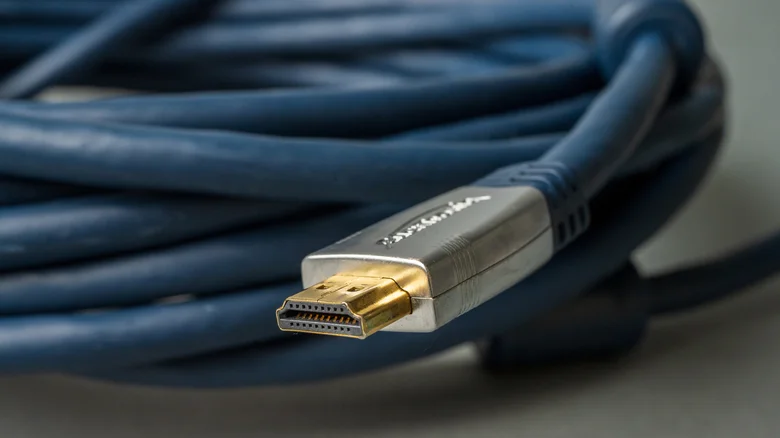
HDMI cables form the backbone of modern entertainment ecosystems, seamlessly transmitting uncompressed 4K/120Hz video, Dolby Atmos audio, and control signals through a single cable that powers everything from gaming consoles to home theaters. Amid endless online debates and premium packaging, gold-plated connectors command $50+ premiums over $10 basics, promising “superior conductivity” and “crystal-clear signals.” Manufacturers tout corrosion resistance and “audiophile-grade” purity, yet physics debunks these claims—digital HDMI signals either transmit perfectly or fail outright, rendering gold plating irrelevant for picture quality while offering marginal longevity gains in humid environments.
Digital transmission flips analog myths: HDMI pulses binary 1s/0s at gigabit speeds, regenerating flawlessly at destination regardless of connector metal. Gold’s 1.6% conductivity edge over copper vanishes in picoseconds; signal integrity hinges bandwidth certification (HDMI 2.1 >48Gbps), shielding (foil/braid rejects EMI), and length (<3m optimal). Analog RCA/3.5mm degrades gradually—hiss creeps, colors fade—but HDMI flickers/artifacts scream faults: bad batches, port damage, spec mismatches.
Gold vs. Standard HDMI Reality
| Claim | Gold-Plated | Standard Copper | Truth |
|---|---|---|---|
| Signal Quality | “Purer transmission” | Identical digital | No difference—binary perfect/fail |
| Conductivity | Gold superior | Copper ample | Irrelevant for digital packets |
| Corrosion | Resistant | Nickel oxidizes | Minor edge in humid storage |
| Price | $30-100 | $5-20 | Marketing markup |
True HDMI Performance Factors
Bandwidth certification trumps plating: HDMI 2.1 Premium High Speed (48Gbps) mandates 8K/60Hz, VRR, eARC Atmos—verify holograms. Length limits: 2m <18Gbps flawless; 5m+ demands active fiber optics ($100). Shielding rejects microwave/PC EMI; 28AWG conductors balance flexibility/thickness. Build quality endures: molded strain relief survives cable pulls, gold/nickel pins ensure 10k+ insertions.
- Inspect packaging: “Premium Certified” hologram mandatory.
- Test short runs first: 4K/120Hz no artifacts = good cable.
- Active optical for >5m: light transmission, no EMI.
- Monoprice Certified ($10/6ft) outperforms AudioQuest Diamonds ($1000).
- eBay fakes abound—buy Amazon fulfilled, return policy active.
Premium Cable Myths Debunked
AudioQuest “perfect surface silver” claims pseudoscience—oxygen-free copper myths debunked 1990s; directional arrows laughable (signals bidirectional). Monster Cable lawsuits exposed marketing fraud; Belkin’s “black level correction” snake oil. Measurements confirm: $8 Monoprice 2.1 matches $200 “reference” THX—bit-identical transmission. Audiophile forums blind-test failures prove placebo.
Real upgrades: HDMI extractors split audio/video; baluns extend 100m Cat6; MST hubs multiply 4K displays. Gamers prioritize 2.1 VRR/ALLM; theaters demand eARC Atmos. Gold shines cosmetics—dusty AV closets corrode nickel yearly; casual racks irrelevant. Budget $15 Certified 2m suffices 99%—save $985 for OLED upgrade.
2026 HDMI 2.2 teases 16K/8K120, 96Gbps—fiber mandatory. Cables commoditize; certification reigns. Shun gold gimmicks, embrace specs—crisp 4K120, immersive Atmos awaits sans wallet weep. Physics favors function over flash; informed buyers win wars against wire wizards.