
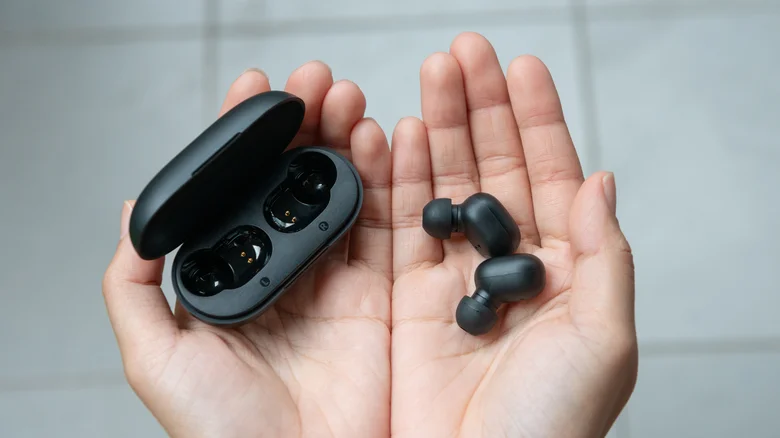
Bluetooth headphones dominate portable audio with universal pairing across smartphones, laptops, and tablets, but “wireless” labeling often signals alternative protocols offering superior fidelity and latency at the cost of convenience. While both eliminate cords, Bluetooth’s short-range radio standard compresses streams for broad compatibility, introducing micro-delays fatal for gaming and lip-sync precision. True wireless alternatives—2.4GHz RF, proprietary dongles, Wi-Fi mesh—deliver uncompressed transmission and zero-lag synchronization, transforming headsets into console-grade peripherals or hi-fi home systems where Bluetooth stumbles.
Bluetooth’s ubiquity stems from miniaturized chipsets embedded universally since 2004’s v1.2 ubiquity—iPhones, Androids, AirPods, Galaxy Buds auto-connect sans receivers. Yet codec limitations (SBC/AAC max 256kbps) and 100-250ms latency plague action films and FPS shooters. Wireless sidesteps this via dedicated 2.4GHz dongles (Logitech G Pro X, SteelSeries Arctis Nova)—lossless 24-bit/96kHz, <20ms delay—plug USB, play flawlessly across PC/PS5/Xbox.
Connectivity Deep Dive
Bluetooth operates 2.4GHz ISM band like Wi-Fi/microwaves, hopping 79 channels to dodge interference—yet compression artifacts dull transients, cymbals smear. RF wireless dedicates channels for uncompressed PCM, dongle decoding source digitally. Wi-Fi speakers (Sonos Arc, Bose Smart Ultra) leverage home networks for multi-room sync, 24-bit Dolby Atmos—beyond Bluetooth’s point-to-multipoint limits.
Bluetooth vs. Wireless Headphones
| Aspect | Bluetooth | Wireless (RF/Wi-Fi) |
|---|---|---|
| Range | 10-30m line-of-sight | 50m+ (RF), home-wide (Wi-Fi) |
| Latency | 100-250ms | <20ms (RF), 50ms (Wi-Fi) |
| Audio Quality | Compressed (AAC/LDAC) | Uncompressed/lossless |
| Compatibility | Universal no dongle | Dongle/home network |
| Battery | 20-40hrs | 15-30hrs + charging dock |
Gaming and Pro Audio Demands RF
Esports mandates wireless: Razer BlackShark V2 HyperSpeed (2.4GHz USB-C) syncs footsteps pixel-perfect; Corsair Virtuoso XT triples Bluetooth fidelity via Slipstream dongle. TV RF headsets (Sennheiser RS 195) blast private volume sans Bluetooth pairing fuss—ideal seniors, apartments. Sonos Ace over-ears toggle Bluetooth/Wi-Fi for home lossless, portable AAC fallback.
Setup Scenarios
- Bluetooth pairing: Settings > Bluetooth > Connect (auto-reconnects).
- RF dongle: USB insert > Auto-driver (no software).
- Wi-Fi speakers: Home app > Room assignment > Stereo pair.
- Low-latency test: YouTube lip-sync video—pause mismatch reveals Bluetooth lag.
- Codec force: Developer options > HD Audio (aptX/LDAC Android).
Portability crowns Bluetooth: AirPods Pro 2 pocket anywhere, multipoint juggles Mac/iPhone. Wireless excels stationary: home theater RF banishes cable spaghetti; gaming rigs demand dongle determinism. Hybrid future emerges—Bose QC Ultra toggles Bluetooth/Wi-Fi AptX Adaptive; Sony WH-1000XM5 LDAC shines Android audiophile stacks.
Budget dictates: $50 Anker Soundcore Life P3 Bluetooth suffices podcasts; $200 SteelSeries Arctis Nova 7 RF elevates Valorant clutches. Latency obsessives spec 2.4GHz exclusively; travelers embrace Bluetooth ubiquity. Wired purists scoff both—3.5mm/Balanced DAC zero-loss forever. Choose protocol by priority: convenience trumps fidelity for commuters, raw performance rules stationary warriors. Wireless spectrum expands—understand tradeoffs, spec accordingly.