

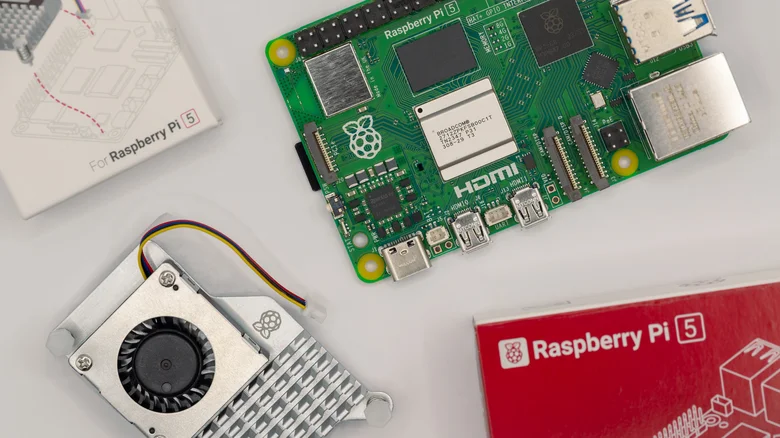
Raspberry Pi 5 packs remarkable power into a palm-sized form factor, boasting up to 16GB of RAM and a quad-core Arm Cortex-A76 processor for just $120 in its higher configurations. This tiny computer transcends its educational roots—teaching programming or robotics via GPIO pins—and empowers endless DIY innovations through a vibrant global community. From home servers to media centers, these micro-PCs deliver practical, low-cost solutions for everyday challenges, often requiring just basic accessories like SD cards, cases, and cables to unleash their potential.
Owners seeking fresh projects will find the Raspberry Pi ideal for self-hosted services that enhance privacy, efficiency, and entertainment without recurring fees. These setups demand minimal technical expertise, leveraging user-friendly software like NextCloudPi, Pi-hole, or RetroPie. Whether blocking ads network-wide or reviving vintage games, the Pi’s versatility shines, turning spare hardware into functional upgrades that rival commercial alternatives.
Build a Personal Cloud Server
Secure your data from cloud vulnerabilities by creating a private server with NextCloudPi, offering seamless file syncing across devices. This self-managed solution runs 24/7 on a Raspberry Pi 4 or 5, using attached USB 3.0 drives for ample storage. Local access keeps files off the public internet, while router port forwarding enables remote retrieval from anywhere, all at a one-time cost far below subscription services.
- Install Raspberry Pi OS on a microSD card using Raspberry Pi Imager.
- Attach USB storage drive(s) and boot the Pi with Ethernet connected.
- Run the NextCloudPi installer script via terminal for automated setup.
- Access your dashboard at the Pi’s IP address and configure users/sharing.
- Forward ports 80/443 on your router for secure external access.
With encryption and app integrations for calendars or contacts, it rivals Dropbox while granting full control. Expand storage effortlessly and monitor usage through intuitive web interfaces.
Transform Old Monitors into Smart Displays
Revive dusty LCDs or TVs by turning them into ad-free media hubs with LibreELEC and Kodi. This lightweight OS optimizes for Raspberry Pi, delivering full PC capabilities in a compact footprint—perfect for wall-mounting without clutter. Stream YouTube, Netflix add-ons, or local libraries with superior flexibility over proprietary smart TVs.
Kodi’s extensibility supports live TV, Spotify, and home automation ties, managing network media effortlessly. Skip bloated manufacturer interfaces for customizable, privacy-focused entertainment that breathes new life into e-waste.
Raspberry Pi Projects Comparison
| Project | Pi Model Recommended | Key Accessories | Primary Benefit |
|---|---|---|---|
| Cloud Server | Pi 4/5 (8GB+) | USB HDD, Ethernet | Private backups |
| Smart TV | Pi 4/5 | HDMI cable, SD card | Recycle displays |
| Minecraft Server | Pi 5 (16GB) | Ethernet, good cooling | Custom multiplayer |
| Ad Blocker (Pi-hole) | Pi 3/4/5 | Ethernet cable | Network-wide clean browsing |
| Website Host | Pi 4/5 | Static IP/domain | Free web presence |
| Retro Emulator | Pi 4/5 | USB controllers, SSD | Classic gaming |
Host Minecraft or Block Ads Effortlessly
Self-host a lag-free Minecraft server for unrestricted mods and plugins, bypassing rental limits—ideal for small groups on a Pi 5. Install Java, download the server JAR, and expose via port forwarding for global play. Similarly, Pi-hole deploys as a DNS filter, purging ads and trackers before they load, configurable in minutes for whole-home protection.
Launch Your Website or Retro Console
NGINX turns any Pi into a robust web host for portfolios or apps, with PHP extensions for dynamic content. Secure with free SSL and point a domain for professional presence at zero monthly cost. For nostalgia, RetroPie emulates dozens of consoles—from NES to PS1—with shaders, themes, and multiplayer, loading legally sourced ROMs from USB drives for authentic arcade vibes.
These projects highlight the Pi’s scalability: start simple, then cluster multiple units for redundancy. Communities like Reddit’s r/raspberry_pi offer troubleshooting and tweaks, ensuring success. At under $200 total investment, they deliver enterprise-grade utility, fostering skills while solving real needs in a sustainable way.