
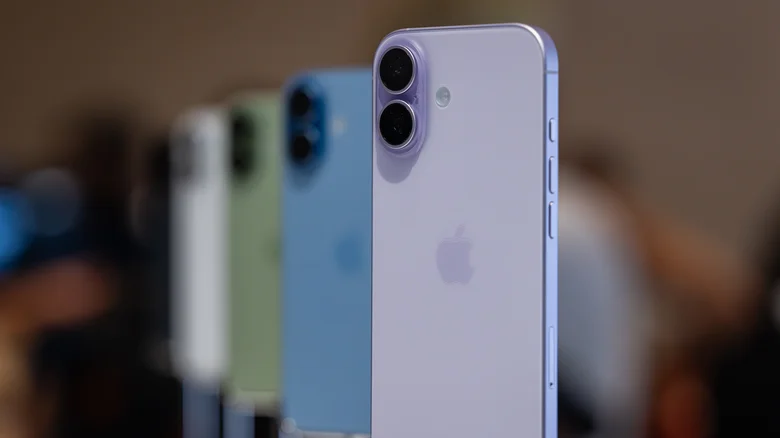
Apple’s iPhone 17 series made its debut in mid-September 2025 and took the market by storm. Of the four models launched, three sold out within hours of preorders opening, starting with the iPhone 17 Pro Max. Nearly two months later, demand remains high, with even the base $799 iPhone 17 facing longer delivery delays than the Pro Max — a surprising twist for Apple’s standard model. Against this backdrop, new data from Counterpoint Research revealing that an iPhone topped global smartphone sales in Q3 2025 should surprise no one. However, that best-seller isn’t a new iPhone 17 — it’s last year’s iPhone 16.
The Continued Reign of the iPhone 16
According to Counterpoint Research, Apple and Samsung equally dominated the top 10 best-selling smartphones of Q3 2025, with five models each. However, their standings tell two very different stories. The first four spots were all held by iPhones — the iPhone 16, iPhone 16 Pro, iPhone 16 Pro Max, and iPhone 16e — while Samsung’s top entry, the Galaxy A16 5G, landed in fifth place. Interestingly, the iPhone 17 Pro Max, available for only a few weeks during the quarter, still managed to secure the tenth spot.
This ranking closely mirrors last year’s pattern when the iPhone 15 series claimed the top three positions. Apple’s consistency demonstrates just how effectively the brand maintains dominance across product generations, even as competitors release their latest devices.
Market Comparison
| Brand | Top Model (Q3 2025) | Average Price Range | Sales Trend |
|---|---|---|---|
| Apple | iPhone 16 | $699 – $1,199 | Consistently rising |
| Samsung | Galaxy A16 5G | $199 – $499 | Stable but slower growth |
| Pixel 10 | $799 | Steady performance |
iPhone 17: Apple’s Biggest Base Model Upgrade Yet
Counterpoint’s data shows that the top 10 smartphones accounted for approximately 20% of total global unit sales in Q3 2025. The iPhone 16 alone captured a 4% market share, continuing its winning streak for the third straight quarter. When Apple launched the iPhone 17, it kept the same $799 starting price — a decision that helped keep it accessible while introducing impressive upgrades.
By the end of the iPhone 16’s life cycle, Apple dropped its price to $699, creating a more affordable alternative for budget-conscious buyers. Samsung, by contrast, dominated the lower-end segment with its A-series, priced largely under $500. Yet, even with affordable options available, consumers continued flocking to Apple.
What makes the iPhone 17 stand out isn’t just its pricing — it’s the value proposition. Critics long denounced Apple’s base models for underwhelming specifications, particularly the 60Hz display that lingered for years. With the iPhone 17, that complaint is history. Apple has equipped the base model with a 120Hz ProMotion OLED display, matching the Pro lineup for the first time. It also doubles the base storage from 128GB to 256GB, keeping the same sleek design and robust A19 chip performance.
These significant upgrades, combined with Apple’s ecosystem and brand loyalty, make the iPhone 17 one of the most compelling base models the company has ever released.
Why Android Brands Face an Uphill Battle in 2026
Looking ahead, Apple’s dominance could make 2026 a challenging year for Android manufacturers. Competing directly with the iPhone 17’s combination of power, design, and pricing will not be easy. It’s not that Android makers lack innovation — phones like Google’s Pixel 10 and Samsung’s Galaxy S25 boast strong AI-powered features and high-tier displays — but the economics are changing.
With rising costs in semiconductor manufacturing and the expansion of AI data infrastructure, major Android players face escalating production costs for RAM, storage, and chipsets. As AI becomes integral to smartphones, this price pressure will likely push Android devices into higher price brackets. Samsung, reportedly surprised by Apple’s aggressive $799 price point for the iPhone 17, has already begun redesigning its upcoming Galaxy S26 to maintain cost competitiveness.
The Apple Advantage and Future Outlook
Apple’s strategy has always focused on consistency and refinement rather than radical reinvention. The iPhone 16’s sales success highlighted a key consumer trend: buyers prefer stability, brand reliability, and seamless ecosystem integration over raw hardware specs. This psychology explains why Apple’s base model — even with “lesser” specs — outsells technically stronger Android rivals.
If Apple follows its usual pricing playbook, we might see the iPhone 17 drop to $699 once the iPhone 18 series launches. Such a move would significantly increase its competitive advantage, especially in mid-range markets where Android has traditionally thrived.
The data paints a clear picture — Apple’s brand strength, coupled with steady innovation and carefully engineered price positioning, continues to keep its rivals scrambling to keep up. As the smartphone market enters 2026, one thing seems certain: the battle for value, innovation, and dominance will revolve around how closely others can match what Apple has already perfected — balancing premium performance with accessible pricing.