
Roku and Google TV dominate smart TV interfaces, but their rivalry intensifies as Roku launches premium QLED/Mini-LED TVs while Google expands across Sony, Hisense, and TCL. Beyond surface similarities, differences in navigation speed, content discovery, and ecosystem integration define daily use. Roku prioritizes simplicity; Google TV emphasizes intelligence—choosing wisely shapes your entertainment routine.
Roku’s Core Strengths and Limitations
Roku delivers universally consistent performance across TVs, sticks, and the Ultra streamer. Clean grid layouts eliminate clutter, enabling instant app access without algorithmic interference. Navigation feels snappy on all hardware, ideal for users prioritizing efficiency over bells and whistles.
The Roku Channel stands unmatched for free content—thousands of ad-supported movies, live channels, and originals expand options without subscriptions. Broad app compatibility ensures every service runs smoothly, from niche indies to major streamers.
Yet dated visuals trail Google TV’s polish. Security concerns linger after 2024 breaches, demanding vigilant privacy settings. Roku’s TV lineup grows but lacks Sony-level premium options, limiting high-end hardware choices.
Google TV’s Intelligent Advantages and Drawbacks
Google TV transforms passive viewing into active discovery through AI-driven recommendations. Content surfaces across subscriptions via watch history, grouping shows by mood, actor, or genre for effortless browsing. Google Assistant enables precise voice searches—”Tom Hanks comedies from the 90s”—far surpassing remote scrolling.
Hardware diversity shines brightest. Sony delivers cinematic color accuracy; Hisense/TCL maximize value with vibrant panels. Flexible pricing spans budgets while maintaining uniform software experience.
Overwhelming personalization frustrates minimalists, burying apps beneath suggestions. Data-heavy profiles concern privacy advocates. Budget TVs occasionally lag versus Roku’s optimized sticks.
Head-to-Head Feature Comparison
| Feature | Roku Advantage | Google TV Advantage |
|———————-|—————————————–|—————————————–|
| Interface Speed | Lightning-fast grid navigation | Smooth but recommendation-heavy |
| Content Discovery | Free channels dominate | AI cross-service recommendations |
| App Support | Universal compatibility | Strong but Google ecosystem bias |
| Hardware Options | Consistent Roku devices/TVs | Sony/Hisense/TCL variety |
| Voice Control | Basic search | Advanced Google Assistant |
| Privacy | Less data collection | Heavy personalization tracking |
| Free Content | Roku Channel supremacy | YouTube integration |
Performance and Navigation Deep Dive
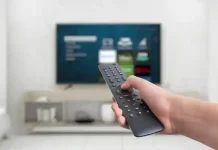
Roku’s lightweight OS boots TVs in seconds, cycling apps without stutter. Zero forced updates interrupt viewing, unlike Google TV’s occasional maintenance windows. Remote designs prioritize essentials—four raised buttons beat gesture-heavy alternatives.
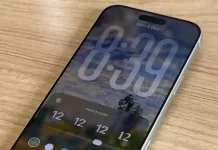
Google TV counters with ambient computing: screensavers display useful info, watchlists sync across devices. Profiles separate family preferences cleanly, preventing kids from accessing mature content accidentally.
Content Ecosystems and Free Options
Roku amasses 500+ live channels, rotating daily lineups for endless variety. Original programming like Weird Al specials adds exclusive flavor. Google TV integrates YouTube deeply but relies more on paid tiers.
Both support all major apps, though Roku edges live sports/events via dedicated tiles. Google excels at trailer previews and cast/crew deep dives.
Hardware Ecosystem Choices
Roku TVs emphasize value—Pro series Mini-LED rivals pricier competitors at half cost. Sticks remain portable upgrades for dumb TVs.
Google TV leverages partner innovation: Sony’s XR processors achieve perfect blacks; TCL’s QD-Mini tech maximizes brightness. Flexibility suits diverse room setups and budgets.
Privacy, Security, and Longevity
Roku minimizes data harvesting but vulnerability patches lag. Google TV’s profile system protects kids effectively, though ad targeting feels invasive. Both receive multi-year support—Roku devices last 5+ years actively.
Who Should Choose Each Platform
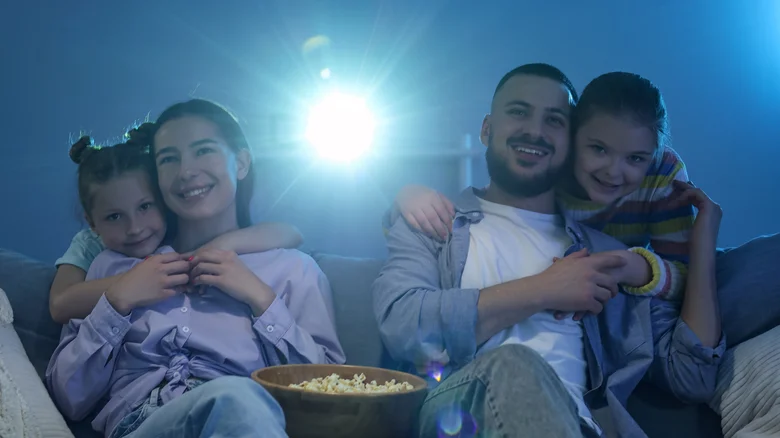
Roku suits families craving simplicity, seniors avoiding tech overwhelm, and cord-cutters maximizing free content. Google TV attracts cinephiles leveraging subscriptions, Google Home owners, and multi-user households needing profiles.
Alternatives Worth Considering
Amazon Fire TV balances ads with Alexa smarts; Apple TV 4K prioritizes 4K Dolby Vision purity for iOS users. Neither matches Roku/Google’s TV penetration.
Making the Right Decision
Test in-store: navigate menus, search content, assess remote feel. Prioritize daily habits—quick app access favors Roku; discovery-driven viewing picks Google TV. Both elevate streaming beyond basic playback, but alignment with lifestyle determines true winner.