

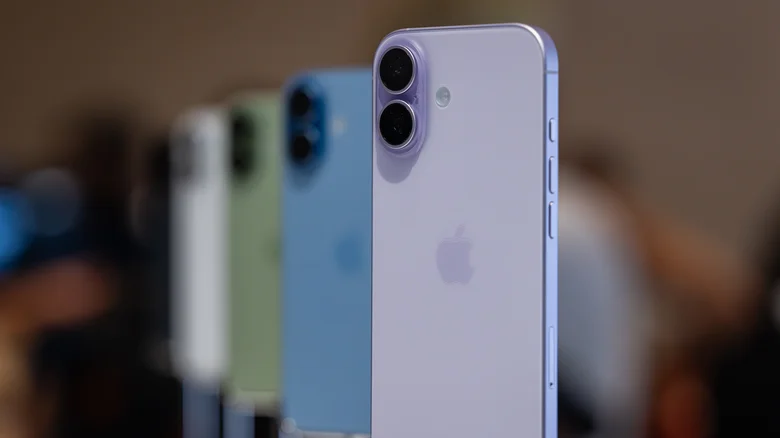
Apple plans to introduce the second-generation iPhone 17e early in 2026, continuing its strategy of offering an affordable entry into the iPhone ecosystem. Initial rumors painted conflicting pictures: a major redesign versus modest refinements to the existing iPhone 16e formula. Recent leaks from Korean outlet The Elec clarify that the device will largely retain the iPhone 14-inspired chassis, prioritizing cost control over premium aesthetics while introducing subtle enhancements like slimmer bezels.
This approach positions the iPhone 17e as a practical choice for budget-conscious consumers seeking iOS reliability without flagship pricing. BOE remains the primary display supplier, ensuring economies of scale that keep retail costs competitive. The device’s single-camera rear setup and compact form factor maintain its no-frills appeal amid Apple’s expanding lineup.
Design Evolution: Slimmer Bezels, No Dynamic Island
Contradicting earlier speculation from My Drivers about adding Dynamic Island—a pill-shaped cutout for interactive notifications—the iPhone 17e sticks with the notch design from iPhone 14. The Elec reports Apple will achieve a sleeker profile through reduced bezels, modernizing appearance without complex manufacturing shifts. This conservative update balances visual refreshment with production simplicity.
The unchanged 60Hz LCD panel underscores the budget positioning, forgoing the Always-On Display and 120Hz ProMotion technology debuting across iPhone 17 models. Analyst Jeff Pu previously noted this entry-level device would carry forward the C1 5G modem from iPhone 16e, skipping the advanced C1X chip found in higher tiers, further containing costs.
Performance Upgrades with A19 Chip
Powering the iPhone 17e is Apple’s latest A19 processor, delivering substantial graphics improvements and enhanced Apple Intelligence features. This chip bridges the performance gap with flagship siblings, enabling smooth multitasking, on-device AI processing, and improved battery efficiency despite the dated display tech. Expect refinements to the 48MP main camera sensor for better low-light capture and detail retention, though multi-lens arrays remain exclusive to pricier models.
MagSafe wireless charging support remains uncertain, potentially limited to basic Qi compatibility to preserve affordability. Storage configurations likely mirror predecessors, starting at 128GB, with color options expanding to include fresh hues that align with iPhone 17 aesthetics without premium materials like titanium.
Strategic Role in Apple’s Portfolio
The iPhone 17e follows Samsung’s “FE” (Fan Edition) playbook, distilling essential features into a value-oriented package. Launch timing in early 2026—post-iPhone 17 cycle—targets upgrade cycles for iPhone 13/14 owners and emerging markets where price sensitivity drives volume. IDC forecasts suggest such models bolster Apple’s shipment records by capturing price-elastic segments.
Uncertain additions like Camera Control button or advanced haptics highlight Apple’s tiered strategy: premium innovation trickles down selectively. For strict budgets, the iPhone 17e offers compelling trade-offs—current-generation silicon, 5G connectivity, and iOS longevity—outpacing many Android midrangers in software support and resale value.
Market Positioning and Buyer Considerations
Prospective buyers weigh the iPhone 17e’s compromises against its strengths. Reliable single-camera performance suits casual photographers, while A19 ensures future-proofing through iOS 20 and beyond. Absent high-refresh displays or foldable experiments, it appeals to traditionalists prioritizing ecosystem integration over cutting-edge specs.
Compared to iPhone 17 and Air variants, the 17e sacrifices versatility for accessibility, potentially retailing under $600. This pricing sustains Apple’s premium brand perception while expanding market share. Early adopters gain a modern iPhone experience at entry-level cost, bridging gap years between major redesigns.