
Televisions represent significant investments, often lasting 7-10 years before requiring replacement to maintain optimal performance and compatibility. While physical failures demand immediate action, subtler indicators like outdated software support or inferior picture quality signal it’s time to upgrade. Recognizing these signs ensures continued enjoyment of modern content without frustrating limitations or repair costs exceeding new TV prices.
Physical Screen or Housing Damage
Modern flat-panel displays prove fragile despite durable plastic casings. Cracks from accidental impacts—whether pet scratches, thrown controllers during gaming sessions, or mishandling during relocation—compromise both aesthetics and functionality. Even minor housing fractures distort alignment and invite further damage.
Screen repairs typically cost more than replacement televisions, especially for larger models. Professional panel swaps rarely justify expense when comparable new units offer superior technology. Proper e-waste disposal followed by immediate replacement prevents safety hazards and wasted time troubleshooting irreparable damage.
Lost Smart TV App Support
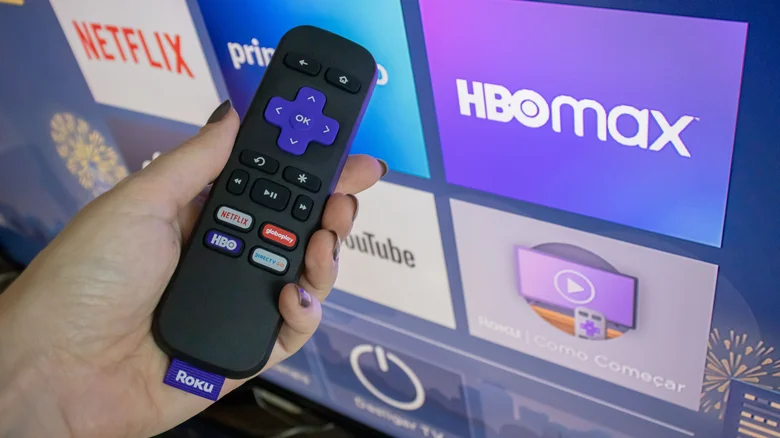
Smart TVs eliminate external streaming devices through built-in apps, but manufacturers eventually discontinue software updates for older models. Without support for major services like Netflix, Disney+, or emerging platforms, the television reverts to basic display functionality.
External streamers provide longer app lifecycles but introduce additional controllers, interfaces, and setup complexity—negating the convenience of native smart TV operation. For users preferring unified remote control and direct app access, investing in a new smart TV from established brands guarantees extended software support and future-proofing.
Failing Backlight LEDs
LED backlights power modern LCD televisions, silently enabling bright, uniform illumination until heat from prolonged high-brightness usage causes degradation. Single LED failures create dark patches or uneven brightness; multiple failures trigger shutdowns or visible banding.
DIY backlight replacement demands specialized tools, disassembly skills, and matched components—often exceeding new budget TV costs. Diminished brightness and contrast signal inevitable cascade failures, making timely replacement preferable to escalating repair expenses and compromised viewing.
Declining Picture and Audio Quality
Initial purchase excitement fades as newer content reveals limitations. Modern productions optimized for High Dynamic Range (HDR), Dolby Vision, or high frame rates appear washed out, lacking detail, or motion-blurred on older panels missing these capabilities. Audio similarly suffers without immersive formats like Dolby Atmos.
Gamers notice input lag and low refresh rates crippling fast-paced titles, while movie enthusiasts miss deep blacks and vibrant colors. Upgrading unlocks cutting-edge display technologies matching contemporary production standards for transformative viewing experiences.
Outdated Ports and Connectivity
Legacy HDMI 2.0 or earlier ports cripple next-generation devices. Gaming consoles like PS5 require HDMI 2.1 for 4K@120Hz, Variable Refresh Rate (VRR), and Auto Low Latency Mode (ALLM)—features unavailable through older connections. Blu-ray players and streaming boxes similarly underperform.
Enhanced Audio Return Channel (eARC) absent from older TVs prevents lossless audio transmission to modern soundbars. USB ports may lack sufficient power delivery for external drives or charging. Incompatible connectivity wastes device potential, compelling upgrades for full feature access.
When to Pull the Plug on Your TV
| Issue | Warning Signs | Upgrade Priority |
|---|---|---|
| Physical Damage | Cracks, scratches, dead spots | Immediate |
| Software Support | Missing apps, no updates | High |
| Backlight Failure | Dark patches, dim screen | High |
| Picture Quality | No HDR, poor motion | Medium |
| Connectivity | Old HDMI, no eARC | Medium |
Multiple warning signs compound frustration, while single critical failures demand action. Regular technology assessments ensure viewing experiences match content evolution, maximizing entertainment value from home theater investments.