
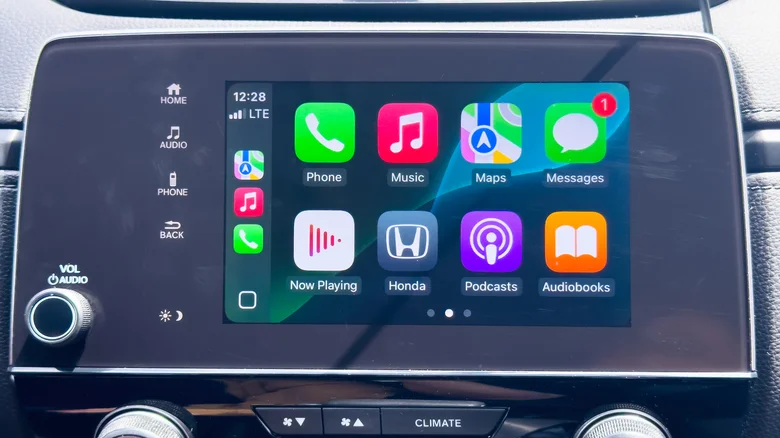
Apple’s CarPlay has evolved from a simple phone-mirroring tool into a sophisticated vehicular interface, deeply integrated into the modern driving experience. The recent launch of iOS 26 brought a refined aesthetic with its Liquid Glass design, smarter notification management, and the debut of CarPlay Ultra—a transformative experience that leverages every screen in a compatible vehicle. Despite these significant advancements, the platform still feels bounded by conservative design choices that prioritize minimalism over versatility. As we look toward the future, a clear set of user-driven desires outlines the path for CarPlay’s next evolution. Drivers are increasingly seeking a system that doesn’t just facilitate navigation and communication but also enriches the time spent within the vehicle, particularly during periods of inactivity. The potential for CarPlay to become a more comprehensive hub for entertainment, information, and personalized control remains largely untapped, pointing to several key areas where Apple could expand its automotive vision in 2026 and beyond.
Unlocking Entertainment with Parked Video Playback
One of the most frequently requested features is the ability to access video streaming applications like Netflix, YouTube, and Disney+ while the vehicle is safely parked. The precedent for this exists prominently in vehicles from Tesla and other manufacturers, where entertainment apps are enabled exclusively when the car is in park, catering to drivers during EV charging sessions, while waiting for passengers, or on extended breaks. This functionality transforms the infotainment display from a purely utilitarian tool into a personal entertainment center, addressing a genuine use case without compromising safety. For Apple, integrating such a feature would align with its ecosystem strategy, providing another seamless touchpoint for its services and third-party apps. It represents a logical expansion of CarPlay’s role, acknowledging that the modern car is not just a vessel for travel but also a space for waiting and leisure.
Expanding Access with Web Browser Support
Similarly, the complete absence of web browser support on CarPlay feels like an artificial limitation in an increasingly connected world. While safety is paramount while driving, a parked car scenario presents a legitimate need for browser access. Whether it’s looking up detailed information about a destination, checking a restaurant menu, or accessing a web-based service not available through a dedicated app, Safari integration would significantly enhance utility. This would not only reduce the need to switch to a handheld phone but also leverage the larger, often superior display of the vehicle’s center console. While Apple has historically been cautious about bringing full browsers to its closed environments, a restricted, parked-only browser mode could offer a powerful tool without introducing driver distraction, fulfilling a practical need for quick information retrieval.
Revolutionizing Interaction with a Conversational Siri
The anticipated overhaul of Siri, expected with iOS 26.4, represents a critical opportunity for CarPlay. The in-car environment is where a truly intelligent, conversational assistant is needed most. Drivers require a hands-free experience that is contextually aware, capable of understanding complex, multi-step requests, and integrated deeply with personal data—such as finding an address mentioned in an email or playing a podcast recommended in a text message. A Siri that can engage in natural dialogue, akin to modern large language models, would transform driver interaction from a series of frustrating, simplistic commands into a fluid and helpful partnership. This upgrade is arguably the most important for safety and convenience, as it would keep the driver’s eyes on the road and hands on the wheel while managing a wider array of tasks intuitively.
Enhancing Downtime with Games and Social Apps
Following the same parked-use paradigm, CarPlay could greatly benefit from supporting select games and social media applications. For passengers, or for drivers during extended stops, access to casual games from Apple Arcade or apps like Instagram and TikTok could make time pass more pleasantly. This would position CarPlay as a more holistic digital cockpit, catering to all occupants and all states of the vehicle—moving or stationary. Such an expansion would also create new engagement opportunities for Apple’s services and foster deeper integration with the iOS ecosystem, making the vehicle a more versatile and enjoyable space.
Democratizing Features from CarPlay Ultra
While CarPlay Ultra showcases an ambitious future of vehicle-wide integration, its exclusive nature and slow rollout to new car models mean most users will be on standard CarPlay for years to come. Apple should actively work to bring refined elements of the Ultra experience to the mainstream platform. This could include more sophisticated and customizable themes, akin to Apple Watch faces, allowing users to personalize their dashboard’s aesthetics. Enhanced widget support, already partially trickling down, should be fully realized, providing at-a-glance information for music, weather, and navigation. Furthermore, expanding the API to allow for deeper, read-only integration with vehicle systems—such as tire pressure, trip efficiency, or audio system controls—would add meaningful functionality without requiring a full Ultra overhaul.
The roadmap for CarPlay is one of balancing innovation with responsibility. By adopting a clear model that distinguishes between driving and parked modes, Apple can safely unlock a new dimension of functionality. Focusing on a smarter Siri, parked entertainment, practical browser access, and thoughtful feature diffusion from its premium Ultra tier would address the most vocal user desires. These steps would solidify CarPlay not just as the best phone-to-car interface, but as the intelligent, adaptable, and enjoyable digital heart of the modern vehicle experience.