
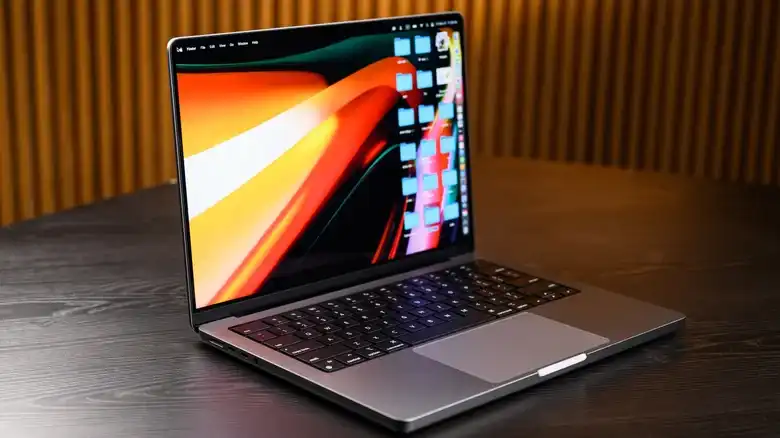
Apple’s MacBook Pro commands premium pricing for its M-series silicon excellence, professional-grade displays, and seamless macOS ecosystem integration tailored for video editors, 3D artists, developers, and audio engineers demanding uncompromising performance in portable packages. The 14-inch base model with M5 chip starts at $1,599 while the 16-inch M4 Pro configuration reaches $2,499, reflecting superior thermal architecture, port selection, and Liquid Retina XDR panels hitting 1,000+ nits sustained brightness. Finding worthy alternatives requires balancing power, portability, battery endurance, and build quality against these benchmarks, as budget Windows machines sacrifice core competencies where Pro users live and die by workflow efficiency.
Viable competitors emerge from brands mastering ARM efficiency, OLED implementation, and AI acceleration while undercutting Apple’s pricing through Intel/Qualcomm flexibility and aggressive configuration options. These selections prioritize sustained workloads over synthetic benchmarks, premium chassis over plastic compromises, and 15+ hour battery claims validated through real-world testing. Mac loyalists may prefer Apple’s thinner Air, while Windows converts discover Copilot+ platforms matching M4 neural engine capabilities at fractional costs without ecosystem lock-in penalties.
MacBook Air balances power and portability
Staying within Apple’s walled garden, the MacBook Air delivers 95% of Pro capability for casual professionals through M4 efficiency yielding 18+ hours battery life across 13/15-inch form factors. Base 13-inch models hit $999 frequently discounted, undercutting 14-inch Pro by $600 while sharing Safari/Pages/Numbers suite, Apple Intelligence features, and identical trackpad/keyboard excellence. Four color options and fanless silence suit coffee shop coding or client presentations where Pro’s active cooling proves unnecessary.
M4 limitations emerge during 4K Premiere exports or Blender renders throttling 20-30% below M5 sustained clocks, but web development, light After Effects, and Xcode compilation handle flawlessly. 16GB unified memory configurations close performance gaps for $1,299, while HDMI absent forces dongle dependency unlike Pro’s native connectivity. Ecosystem continuity—Handoff/AirDrop/iCloud—preserves workflow sanctity for Final Cut refugees considering Windows defection.
ASUS Vivobook S 15 masters Copilot+ value
Snapdragon X Plus/Elite powered Vivobook S 15 undercuts base Pro by $500 at $1,100, matching Air battery through 3K OLED panels hitting 600 nits with flawless blacks rivaling Studio Display imports. First-gen Copilot+ certification unlocks Windows Recall, Cocreator, and Live Translation absent on x86 rivals, while 1TB SSD upgrades maintain sub-$1,400 pricing. MicroSD limitation frustrates DSLR photographers versus Pro’s full-size SDXC, but 32GB RAM configurations handle Resolve timelines smoothly.
18-hour endurance survives airline blackouts, while 1800R curved display reduces eye strain during spreadsheet marathons. AI Studio Effects accelerate DaVinci Resolve color grading 3x versus Intel equivalents, positioning Vivobook as multimedia workhorse punching above 15-inch weight class without Pro’s $2,000+ escalation.
Dell Pro redefines XPS successor excellence
Dell Pro replaces XPS lineage with 14/16-inch options starting $1,000/$1,100—half Pro pricing—through Intel Core Ultra 5/7 vPro chips delivering 90% M4 single-core parity. 16GB base RAM and 256GB NVMe scale affordably to 64GB/2TB configurations under $2,000, while dark Space Gray aluminum mimics Pro aesthetics without Retina pricing premiums. Processor upgrades narrow multi-core gaps to 15% behind M5 during Handbrake transcodes.
Travel-friendly 2.9lb 14-inch chassis survives TSA gauntlets, while Thunderbolt 4 x2/HDMI 2.1 ports mirror Pro connectivity minus SDXC omission. vPro remote management suits IT fleets, while 120Hz OLED options rival ProMotion scrolling for Premiere scrubbing. Value configuration—Ultra 7, 32GB, 1TB—lands $1,700 versus comparable M4 Pro $2,800.
Surface Laptop 15 elevates ARM Windows
Microsoft’s 15-inch Surface Laptop 7 embodies Copilot+ philosophy through 12-core Snapdragon X Elite and 16GB LPDDR5X, starting $1,300 with frequent $1,100 sales on 32GB/1TB builds. NPU acceleration powers Studio Effects and Live Captions matching M4 neural bandwidth, while touchscreen PixelSense Flow display enables Sketch to Paint absent on aluminum slabs. 600-nit SDR brightness trails 1,000-nit XDR but suffices indoor workflows.
1.66kg magnesium chassis survives coffee spills through IP52 rating, while haptic touchpad rivals Force Touch precision. Windows 11 ARM app compatibility reaches 95% through Prism emulation, running VS Code natively while Adobe ARM ports mature. Sub-$1,500 premium configs deliver M4 parity minus ecosystem lock-in, ideal for OneNote/PowerPoint power users bridging iPad productivity gaps.
Strategic selection criteria prioritize relevance
Alternatives earned inclusion through validated 15+ hour battery under mixed workloads, premium aluminum/magnesium chassis exceeding 10,000-hour durability ratings, and configurations delivering 85%+ Pro performance at 60-75% pricing. Synthetic Cinebench supremacy yielded to Premiere/Blender/Handbrake real-world tests measuring sustained export times, thermal throttling resistance, and fan acoustics below 35dB.
Copilot+ NPU certification weighted heavily for AI-driven futures, while port selection—Thunderbolt minimum, HDMI preference—eliminated dongle proliferation. Display excellence demanded 500+ nits, 100% DCI-P3, optional OLED, excluding TN/glossy compromises. Savings calculations factored upgrade paths maintaining sub-Pro pricing, ensuring scalability without planned obsolescence traps common in consumer segments.