

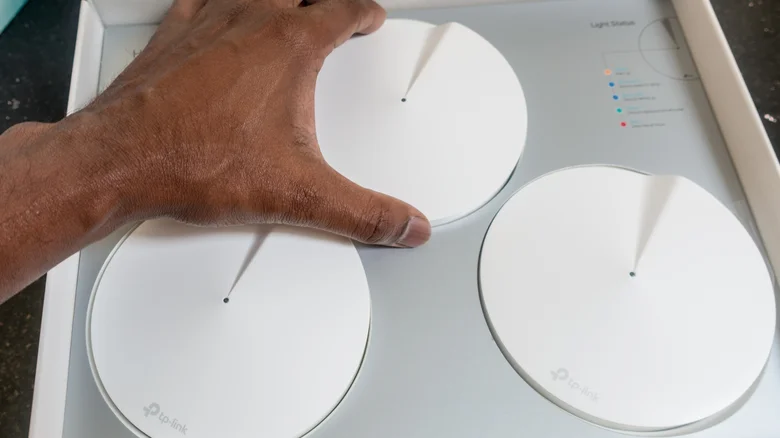
Upgrading your internet setup is no longer just about speed — it’s about consistency, coverage, and convenience. Whether you’re installing a new internet connection or replacing an outdated router, the decision often comes down to two main options: a traditional router or a mesh Wi-Fi system. While both deliver internet access, they differ significantly in how they distribute connectivity throughout your home. Understanding these differences will help you choose the right solution that matches your space, devices, and performance needs.
Traditional Router vs. Mesh Wi-Fi — The Core Difference
A regular Wi-Fi router works as a single point of wireless transmission. All your devices connect to this central hub, which can limit performance in larger homes or spaces with multiple walls and floors. By contrast, a **mesh Wi-Fi system** uses multiple nodes spread across the house to create a blanket of strong wireless signals. These nodes communicate seamlessly with each other, eliminating dead zones and maintaining stable connectivity everywhere.
Mesh systems excel in versatility, coverage, and reliability, making them ideal for modern households filled with smart gadgets and streaming devices. If you often face connectivity drop-offs or have areas where signals barely reach, a mesh network could completely transform your home’s internet experience.
Scalability That Adapts to You
One of the biggest selling points of a mesh Wi-Fi system is its effortless scalability. Traditional routers require complicated setups or external range extenders when you want to expand coverage. In contrast, mesh systems make this process simple and modular.
You can start with a basic two-node setup and expand later as your needs change. For example:
– Add another node when you need coverage in new areas like your backyard, garage, or attic.
– Expand easily after moving to a larger home by pairing additional devices.
– Reposition existing nodes if your home layout or furniture changes.
Most mesh systems come with a companion mobile app to manage your network. Using it, you can add or remove nodes, check signal strength, and update firmware with just a few taps. There’s no need for complex configurations or manual IP adjustments.
Superior and Reliable Wi-Fi Coverage
Coverage consistency is where mesh systems truly shine. A single router can struggle to push stable Wi-Fi signals through walls and multiple floors, leading to weak spots. A mesh setup, however, uses multiple access points positioned throughout your property to ensure uniform coverage.
By employing technologies like **wired backhaul**, mesh nodes maintain stable, high-speed connections with minimal signal drops. Even in wireless-only setups, mesh networks offer smooth and reliable connections across all zones. As you move around your home, your device automatically switches to the node with the strongest signal, ensuring a seamless browsing or streaming experience without disconnects.
This self-healing architecture also improves reliability. If one node fails or becomes temporarily unreachable, others reroute traffic automatically, maintaining uninterrupted access across the mesh network.
Designed for Device-Dense Homes
Today’s average household juggles dozens of Wi-Fi-connected devices — phones, laptops, tablets, TVs, consoles, and smart home appliances. Traditional routers often get overloaded under such demand, causing slowdowns and disconnections. A mesh network distributes this load intelligently.
Different nodes handle traffic from nearby devices, balancing performance across the system. As a result, no single access point becomes overwhelmed. Whether your kids are streaming in their room, someone’s gaming in the basement, or others are on a video call — everyone stays connected with minimal latency drops.
Modern mesh Wi-Fi systems support cutting-edge technologies like:
– **MU-MIMO (Multi-User, Multiple Input, Multiple Output):** Supports simultaneous data streams for multiple devices.
– **OFDMA (Orthogonal Frequency Division Multiple Access):** Divides bandwidth efficiently to increase total network capacity.
– **Beamforming:** Directs wireless signals toward connected devices for stronger, more stable connections.
While top-tier standalone routers also include these features, a mesh system extends them across multiple nodes for whole-home optimization.
When Should You Choose Mesh Over a Regular Router?
Choosing between a standalone router and a mesh system depends on your space, performance expectations, and usage pattern. Mesh systems are generally recommended if:
– Your home exceeds 1,500 square feet or spans multiple floors.
– You frequently experience Wi-Fi dead spots in distant rooms or outdoor areas.
– You own numerous smart devices connected simultaneously.
– You want easy scalability and simplified network management.
However, if you live in a smaller apartment or have fewer devices, a high-performance traditional router can still meet your needs efficiently.
Final Thoughts
In an era when every gadget in the home relies on connectivity — from smart speakers to door cameras — a stable Wi-Fi network is essential. A **mesh Wi-Fi system** offers consistent, flexible, and powerful performance for homes that demand more than a single router can offer. The ability to scale, self-heal, and distribute load makes mesh systems the future of reliable home networking. For many households, investing in one is not just an upgrade — it’s a leap toward a smarter and smoother connected experience.